
Review · PUFFIN TOURS
Beluga and Puffin Sanctuary Visitor Centre with Aquarium
Whales watch back. This short visit combines the world’s first beluga whale sanctuary with a native-species aquarium and a puffin hospital, making it one of Vik’s more unusual animal experiences. I like the close viewing of the belugas and the chance to see puffins being cared for, though ferry cancellations caused by wind and bad weather can disrupt carefully planned schedules.
The visit lasts about 40 minutes, so it fits neatly into a day around Vik. I also like that admission supports animal care rather than offering only a quick photo stop. The main caution is practical: if the crossing is canceled, a same-day replacement may not work for you, especially if you are heading back to Reykjavik or flying home.
In This Review
- Key points to know before you go
- Why this sanctuary is worth your time in Vik
- The beluga sanctuary and its winter viewing
- Puffins, feeding time, and the hospital
- A small aquarium with a local focus
- What the 40-minute visit feels like
- Weather and ferry risk around Vik
- Value, admission, and what you are really paying for
- Who should book the sanctuary
- Final verdict: book it with a flexible schedule
- FAQ
- How long does the Beluga and Puffin Sanctuary visit last?
- What can I see at the sanctuary?
- Are the belugas always in the observation tank?
- What are the opening hours?
- What happens if bad weather cancels the experience?
- Can I cancel for a full refund?
Key points to know before you go
- Beluga viewing changes by season: The whales spend summer in a protected bay and may be brought into an observation tank during colder weather.
- Puffins are part of the visit: You can see puffins in the aquarium and learn about the work done in the puffin hospital.
- The aquarium focuses on Iceland: Native marine species help place the sanctuary within the ecology of Iceland and the Westman Islands.
- The visit is short but focused: Plan on roughly 40 minutes, with admission included in the booked experience.
- Weather affects access: High winds and poor conditions can cancel the ferry crossing to the island.
- Cancellation protection has a strict deadline: Cancel at least 24 hours before the start time for a full refund.
Why this sanctuary is worth your time in Vik
Vik is best known for black-sand beaches, sea cliffs, and dramatic weather. The Beluga Whale Sanctuary offers a different kind of stop. Instead of looking out at Iceland’s coast, you get a closer look at animals connected to the surrounding waters and islands.
I like the idea behind the visit. The belugas are not presented simply as performers in a standard show. The sanctuary gives them a protected home, and the visitor centre explains why they are there. You also see the work involved in caring for puffins and maintaining a small aquarium of native species.
That makes the experience more meaningful than a quick aquarium walk-through. You are still watching animals, but you are also learning about rescue, protection, and the particular sea life found around Iceland.
The attraction is especially useful if the weather is too rough for a longer outdoor outing. Iceland can change quickly, and a compact indoor visit gives you a reliable activity when wind, rain, or cold makes beaches and viewpoints less pleasant.
Still, you should set your expectations correctly. This is not a full-day animal park, and the advertised visit lasts about 40 minutes. If you prefer large aquariums with many galleries, feeding shows, or long guided tours, you may find the experience brief.
More Puffin Tours in Vik:
- Reykjavik: Puffin Watching Boat Tour
★ 4.6 · 1,052 reviews - Húsavík: Big Whales and Puffin Island Speedboat Tour
★ 4.8 · 979 reviews - Húsavík: Original Big Whale Safari & Puffins by Speedboat
★ 4.8 · 973 reviews
The beluga sanctuary and its winter viewing
The belugas are the main reason most people choose this visit. The sanctuary is described as the world’s first beluga whale sanctuary, and that distinction gives the stop a clear purpose beyond entertainment.
The whales spend the summer in a protected bay. During the colder part of the year, they may be brought into an observation tank for added protection. That seasonal arrangement matters because your viewing experience can differ depending on when you arrive.
In winter, you may see the belugas through a viewing window. One of the most appealing details is that the whales can notice people on the other side of the glass. They may swim toward the window, spin, jump, or make squeaking sounds. That kind of response can turn a simple viewing session into a memorable exchange.
I would not treat those behaviors as guaranteed. Animals choose what they want to do, and the whales may be resting or out of sight. The value is in having a respectful chance to observe them rather than expecting a staged performance.
The observation tank also helps you see the whales more clearly than you might in a wide bay. You can focus on their size, movement, and interaction without needing binoculars or a boat tour. For families, this direct view can be easier than a long wildlife excursion where sightings depend on luck.
At the same time, the indoor tank is not the same as seeing belugas in open water. If you are visiting in summer, the whales may be in the protected bay instead, and your view could be less direct. Check current conditions before arrival if seeing the belugas is the chief reason for your booking.
Puffins, feeding time, and the hospital
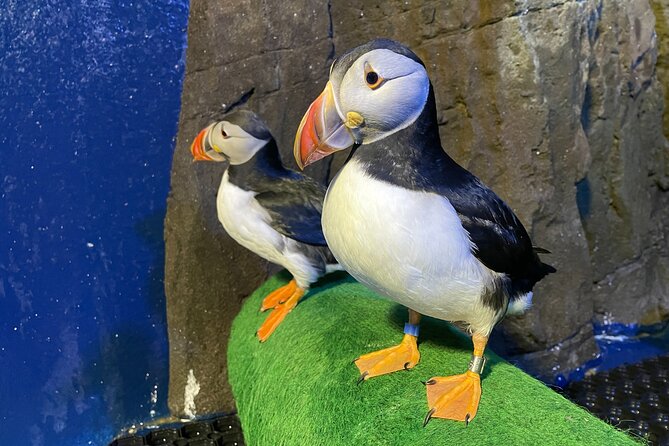
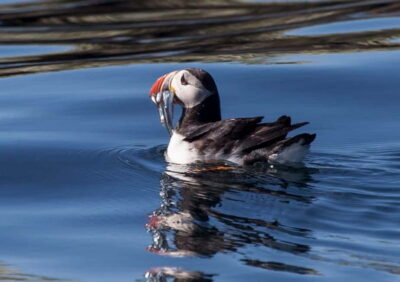
The puffin section adds warmth and personality to the visit. These small seabirds are easy to enjoy, but the hospital gives you a reminder that Iceland’s puffin population needs active care and protection.
You may see puffins moving around their tank and being fed. That feeding moment is one of the most engaging parts of the visit, particularly for children. Puffins are quick, expressive birds, and watching them dart about gives the aquarium a lively focal point.
The centre also explains the work being done to protect the island’s puffins through its hospital. The available information does not promise that every visit will include a particular injured bird or a detailed medical demonstration, so I would think of the hospital as an important part of the centre’s mission rather than a guaranteed show.
That distinction matters. You are visiting a working conservation setting, not a theatre with scheduled animal tricks. The animals may behave differently from one visit to the next, and some may need quiet or treatment.
I like this part of the experience because it connects the cute factor with responsibility. Puffins are easy to photograph and enjoy, but the hospital shows that wildlife care involves more than watching birds on a cliff. It also gives the visit a strong local connection, since puffins are closely linked with the islands around Iceland.
If your main goal is to see puffins flying freely over the sea, this aquarium cannot replace a coastal wildlife outing. It does offer a more dependable close look, along with a clearer view of the challenges faced by birds under human care.
A small aquarium with a local focus
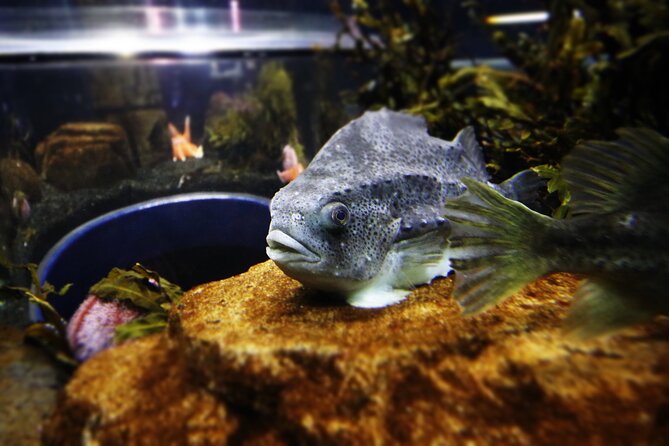
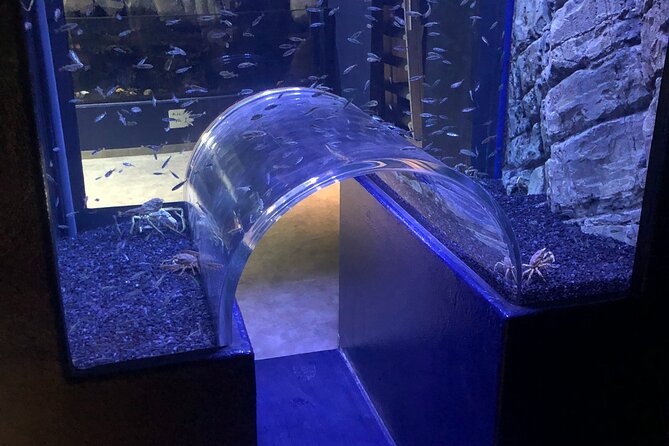
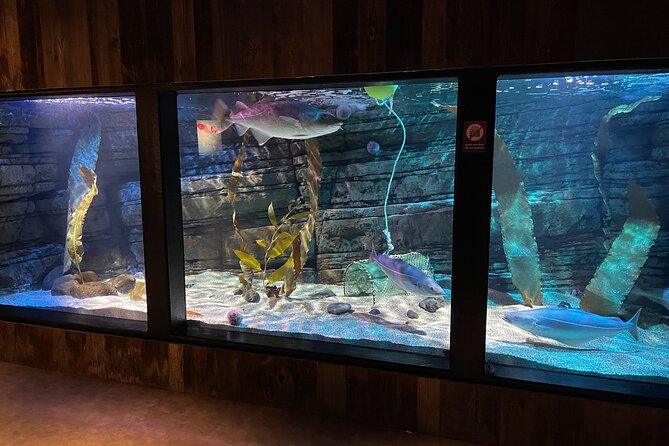
The native-species aquarium is not described as a huge collection, and that is useful to understand before you arrive. Its strength is the local subject. You get an introduction to sea life connected with Iceland and the Westman Islands rather than a broad survey of tropical or worldwide species.
I prefer that focused approach for a short visit. It gives the belugas and puffins a setting, helping you understand the waters and islands that support them. You are not simply moving from one unrelated tank to another.
The aquarium and terrarium can also make the stop more appealing for anyone who wants a quick overview of Icelandic wildlife. The displays give you another reason to visit even if the belugas are outside in the bay or not visible at the observation tank.
The tradeoff is scale. With only about 40 minutes allocated to the experience, you should not expect a major aquarium complex. If you have already spent time at several large aquariums, this may feel modest. If you want a local, compact, conservation-focused stop, the size is less of a problem.
I would allow enough time to read the displays instead of rushing from window to window. The educational side is part of the value. You are paying for access to an animal sanctuary and its care work, not just for the number of tanks.
Now for something with a completely different feel:
- Reykjavik: Jokulsarlon Glacier Lagoon Full-Day Guided Trip
★ 4.7 · 3,302 reviews - South Coast Classic: Full-Day Tour from Reykjavik
★ 4.6 · 2,457 reviews - From Vik: Katla Ice Cave and Super Jeep Tour
★ 4.6 · 2,110 reviews - Skaftafell: Ice Cave Tour and Glacier Hike
★ 4.5 · 1,746 reviews
What the 40-minute visit feels like
The planned duration is short enough to fit between other stops in Vik, but long enough for a focused look at the centre. You can expect the visit to move through the visitor centre, the native-species aquarium, the beluga viewing area, and the puffin hospital displays.
The exact order may vary, and animal visibility will depend on the season and conditions. That flexibility is normal for a sanctuary. The key points are the animals, the explanations about why the belugas are there, and the protection work involving puffins.
For me, the best use of the time would be to avoid treating it as a rushed photo stop. Watch the belugas for a few minutes, look closely at the puffins during feeding if that is taking place, then give yourself time to read about the local species.
The experience suits families because it is short and visually engaging. It also suits adults who want a conservation stop without committing to a long excursion. Anyone with limited time around Vik can consider it as a compact addition rather than a full central activity.
You should be aware that the ferry connection is part of the practical equation. Although the booked visit is only 40 minutes, getting there and returning can take more time, and bad weather may affect the crossing. Leave room in your schedule instead of placing this immediately before a flight.
Weather and ferry risk around Vik
Icelandic weather is not a minor detail here. High winds and poor conditions have caused ferry cancellations, and that can prevent you from reaching the sanctuary.
If the ferry is canceled because of bad weather, the operator offers either a different date or a full refund. That is fair in principle, but it may not solve your problem if you are leaving the area that day. A rescheduled visit is useful only when your itinerary has enough flexibility.
This is where I would be cautious with timing. If you are staying several nights in the area, a weather cancellation may be manageable. If you are driving from Vik to Reykjavik and flying home the next day, you may have no practical chance to use a new date.
You should check the weather and ferry status before setting out, but remember that conditions can change after you make your plans. Keep the sanctuary separate from any fixed transport connection. A visit earlier in your stay gives you a better chance of using a replacement date if conditions interfere.
The weather policy offers some financial protection, but it does not remove the time risk. That is the most important planning point for this experience.
Value, admission, and what you are really paying for
No ticket price is provided here, so I cannot judge the exact cost against other attractions. I can still explain how to assess the value.
Admission includes the visitor centre, beluga sanctuary, native-species aquarium, and puffin hospital. That is a reasonable package for a short stop if you care about conservation and want close animal viewing. The value is stronger when you take time to read the displays and understand the sanctuary’s purpose.
The value is weaker if you are buying the ticket only for a guaranteed beluga encounter. Seasonal arrangements mean the whales may be in the bay rather than the observation tank, and animals do not follow a fixed script.
I would also count the weather risk when comparing this with other activities. A canceled crossing can disrupt your plans even when a refund is available. If you have a flexible schedule, that risk is easier to accept. If every hour of your Iceland trip is fixed, the experience requires more caution.
The centre also provides a way to support animal care while enjoying a local attraction. That may matter to you more than the size of the aquarium. For families, the combination of whales, puffins, and native sea life gives the visit several points of interest in one compact stop.
Who should book the sanctuary
I would recommend this experience to families, animal lovers, and anyone who wants a short indoor activity near Vik. It is particularly suitable if you value rescue and conservation work, not just entertainment.
It also fits people with a packed Iceland itinerary. Forty minutes is manageable, provided you allow extra time for transport and possible ferry delays.
You may want to skip it if you strongly prefer animals in the wild, dislike enclosed viewing areas, or want a large aquarium with many exhibits. It may also be a poor fit if you are leaving the area immediately and cannot tolerate the possibility of a weather-related cancellation.
Service animals are allowed, and the centre is near public transportation. Most people can participate, which makes it a practical choice for a broad range of visitors. Still, weather and ferry conditions remain the main limitation.
Final verdict: book it with a flexible schedule
I would book the Beluga and Puffin Sanctuary if I had room in my Vik itinerary and wanted a meaningful wildlife stop. The belugas can provide a rare and surprisingly personal viewing moment, while the puffin feeding area, hospital, and Icelandic aquarium give the visit more purpose than a simple animal display.
The decision comes down to timing. Book it when you can handle a possible weather delay, and aim for a date at least 24 hours before any important flight or fixed departure. If you have no flexibility, the ferry risk may outweigh the short visit.
Cancel at least 24 hours before the scheduled start for a full refund. Changes made within 24 hours are not accepted, and cancellations within that period are not refunded. For poor weather cancellations, you receive the choice of another date or a full refund.
FAQ
How long does the Beluga and Puffin Sanctuary visit last?
The experience lasts approximately 40 minutes.
What can I see at the sanctuary?
You can visit the beluga whale sanctuary, see the native-species aquarium, and learn about the work being done in the puffin hospital. Puffins may also be seen in their tank during feeding.
Are the belugas always in the observation tank?
No. The belugas spend the summer in a protected bay and may be brought into the observation tank during colder periods for greater protection.
What are the opening hours?
The centre is open Monday through Sunday from 10:00 AM to 4:00 PM for the stated operating period, January 5, 2023 through March 22, 2027.
What happens if bad weather cancels the experience?
If poor weather causes the experience to be canceled, you can receive a different date or a full refund.
Can I cancel for a full refund?
Yes. You must cancel at least 24 hours before the experience start time. Cancellations or changes made less than 24 hours before the start time are not accepted, and the amount paid is not refunded.
Added around Vik recently
- Volcano Movie – Experience the Latest Eruptions in Iceland★ 3.6 · 3 reviews
- Vik: Guided Sólheimajökull Glacier Hike★ 4.7 · 233 reviews
- Private Tour to þórsmörk glaciers and waterfalls★ 5.0 · 2 reviews
- Thorsmork Hike Day Tour★ 5.0 · 79 reviews
- Private Day Trip in Landmannalaugar South Region area on a 4×4 truck★ 5.0 · 7 reviews
- Tandem Paragliding Flights from Vik★ 5.0 · 63 reviews
- Thorsmork by Super Jeep with Optional Hike★ 5.0 · 74 reviews
- Þórsmörk Buggy Adventure Tour in Southern Iceland★ 5.0 · 4 reviews
Puffin Tours, compared.

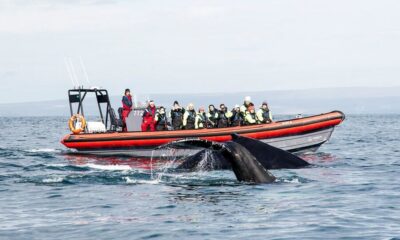
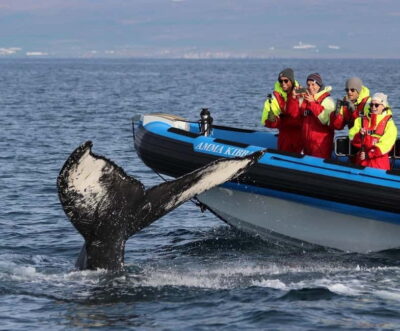
Original Big Whale Safari & Puffins by Speedboat
Read our review →
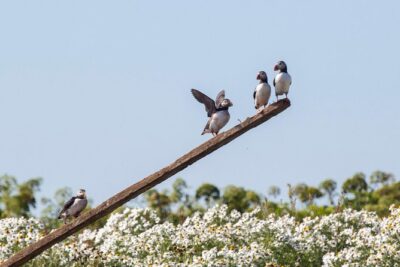
Puffin Cruise with Expert Tour Guide from Reykjavik
Read our review →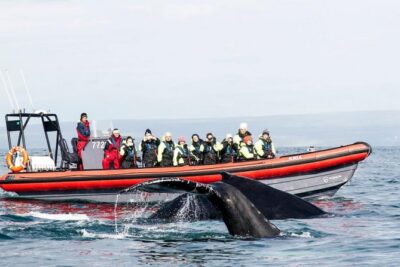
Big Whales & Puffins RIB boat tour from Húsavík
Read our review →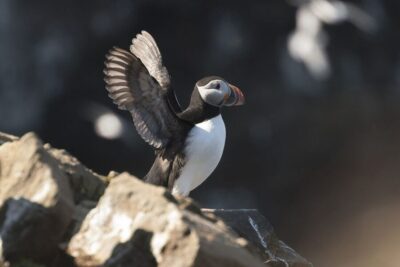
Browse the lists this tour appears in