
Review · HORSE RIDING TOURS
Reykjavík: Horse Riding Tours
Iceland looks different from the saddle. I like the small groups of up to eight and the careful horse matching, especially for first-time riders. I also like that Begga and Sveinn teach you how Icelandic horses move, rather than simply leading you around at a walk. The main drawback is the price: at $200 per person for two hours, this is a special splurge, and about half of that time is spent preparing and riding.
This is a friendly, practical introduction to Icelandic horses just 10 minutes from Reykjavík. You ride for about 1 to 1.5 hours through volcanic country shaped by glaciers and eruptions. Rain clothes, overalls, gloves, and shoes are supplied, but the weather can still be wet, cold, and muddy, so come ready for Iceland to behave like Iceland.
In This Review
- Key things to know before you book
- Why this short ride feels distinctly Icelandic
- Arriving at the stables near Reykjavík
- The first 10 minutes teach you how to ride
- Meeting your Icelandic horse
- Riding through volcanic country for 1 to 1.5 hours
- The tölt is the feature you will remember
- Friendly guides who keep the mood relaxed
- What the weather can change
- Is $200 a fair price?
- Who should book this ride?
- Practical details that make the day easier
- FAQ
- How long does the Reykjavík horse riding tour last?
- How far are the stables from Reykjavík?
- What riding equipment is included?
- Is the tour suitable for beginners?
- What is the tölt?
- What is the minimum age?
- What language is the tour conducted in?
- What happens if the weather is unsafe?
- Should you book this Icelandic horse tour?
Key things to know before you book
- The ride begins with a short riding lesson: You learn the basics of handling and communicating with your horse before heading out.
- Icelandic horses have a special gait: The tölt is a smooth, distinctive four-beat movement and one of the tour’s main pleasures.
- Horse matching is taken seriously: Staff pair each rider with a horse suited to their experience and comfort level.
- The setting is close to Reykjavík: The stables are roughly a 10-minute drive from the capital, making this easy to fit into a busy day.
- Beginners are welcome, but safety matters: The tour has a minimum age of 12, and riding always carries some risk.
- Weather can change the plan: High winds or poor conditions may lead the operator to cancel or reschedule.
Why this short ride feels distinctly Icelandic
Many horseback tours give you a quiet horse, a helmet, and a slow line through the countryside. This one aims to teach you something along the way. The Icelandic horse is not simply transport here. You learn why the breed is special, how to ride it, and how to feel the difference in its movement.
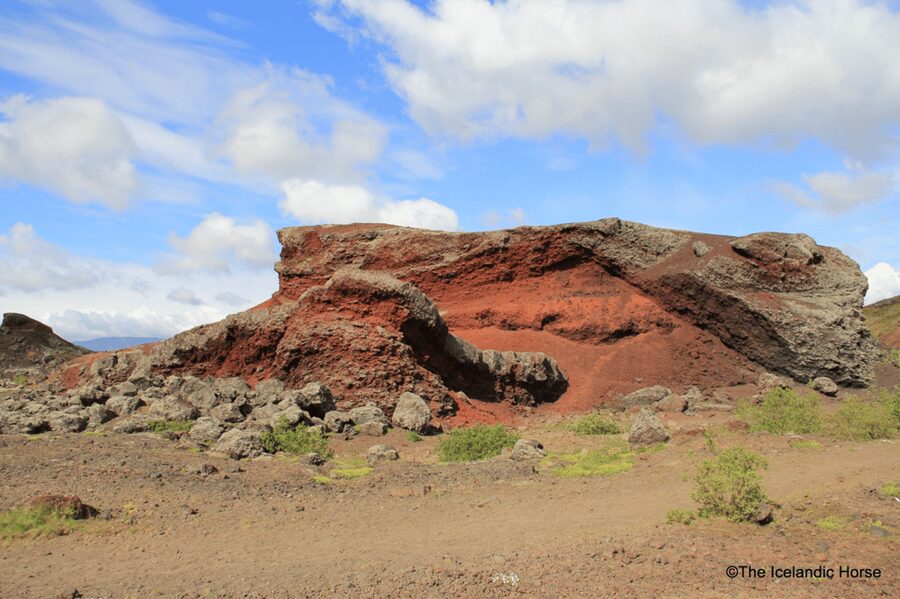
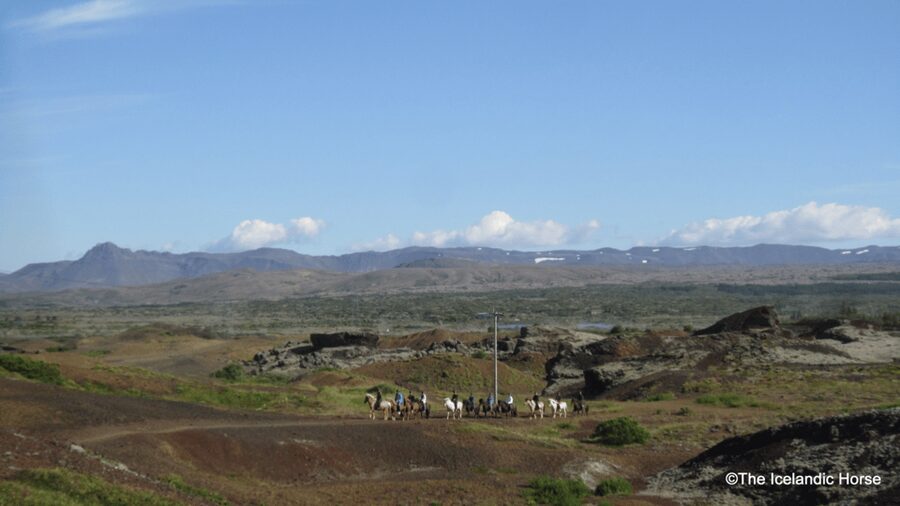
The setting adds plenty. Around Reykjavík, volcanic ground rises into colorful mountain country, with broad stretches of open wilderness and rock shaped by fire and ice. You are not riding through a manicured European park. The scenery feels raw, spacious, and exposed, which is part of the appeal.
The ride is also a good match for a short Reykjavík stay. You do not need to lose an entire day to reach the stables. The short transfer lets you combine the tour with another city activity, though you should allow extra time around the stated two-hour duration if you have a tightly packed schedule.
At $200, this is not a budget activity. Still, the price includes an English-speaking Icelandic guide, riding equipment, protective clothing, and a small group. For someone who specifically wants to ride an Icelandic horse and learn about the breed, that makes the cost easier to justify. If you simply want to see Icelandic scenery, cheaper sightseeing choices are available.
More Horse Riding Tours in Reykjavik:
- Reykjavik: Red Lava Horse Riding Tour
★ 4.8 · 2,383 reviews - From Reykjavík: Icelandic Horse Riding Tour in Lava Fields
★ 4.7 · 1,356 reviews - Icelandic Horseback Riding Tour with Pickup Option from Reykjavik
★ 5.0 · 1,145 reviews
Arriving at the stables near Reykjavík
The meeting point is practical but not fancy. You arrive at a parking area with many horse trailers and a boom barrier at the entrance. Wait there until the gate is opened.
That detail matters because it prevents a common first-arrival worry: you do not need to guess which stable entrance to use. Look for the parking area and horse trailers, then wait at the barrier. The stables are only about 10 minutes from Reykjavík, so this is one of the easier riding experiences to add without arranging a long transfer.
Once inside, the staff get you ready for the ride. You receive riding gear, rain clothing, overalls, gloves, and shoes. Icelandic weather can change quickly, and having outer clothing supplied is useful, particularly for visitors who did not pack riding gear.
You should still dress sensibly underneath. Wear comfortable layers and expect mud or rain. The supplied clothing helps protect you, but it does not turn an outdoor activity into an indoor one.
The first 10 minutes teach you how to ride
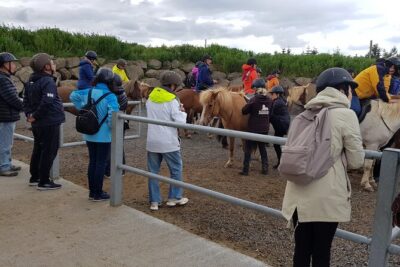
The opening briefing is one of the tour’s strongest features. Before you meet your horse, the guide explains basic handling and riding technique. This is especially helpful if you have never ridden, or if your last ride was many years ago.
Begga has been praised for making these instructions clear, lively, and easy to follow. She explains how Icelandic horses differ from other horses and gives you a foundation for communicating with your mount. The teaching is not just a list of safety rules. It helps you understand what your hands, legs, and posture are doing.
The guides also take time to answer questions. You might ask about the horses, the country, the area, or the special gait you will try later. That extra context gives the outing more substance than a simple horse trek.
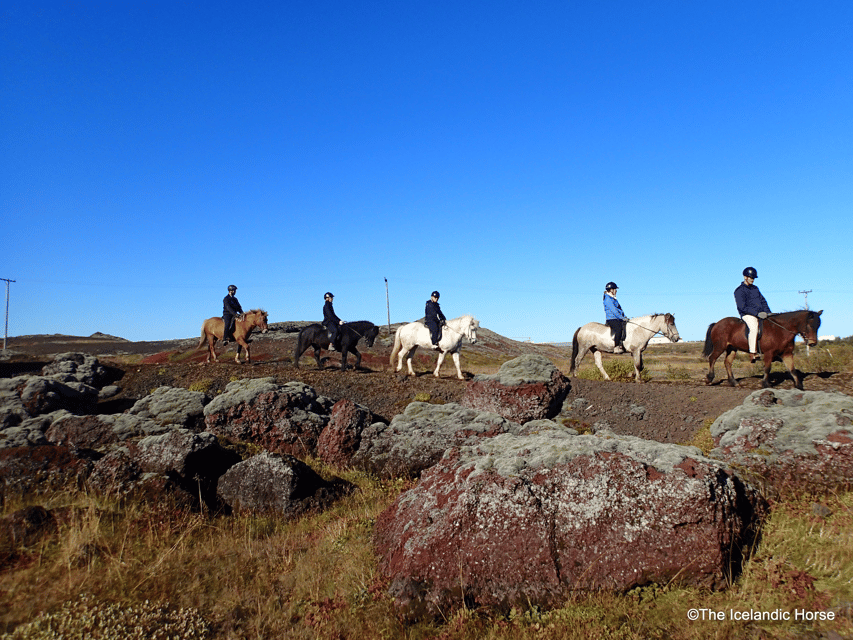
The small group limit helps here. With no more than eight people, the guide can watch how everyone is doing and offer riding tips along the way. Several riders with little or no experience have found the pairing and instruction reassuring. Experienced riders are not ignored either, since the guides can offer advice on improving your position and communication.
Meeting your Icelandic horse
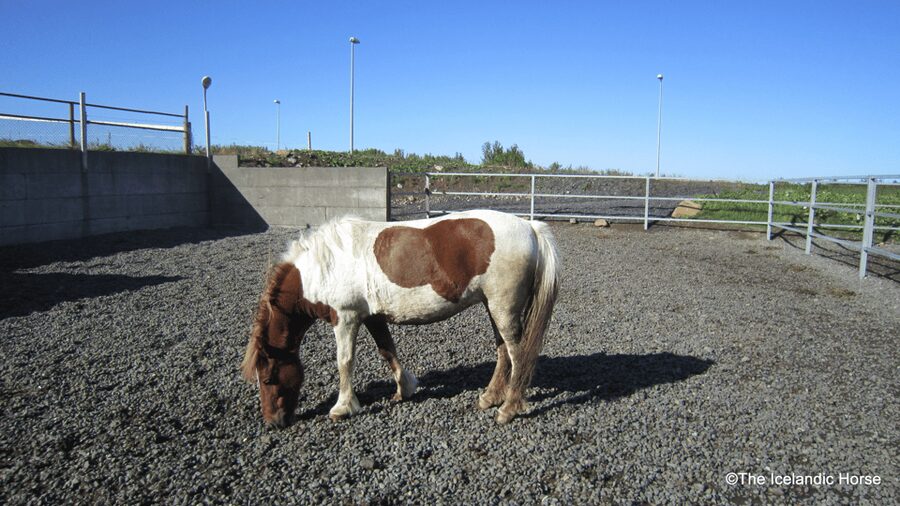
The staff assign horses according to each person’s riding level. That is an important safety and comfort step. A nervous beginner needs a steady, forgiving horse, while an experienced rider may be more comfortable with a horse that responds to clearer instructions.
The horses are described as calm, friendly, well trained, and well cared for. That does not mean they are machines. They are still animals, and their behavior can change if they are startled. One rider reported being bucked off after a horse reacted to a loud passing vehicle, a useful reminder that horseback riding is never risk-free.
The operator specifically warns against sudden noises, screaming, waving, and sharp movements while mounted. You should remain calm, listen to the guide, and tell the staff about any illness or health concern before riding. Staff evaluate each situation, and helmets should be used to reduce risk.
The horse introduction is part of the pleasure. You get a chance to meet the animal you will ride and begin building trust before heading into the open country. For many people, that connection is as memorable as the scenery.
Worth a second look around Reykjavik
- Reykjavik: Golden Circle Full-Day Tour with Kerid Crater
★ 4.8 · 24,485 reviews - Reykjavik Food Walk – Local Foodie Adventure in Iceland
★ 5.0 · 18,952 reviews - Iceland: Northern Lights Bus Tour from Reykjavik
★ 4.1 · 11,161 reviews - Reykjavík: South Coast Waterfalls, Black Sand & Glacier Tour
★ 4.8 · 11,030 reviews
Riding through volcanic country for 1 to 1.5 hours
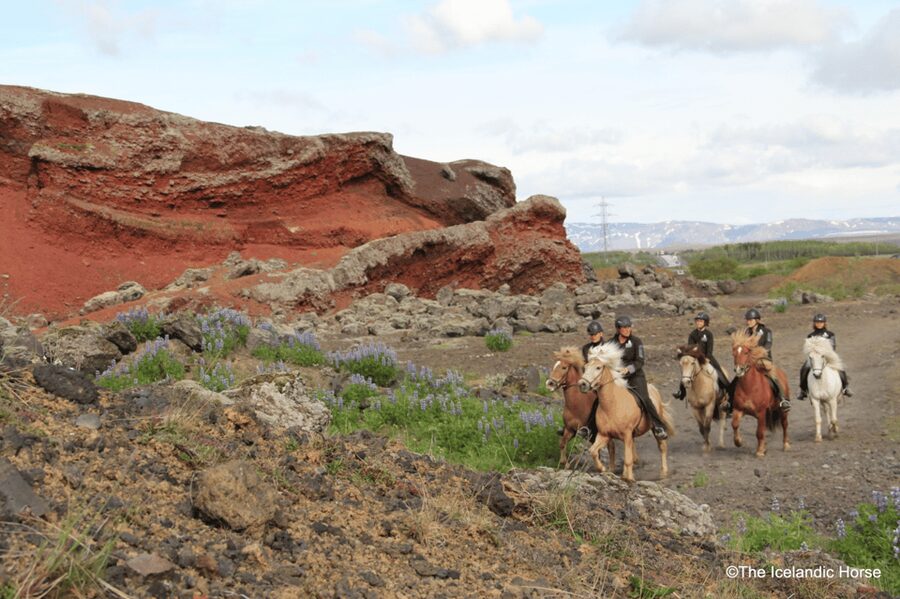
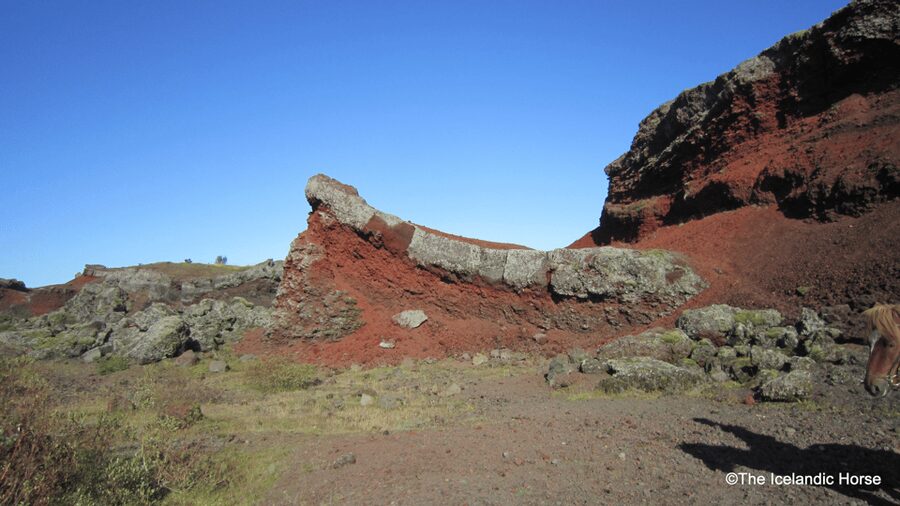
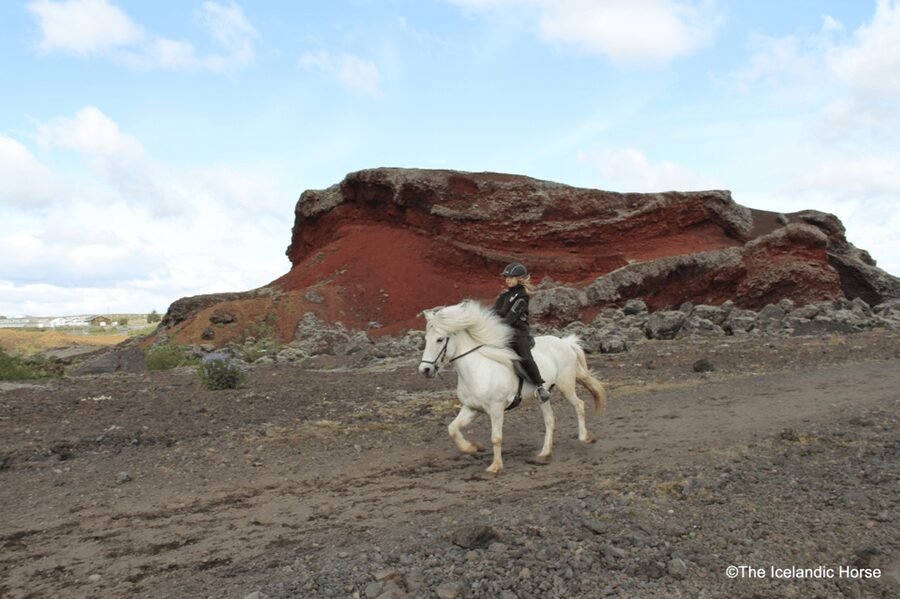
The mounted portion lasts about 1 to 1.5 hours within the two-hour experience. The route passes through an area known as Iceland Redhill, with mountain colors, volcanic ground, and wide views across the Icelandic wilderness.
The scenery is not one dramatic viewpoint followed by another. It is a broad setting to take in slowly. From horseback, you notice the shape of the mountains, the open ground, and the contrast between the hills and the vast spaces around them. Glaciers and volcanoes have done the major work here, and you get time to appreciate those forces at a relaxed pace.
The ride is suited to people who want a gentle outdoor outing rather than a fast or demanding horseback expedition. First-time riders can concentrate on balance and steering without being pushed beyond their comfort level. At the same time, riders with more experience can enjoy the horses’ movement and the unusual setting.
One past rider wished the route were longer and more scenic. That is a fair consideration. The ride offers beautiful surroundings, but it is still a relatively short outing, and the exact route can depend on conditions. If your main goal is a long wilderness trek, look for a longer riding program. If your goal is to try an Icelandic horse during a Reykjavík visit, the length works well.
The tölt is the feature you will remember
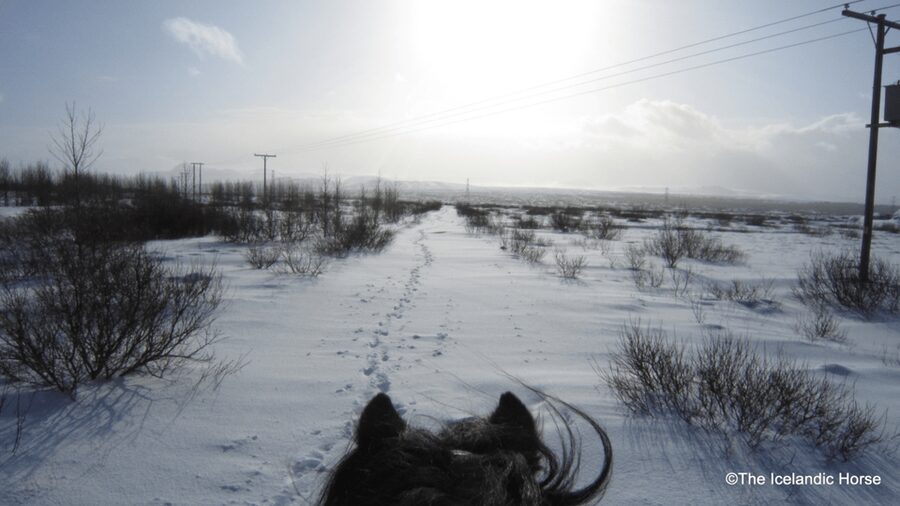
The Icelandic horse is famous for its ability to perform the tölt, a distinctive gait that gives the ride its special character. The guides introduce you to it during the outing, and many riders describe it as the highlight.
At a simple level, the tölt is a smooth four-beat movement. It can feel different from a standard walk, trot, or canter, and the experience gives you a direct reason to care about the breed’s reputation. You are not only looking at an Icelandic horse. You are feeling what makes it unusual.
The guides introduce the movement in a controlled way, with first-timers receiving support and advice. Several riders with almost no riding experience were able to enjoy it, while experienced riders appreciated the chance to ride the gait in Iceland itself.
Do not assume you will spend the whole ride at the tölt. The pace and movement depend on the horses, the group, the terrain, and each rider’s ability. The outing is built around comfort and safety, not speed.
Friendly guides who keep the mood relaxed
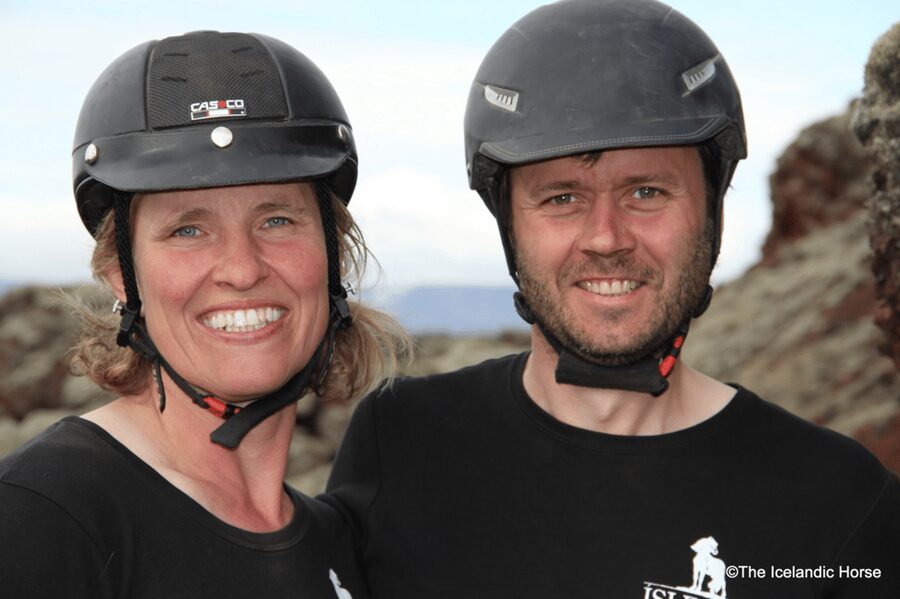
Begga and Sveinn, the owners, receive especially warm praise for their personal approach. They combine instruction with humor, answer questions, and keep checking that riders feel safe and comfortable.
That matters when a group includes both experienced riders and complete beginners. A nervous rider needs calm correction, not pressure. A confident rider needs enough guidance to avoid bad habits. The staff appear to manage both needs well.
The guides also share information about Icelandic horses and the physical geography of the area. You get a little local context while riding, without turning the tour into a formal lecture. The result is social and easygoing, but still useful.
Photography is another thoughtful touch. Begga and Sveinn have taken photos and videos of riders, horses, and the scenery, allowing you to focus on riding instead of trying to hold a camera. You should confirm how the images will be delivered, since the supplied information does not specify that process.
The personal care extends beyond routine instruction. On one honeymoon outing, the owners gave the couple a horseshoe for good luck. That kind of small gesture helps explain why the experience feels more personal than a large commercial ride.
What the weather can change
You should book this with flexible expectations about weather. Rain, cold, wind, and mud are all possible, even when the forecast looks harmless. Supplied rain clothes, overalls, gloves, and shoes are a major help, but you may still get wet or uncomfortable.
The company may cancel if conditions are unsafe, particularly during high winds. One rider described an original tour being canceled because of strong wind, followed by helpful arrangements for another day. That is frustrating if your schedule is tight, but it is the right call for a horseback activity.
A rainy day does not automatically ruin the experience. Riders have enjoyed the outing in poor weather, helped by the guides’ attitude and the protective gear. Still, you should not book this expecting perfect postcard conditions. The mountains may look especially dramatic under changing skies, but outdoor riding requires some tolerance for discomfort.
The operator allows free cancellation up to 24 hours before departure for a full refund. You can also reserve and pay later, which helps if your Iceland plans are still shifting.
Is $200 a fair price?
At $200 per person, the tour is expensive for a two-hour activity. The actual time on horseback is about 1 to 1.5 hours, so you are paying for the short lesson, horse selection, staff attention, equipment, and the setting as well as the ride itself.
The strongest value comes from the small group and the level of instruction. A beginner is not simply placed on a horse and sent after a guide. You receive an introduction to Icelandic horses, a suitable mount, safety advice, and support during the ride.
The price also covers clothing that you might otherwise need to rent or bring. For a visitor who has traveled light, rain gear, gloves, overalls, and riding shoes can make the difference between enjoying the outing and spending the ride worrying about the cold.
I would consider it worthwhile if riding an Icelandic horse is high on your Iceland wish list. I would be less likely to recommend it to someone who is mainly searching for the cheapest way to see mountains near Reykjavík. The experience is about the horse as much as the scenery.
Who should book this ride?
This tour fits adults and children aged 12 or older who want a guided introduction to horseback riding in Iceland. It works particularly well for first-time riders because the staff explain the basics, match horses carefully, and provide support throughout the outing.
It also suits experienced riders who want to try the tölt and spend time with well-trained Icelandic horses. The ride is not presented as an advanced, high-speed excursion, so serious riders seeking technical instruction or a long-distance trek may want something more demanding.
Animal lovers will likely appreciate the attention given to the horses. The staff’s care is repeatedly visible in the way they match riders, explain horse behavior, and talk about the breed.
You should skip the activity if you will be under the influence of alcohol or drugs, if you cannot follow instructions about quiet movement on horseback, or if the age rule affects someone in your group. Inform the company about illnesses or poor health before riding so staff can assess the situation.
Practical details that make the day easier
Keep these points in mind when planning:
- The experience lasts two hours.
- The ride itself lasts about 1 to 1.5 hours.
- The stables are about 10 minutes from Reykjavík.
- The maximum group size is eight.
- The guide speaks English.
- Riding gear, rain clothes, overalls, gloves, and shoes are included.
- The minimum age is 12.
- Intoxication is not allowed.
- Wait by the boom barrier at the parking area until staff open it.
- Weather may lead to cancellation or a change of plan.
- Cancellation is free up to 24 hours before departure.
- You can reserve now and pay later.
FAQ
How long does the Reykjavík horse riding tour last?
The full experience lasts two hours. The mounted ride lasts approximately 1 to 1.5 hours, with the remaining time used for arrival, preparation, and riding instruction.
How far are the stables from Reykjavík?
The stables are about a 10-minute drive from Reykjavík.
What riding equipment is included?
The tour includes riding gear, rain clothes, overalls, gloves, and shoes.
Is the tour suitable for beginners?
Yes. The guide gives a riding briefing, explains how to handle the horse, and assigns each participant a horse suited to their experience level.
What is the tölt?
The tölt is the special gait of the Icelandic horse. The tour gives you the chance to experience this distinctive movement during the ride.
What is the minimum age?
Participants must be at least 12 years old.
What language is the tour conducted in?
The tour has a live English-speaking guide.
What happens if the weather is unsafe?
The operator may cancel or change the service when conditions require it, including during poor weather or high winds. Free cancellation is available up to 24 hours in advance, and the operator may arrange a different day when possible.
Should you book this Icelandic horse tour?
Book it if you want more than a slow circuit on a horse. The value here is the combination of a close-in Reykjavík location, a small group, careful horse matching, friendly instruction, and the chance to feel the tölt beneath you.
I would especially choose it for a first Iceland visit, a honeymoon, or a short stay when you want one memorable activity without committing a full day. Come prepared for rain and accept that the ride is fairly brief. If those limits suit you, this is a warm, well-run way to meet Iceland from the saddle.
Added around Reykjavik recently
- Reykjavik: Whale and Puffin Watching RIB Boat Tour★ 4.6 · 179 reviews
- Reykjavik: Whale Watching & Lava Show★ 5.0 · 4 reviews
- Reykjavik: Whale Watching Express★ 4.3 · 227 reviews
- Reykjavik: Whale & Marine Adventure Tour★ 4.3 · 71 reviews
- From Reykjavík: Viking Horseback Tour in Hafnarfjörður★ 4.9 · 112 reviews
- Day Trip to Snæfellsness Peninsula from Reykjavik★ 5.0 · 7 reviews
- Private Luxury Transfer from Reykjavik to Blue Lagoon★ 5.0 · 1 review
- Whales Of Iceland Admission Ticket★ 4.0 · 239 reviews
Horse Riding Tours, compared.
Icelandic Horseback Riding Tour with Pickup Option from Reykjavik
Read our review →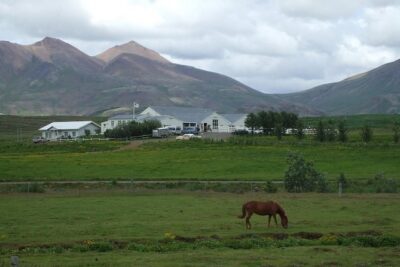
Icelandic Horseback Riding Tour Including Pick Up from Reykjavik
Read our review →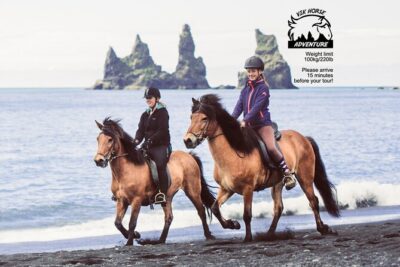
Golden Circle, Fridheimar Farm & Horses Small Group Tour from Reykjavik
Read our review →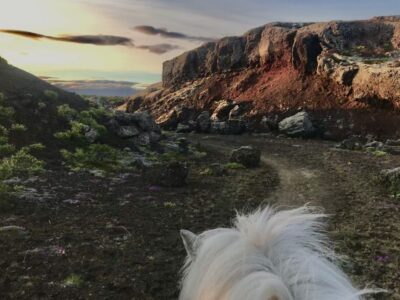
Small-Group Horse Volcano Riding Tour with Pickup
Read our review →Browse the lists this tour appears in