
Review · CITY TOURS
Reykjavik City Card 24-hour
Pack a full museum day. The Reykjavik City Card gives you free entry to a wide mix of museums, public pools, the Family Park and Zoo, and Viðey Island, all for $47.88. I especially like the freedom to build your own day, and the strong cluster of downtown museums makes it possible to visit several without a tour group or fixed schedule. The catch is time: most museums close around 5 p.m., so you need a plan.
I also like that the card includes Reykjavík’s public buses and the ferry to Viðey, two useful extras that can otherwise add to the cost of a short stay. But the bus is regular city transport, not a hop-on hop-off sightseeing bus, and it can be confusing if you do not already understand the routes. The digital voucher must be exchanged for a physical card before you use the benefits.
In This Review
- Key points at a glance
- What the Reykjavik City Card actually gives you
- Start with the central museums near Aðalstræti
- Make Hafnarhús your main art stop
- Add the National Museum for a wider view of Iceland
- Use the three Reykjavík Art Museum locations selectively
- Make a thermal pool part of the card’s value
- Save Viðey Island for a carefully chosen window
- Visit Árbær and the Family Park with realistic expectations
- The smaller art and history stops around Hafnarfjörður
- Plan the 24 hours around opening times
- Do not confuse the city buses with a sightseeing bus
- Collect the physical card before using it
- Who should buy the Reykjavik City Card?
- Should you book the 24-hour card?
- FAQ
- How long is the Reykjavik City Card valid?
- Does the card include public transportation?
- Can I use the digital voucher directly at museums?
- Does the card include swimming pools?
- Is entry to Viðey Island included?
- Does the card include the Family Park and Zoo?
- What museums are included?
- Are all museums open all day?
- Can I cancel for a full refund?
Key points at a glance
- Best use of 24 hours: Pair the Settlement Exhibition, City Museum sites, Hafnarhús, and the Photography Museum in central Reykjavík.
- The strongest bonus: Public thermal pools are included, giving you an easy way to experience a very Icelandic daily custom.
- Transport reality: Straeto buses are included, but route planning and infrequent service can eat into a short day.
- A special outing: The Viðey ferry is covered, but the pier may require a taxi in winter, especially from Skarfabakki.
- Art lovers have plenty to choose from: The National Gallery and three Reykjavík Art Museum locations cover Icelandic, modern, contemporary, and sculptural work.
- Value depends on your pace: The card can save money after several admissions, but it is poor value if you only reach one or two sites.
What the Reykjavik City Card actually gives you
This is a self-guided pass, not a narrated city tour. You choose the sights, the order, and the amount of time you spend at each one. The 24-hour version works best as a carefully planned burst of museums and local experiences rather than a leisurely pass for an entire holiday.
Included benefits cover admission to several museums, Reykjavík’s public bus network, the Family Park and Zoo, and several thermal pools. The provider also states that the card includes access to eight swimming pools and bus fares throughout the Reykjavík City Area. Viðey Island ferry service is included as well.
The price is $47.88 per person. Exact admission prices vary, so I would not buy it simply because it says free entry. I would first choose the places you genuinely want to see, then compare their individual admission costs with the card price. The pass becomes more attractive if you visit three or four museums, add a swimming pool, and use the ferry.
One very useful example comes from a tightly planned central Reykjavík day: the Settlement Exhibition, City Museum, Reykjavík Art Museum Hafnarhús, and Reykjavík Museum of Photography can make a strong group of stops. That combination has been enough to save more than half the cost of separate admission for some visitors.
Worth a second look around Reykjavik
- Reykjavik: Golden Circle Full-Day Tour with Kerid Crater
★ 4.8 · 24,485 reviews - Reykjavik Food Walk – Local Foodie Adventure in Iceland
★ 5.0 · 18,952 reviews - Iceland: Northern Lights Bus Tour from Reykjavik
★ 4.1 · 11,161 reviews
Start with the central museums near Aðalstræti
The easiest way to get value from the card is to begin in the old center, where several sights sit close together. This saves you from spending your first hours figuring out buses.
The Settlement Exhibition, also called Reykjavík 871±2, is one of the most memorable stops on the card. It is built around the remains of a settlement-era hall excavated in 2001. The hall was inhabited from about 930 to 1000, and nearby turf remains date to shortly before 871. The exhibition uses archaeology and scholarly theories to explain how early settlers lived and worked.
Allow about an hour. The site is compact, but the preserved remains give the story a physical focus. This is a better choice than a broad, label-heavy museum if you want one clear introduction to Reykjavík’s earliest years.
Aðalstræti 10 is another City Museum site in the center. It is both a museum and exhibition space, and part of the Reykjavík City Museum network, which has five separate locations. Its short suggested visit of 30 minutes makes it easy to add before or after the Settlement Exhibition.
The Reykjavík Museum of Photography offers a different view of Iceland. Its displays include Icelandic photography, historic and contemporary work, and photographs by artists from other countries. The exhibitions place photography in artistic, social, and cultural settings.
The main practical warning is the opening time. One visit found the Photography Museum did not open until 1 p.m., despite the visitor having planned it earlier. Check the hours before making the climb or crossing town. The museum can be a fine late-day stop, but it may not fit an early morning schedule.
Make Hafnarhús your main art stop
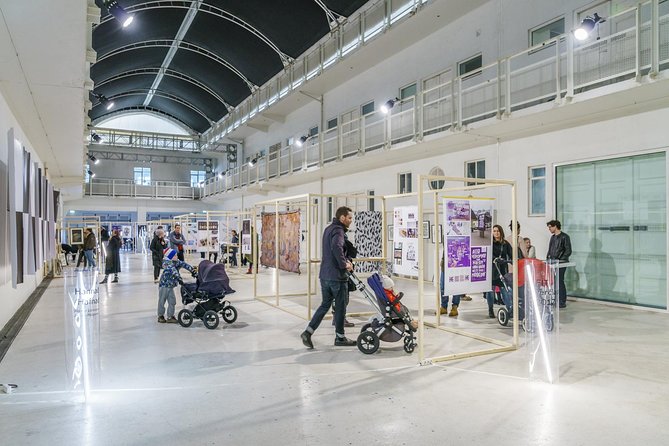
Reykjavík Art Museum Hafnarhús is in an old harbor warehouse in the oldest part of Reykjavík. The building dates from the 1930s, when it was among the country’s largest structures. That industrial setting suits its program of modern and contemporary art.
The museum has six galleries with local and international artists, including established names and newer artists. It is also home to works by Erró, an important Icelandic figure in international pop art.
Plan on two hours if you want to give the galleries proper attention. Hafnarhús is one of the better card choices for a short visit because it offers a lot without requiring a trip far outside the center. It also pairs naturally with the Settlement Exhibition and the Photography Museum.
The National Gallery of Iceland is smaller in suggested visit time, about one hour, but it provides important context for Icelandic art. Its collection focuses on 19th and 20th century Icelandic artists, with international works by Pablo Picasso, Edvard Munch, Karel Appel, Hans Hartung, Victor Vasarely, Richard Serra, and Richard Tuttle.
I like this stop for visitors who want to see how Icelandic art fits into a wider European and international story. Check the current exhibition program first, since one cardholder arrived at an art museum and found no exhibition on display.
The Culture House offers another broad look at Icelandic visual culture. Its permanent exhibition, Points of View, brings together collections from six major Icelandic cultural institutions. Paintings, books, maps, archival material, and museum objects are arranged by theme. Allow about an hour.
Add the National Museum for a wider view of Iceland
The National Museum of Iceland is at Suðurgata 41, away from the tight downtown cluster. It presents objects connected to Iceland’s cultural past and uses them to encourage thought about the country’s present and future.
Allow an hour. This is the place to choose if you want a wider national view rather than a single subject such as photography, settlement archaeology, or contemporary art. The extra distance matters on a 24-hour pass, so combine it with another nearby destination or use the bus if the route works for your schedule.
The Maritime Museum is another strong history choice. Its Fish & Folk exhibition follows 150 years of Reykjavík’s fisheries, from rowing boats to large fishing vessels and the modern industry. The museum occupies a former fish factory, giving the subject an appropriate setting.
Plan on about an hour. If you have only one day, the Maritime Museum and Settlement Exhibition make a sensible pair for anyone interested in how Iceland developed through settlement and fishing. Just remember that both museums may close around 5 p.m., leaving little room for a late start.
Now for something with a completely different feel:
- Reykjavík: South Coast Waterfalls, Black Sand & Glacier Tour
★ 4.8 · 11,030 reviews - Reykjavík: Whale Watching and Marine Life Cruise
★ 4.6 · 9,838 reviews - Reykjavik: Sky Lagoon Entrance Pass With 7-Step Spa Ritual
★ 4.8 · 6,166 reviews - From Reykjavik: Golden Circle, Kerid, & Secret Lagoon Tour
★ 4.8 · 6,009 reviews
Use the three Reykjavík Art Museum locations selectively
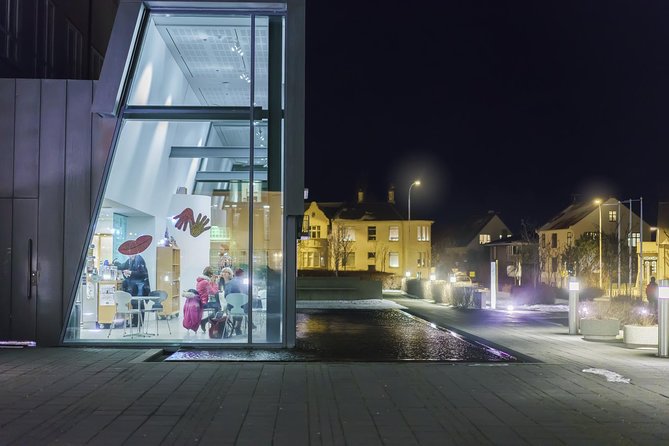
The card covers three Reykjavík Art Museum venues, but visiting all three takes more time and transport than the names might suggest.
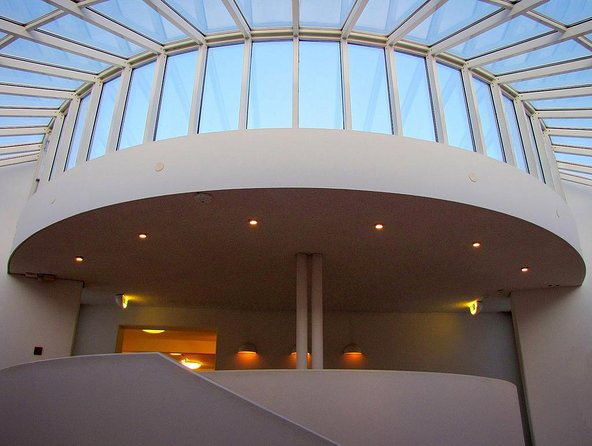
Kjarvalsstaðir focuses mainly on paintings and sculptures by established modern artists, with special attention to Jóhannes S. Kjarval, one of Iceland’s best-known artists. The building itself is worth seeing, with Nordic modernist design and floor-to-ceiling windows facing Klambratún Park. Allow an hour.
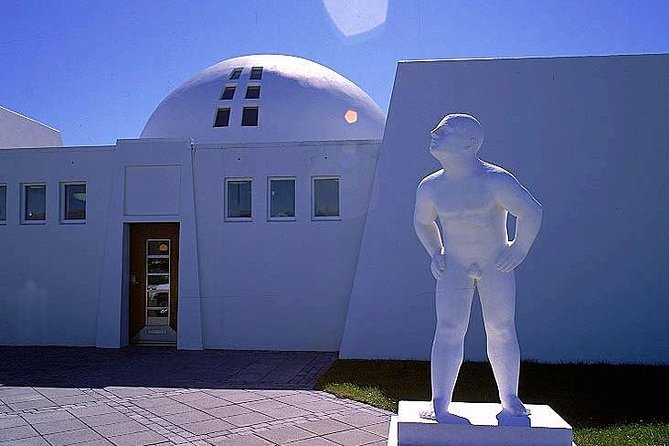
Ásmundarsafn occupies the former home and studio of sculptor Ásmundur Sveinsson. The white domed building was designed by the artist and is part of the experience. Sculptures fill the garden, while the interior reflects his interest in Mediterranean vernacular forms. Allow an hour, especially if you want time outside with the sculpture collection.
Gerðarsafn is in Kópavogur, outside central Reykjavík. It focuses on modern and contemporary art, with temporary exhibitions by Icelandic and international artists as well as selections from its collection. The museum was built in honor of a female artist, Gerður Helgadóttir, giving it a distinct place in Iceland’s museum scene.
The Natural History Museum of Kópavogur is nearby and divides its collection between geology and zoology. You can learn about Iceland’s rocks and formation, then see displays of birds, mammals, fish, and invertebrates. Staff guidance is free and can be adapted to age, language, and interest, though advance reservation is preferred for groups.
These Kópavogur stops make sense as a half-day pairing. They are less useful if you spend the morning walking among central Reykjavík’s compact museums and then try to cross town late in the afternoon.
Make a thermal pool part of the card’s value
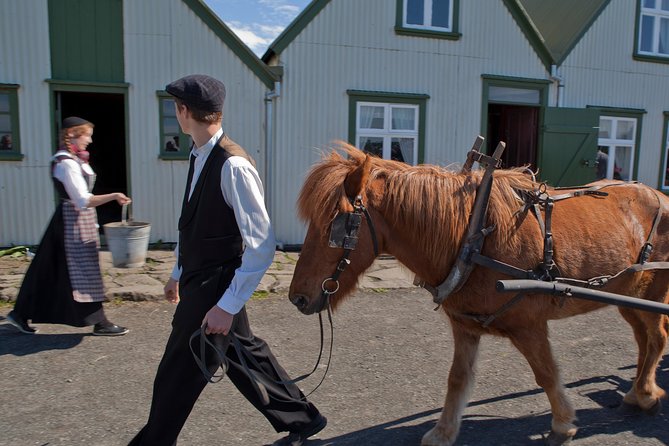
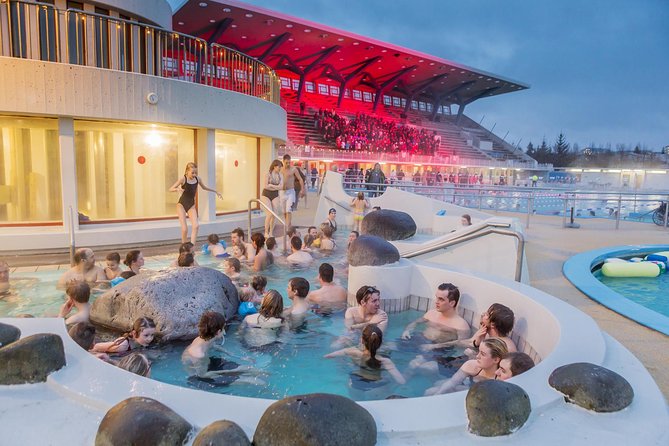
The public swimming pools may be the best reason to buy the card, especially if you want something beyond indoor exhibits. Reykjavík’s pools use geothermal water and commonly include hot tubs, jacuzzis, steam baths, and saunas.
Included pools listed for the card include:
- Grafarvogslaug
- Árbæjarlaug
- Laugardalslaug
- Breiðholtslaug
- Dalslaug
- Klébergslaug
- Sundhöllin
- Vesturbæjarlaug
The facilities differ. Breiðholtslaug has indoor and outdoor pools, slides, a sauna, and hot tubs. Dalslaug opened in December 2021. Klébergslaug is a smaller outdoor pool in Kjalarnes, with views toward Mount Esja, a children’s slide, steam bath, gym, and two hot tubs.
Laugardalslaug is listed among the city’s major pools, while Sundhöllin and Vesturbæjarlaug offer central choices. Grafarvogslaug and Árbæjarlaug can fit better if you are already visiting sights in those districts.
Allow about two hours for the larger pool visits. That includes changing, swimming, and sitting in the hot tubs rather than rushing through the water. You do not need to treat the pass as a museum-only product. A morning museum session followed by a warm outdoor soak can make the day feel far less hurried.
Breiðholtslaug, Dalslaug, Klébergslaug, and some other pool entries are shown as free admission, while other pool listings say included. The practical point is that the City Card is designed to cover Reykjavík’s public pools, but you should confirm current access details when collecting the physical card.
Save Viðey Island for a carefully chosen window
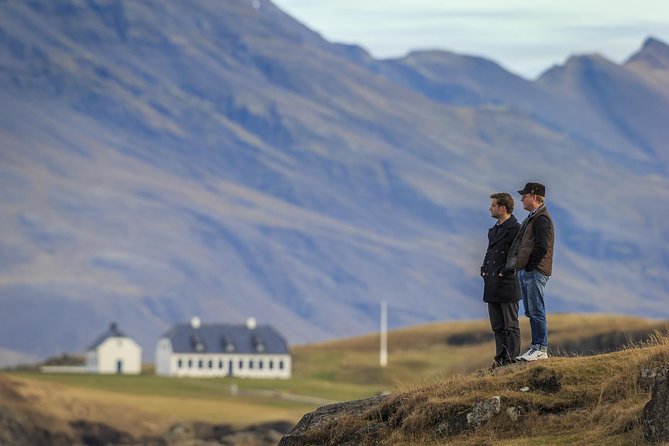
Viðey offers a change of pace from city streets and galleries. The island has birdlife, open nature, historic importance, and modern art installations. The ferry ride is included, making it one of the more unusual benefits of the pass.
Allow about three hours, including the boat connection. It is not a quick add-on between two museums. You need to check the ferry departure point and timing before committing half your card day to the island.
Winter requires extra care. In December, the ferry was running from Skarfabakki Pier, but the city bus did not go directly there. A taxi cost about $50, and finding the Elding Ferry terminal proved difficult for both the first driver and taxis after the return. The walk back to a hotel was long after a full day out.
That does not make Viðey a bad choice. It means you should treat it as your main outing, not something to squeeze in after several museums. If the ferry schedule fits and the weather cooperates, it can provide a welcome outdoor break and a memorable use of the card.
Visit Árbær and the Family Park with realistic expectations
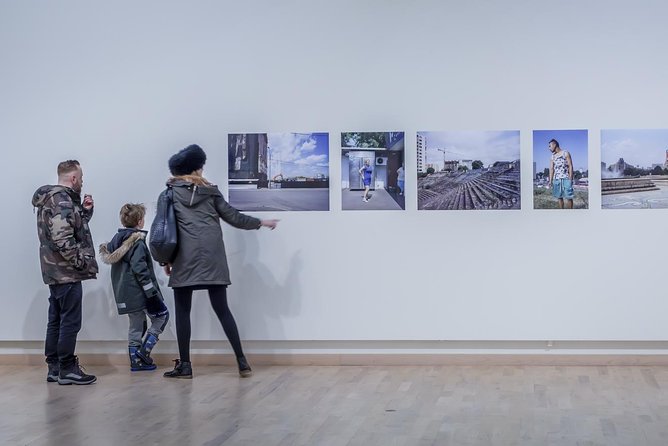
Árbær Open Air Museum is in a former farm area and contains more than 20 relocated buildings. The grounds include a town square, village, and farm, showing how Reykjavík developed through the 20th century.
Allow about three hours. This is one of the card’s longer stops, and it works best when you want a slower, outdoor museum rather than another hour indoors. Weather matters, since much of the appeal comes from moving among buildings and grounds.
The Reykjavík Family Park and Zoo is not a large international zoo. Its animals include Icelandic farm species, local wildlife mammals, and a small display of reptiles, amphibians, and insects. Playgrounds operate in summer and on winter weekends when weather permits, while other play equipment remains available.
Allow about two hours. Families may appreciate the combination of animals and play areas, but anyone expecting a major zoo could find it modest. One poor experience occurred when the entire site was closed during a winter visit, so check seasonal opening conditions before riding the bus across town.
The smaller art and history stops around Hafnarfjörður
The card also reaches Hafnarfjörður, where Hafnarborg offers art exhibitions in the town center. Allow about 30 minutes for the art museum.
The Hafnarfjörður Museum occupies several buildings in the center and focuses on local history. Allow about an hour. These stops are useful if you already plan to visit Hafnarfjörður, but they are not efficient additions to a packed central Reykjavík day.
The Sigurjón Ólafsson Museum is dedicated to the Icelandic sculptor Sigurjón Ólafsson. His former studio at Laugarnes was converted into an exhibition space by his widow, Birgitta Spur, in 1984. Allow an hour.
This is a more focused, personal museum than the larger art venues. It suits you if sculpture interests you or if you want to see an artist’s working environment rather than move through broad national collections.
Plan the 24 hours around opening times
A common mistake is to count every included stop and assume you can visit most of them. You cannot. The listed visit times alone add up to far more than one day, and many museums operate roughly from 10 a.m. to 5 p.m.
A practical museum day might look like this:
- Start with the Settlement Exhibition and Aðalstræti 10.
- Walk or use a short bus connection to Hafnarhús.
- Add the Photography Museum if it is open.
- Choose either the National Gallery or Maritime Museum.
- Finish with a thermal pool.
That plan uses the card for four museums plus a pool, without sending you on a cross-town race. Another good plan is the National Museum, Árbær Open Air Museum, and a pool, but that gives you less variety and requires more attention to transport.
The pass is valid for 24 hours, not simply one calendar day. That can help if you activate it in the afternoon, visit museums that day, then use a pool or bus the next morning. Still, the exact activation and redemption details matter, so do not exchange the voucher too early unless you are ready to begin using the card.
Do not confuse the city buses with a sightseeing bus
This point deserves plain wording: the included transport is the Straeto public bus system. It is not a hop-on hop-off tour with commentary.
The buses can be clean and useful, and one well-planned day used them efficiently between three museums. But route changes may be hard to understand, service can take about half an hour between buses on some routes, and drivers may not be able to help in English with transfers. Kind local residents may be able to point you in the right direction, but that is not a transport plan.
I would use the bus for longer jumps and walk within central Reykjavík. Walking often saves time when museums are close together. It also lets you see more of the city instead of waiting at a stop.
Collect the physical card before using it
Your digital voucher is not the admission card. You must exchange it for a physical Reykjavík City Card at a participating museum in Reykjavík. The voucher itself cannot be used for free entry.
This caused a serious problem for one purchaser who expected the digital document to work. The provider clarified that free admission and bus access begin once the physical card has been issued. The stated opening hours for the service are Monday through Friday, 9 a.m. to 10 p.m., from January 15, 2022 through December 10, 2026, but individual museums and pools have their own schedules.
Keep the voucher easy to find, and collect the card at a place that fits your first planned stop. Check current opening times for every museum before setting out, especially the Photography Museum, the zoo, and any destination outside the center.
Who should buy the Reykjavik City Card?
I would recommend it to a short-stay visitor who enjoys museums, wants to use a thermal pool, and is willing to plan a route. Families can also get good value from the pool and Family Park and Zoo benefits.
It is less suitable if your Reykjavík visit is mostly cafés, scenic walks, churches, and shopping. It also may not pay off if you arrive late, rely heavily on slow bus connections, or want to spend most of the day on Viðey Island alone.
The 27 available ratings average 4 out of 5, which fits the experience well. The strongest results come from people who pick a neighborhood cluster and start early. The weakest results come from people who expect a sightseeing bus, arrive when attractions are closed, or try to cover too much ground.
Should you book the 24-hour card?
Book it if you can name at least three museums or galleries you want to see, then add a pool or Viðey ferry. Hafnarhús, the Settlement Exhibition, the National Gallery, the Maritime Museum, and the Photography Museum create a strong central group, while the pools add a distinctly Icelandic experience.
Skip it if you prefer an unplanned day or expect guided sightseeing from the bus. At $47.88, the card can be an excellent deal, but only when you use it with purpose. Pick up the physical card, check museum hours, walk the central sights, and save the bus for longer routes. Cancel at least 24 hours before the start time for a full refund if your plans change.
FAQ
How long is the Reykjavik City Card valid?
The product described here is the 24-hour Reykjavik City Card. The wider tour information lists an approximate duration of two days, but the card itself is the 24-hour option.
Does the card include public transportation?
Yes. It includes Straeto public bus service in Reykjavík and the wider Reykjavík City Area. It is not a hop-on hop-off sightseeing bus.
Can I use the digital voucher directly at museums?
No. You must exchange the digital voucher for a physical City Card. The voucher itself does not function as the card.
Does the card include swimming pools?
Yes. It includes access to several Reykjavík thermal pools. The provider states that the card covers eight swimming pools.
Is entry to Viðey Island included?
Yes. Admission to Viðey Island, including the ferry benefit described for the card, is included. Ferry departure points and schedules can vary by season.
Does the card include the Family Park and Zoo?
Yes. Admission to the Reykjavík Family Park and Zoo is included.
What museums are included?
Included sites listed here include the National Gallery of Iceland, Reykjavík Art Museum Hafnarhús, the National Museum of Iceland, the Settlement Exhibition, the Reykjavík Maritime Museum, Árbær Open Air Museum, the Reykjavík Museum of Photography, Kjarvalsstaðir, Ásmundarsafn, Gerðarsafn, the Natural History Museum of Kópavogur, the Culture House, Aðalstræti 10, and the Sigurjón Ólafsson Museum.
Are all museums open all day?
No. Many museums are open roughly from 10 a.m. to 5 p.m., and individual hours vary. The Photography Museum, for example, may open later, so check each venue before planning your route.
Can I cancel for a full refund?
Yes, if you cancel at least 24 hours before the experience start time. Cancellations or changes made less than 24 hours beforehand are not accepted for a refund.
Added around Reykjavik recently
- Reykjavik: Whale and Puffin Watching RIB Boat Tour★ 4.6 · 179 reviews
- Reykjavik: Whale Watching & Lava Show★ 5.0 · 4 reviews
- Reykjavik: Whale Watching Express★ 4.3 · 227 reviews
- Reykjavik: Whale & Marine Adventure Tour★ 4.3 · 71 reviews
- From Reykjavík: Viking Horseback Tour in Hafnarfjörður★ 4.9 · 112 reviews
- Reykjavík: Horse Riding Tours★ 4.9 · 127 reviews
- Day Trip to Snæfellsness Peninsula from Reykjavik★ 5.0 · 7 reviews
- Private Luxury Transfer from Reykjavik to Blue Lagoon★ 5.0 · 1 review
City Tours, compared.

City Sightseeing Reykjavik Hop-On Hop-Off Bus Tour: 24 or 48-Hour
Read our review →
City Walking tour in Small Group with Local Guide
Read our review →

Browse the lists this tour appears in