Review · REYKJAVIK TOURS
Reykjavik: Discover the Cultural Soul of Iceland
Reykjavik rewards slow walking. This two-hour private tour links historic streets, landmarks, and local stories in a compact route through the capital. I like the specialist cultural-heritage guide and the use of headphones, which should help you hear clearly near busy roads. I also like that the route connects old wooden houses and Parliament with modern Harpa and the Sun Voyager.
The main consideration is the weather. You spend the entire tour outdoors, and winter rain or snow can leave paths slippery. The tour also does not include museum admission, so you will mainly see the buildings from outside or make short stops rather than spend time inside exhibits.
In This Review
- Key points at a glance
- Starting at Hólavallagarður’s cemetery bell tower
- Tjornin, Reykjavik’s central lake
- Alþingi and the story of Icelandic democracy
- Traditional wooden houses and Reykjavik’s older character
- Harpa, a modern pause in the old city
- The Sun Voyager and Reykjavik’s maritime identity
- Hallgrimskirkja, the city’s best-known landmark
- The final photo stop and return toward the capital region
- Stories about merchants, sailors, and Icelandic culture
- What $87 per person buys you
- Comfort, weather, and who should book
- Booking advice and final verdict
- FAQ
- How long does the Reykjavik cultural tour last?
- What language is the tour conducted in?
- Is this a private group experience?
- Where does the tour begin?
- Which Reykjavik sights are included?
- Are museum entrance fees included?
- What should I bring?
- Is the tour accessible to wheelchair users?
Key points at a glance
- Starts in a cemetery bell tower: Meet inside Hólavallagarður, using one of the side entrances to reach the bell tower and cemetery grounds.
- Covers major Reykjavik sights in two hours: The route includes Tjornin, Alþingi, Harpa, the Sun Voyager, and Hallgrimskirkja.
- Led by a cultural-heritage specialist: The guide has a degree in Cultural Heritage recognized by ENIC-NARIC of the University of Iceland.
- Private, with English or Spanish guiding: You get a private group rather than a large shared walk, with a choice of two languages.
- Headphones are included: This is useful beside traffic and helps you follow stories without crowding close to the guide.
- Good value for a focused introduction: At $87 per person, the price makes the most sense if you want context, personal attention, and a broad first look at Reykjavik.
Starting at Hólavallagarður’s cemetery bell tower
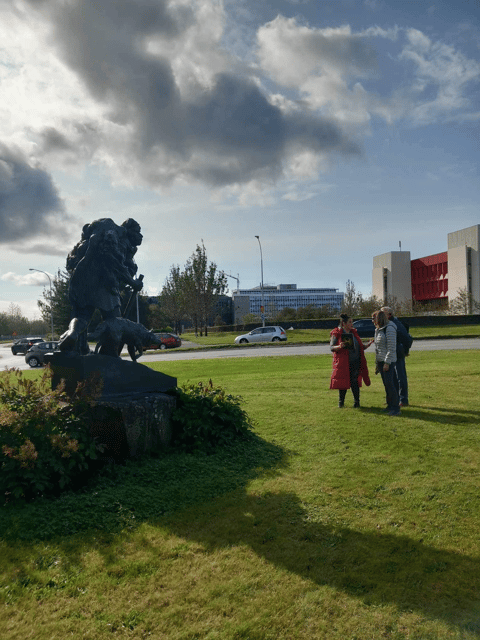
The meeting point is not a standard street corner. You enter Hólavallagarður through one of the side doors and meet at the cemetery bell tower, within the cemetery grounds. That unusual start immediately gives the walk a quieter, older setting than a meeting outside a hotel or shop.
I recommend arriving early enough to find the correct entrance without rushing. The instructions specifically direct you to the bell tower, so do not wait only at the cemetery’s outer edge. This is also a useful moment to put on your jacket, check your shoes, and keep your camera ready.
Beginning here fits the theme. The walk is meant to show how Reykjavik grew from a small Viking settlement into Iceland’s capital, and a historic cemetery helps set that tone before the route reaches the city’s better-known public buildings.
Your guide begins with a short introduction to Reykjavik and the purpose of the walk. The guide is described as a professional specialist in Cultural Heritage, with academic recognition from ENIC-NARIC at the University of Iceland. That background matters because the tour aims to explain not just what a building looks like, but why it matters to Icelandic society.
Worth a second look around Reykjavik
- Reykjavik: Golden Circle Full-Day Tour with Kerid Crater
★ 4.8 · 24,485 reviews - Reykjavik Food Walk – Local Foodie Adventure in Iceland
★ 5.0 · 18,952 reviews - Iceland: Northern Lights Bus Tour from Reykjavik
★ 4.1 · 11,161 reviews
Tjornin, Reykjavik’s central lake
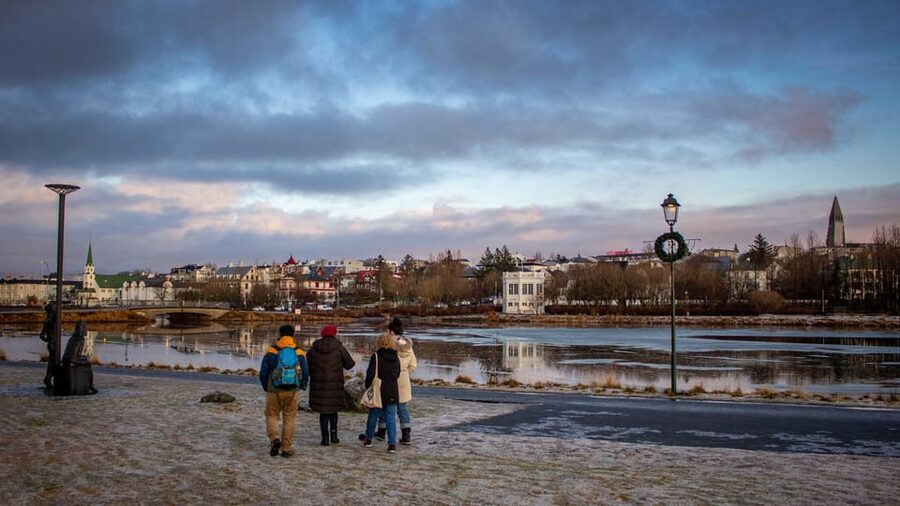
Lake Tjornin receives the longest scheduled stop, about 30 minutes. This is a sensible place to begin the city portion of the tour because it gives you room to pause, take photographs, and hear how the capital developed around its central streets and civic buildings.
You can expect a guided visit and photo stop rather than a long walk around the entire lake. The guide uses the setting to connect architecture, public life, and local stories. The supplied route does not promise wildlife viewing or a particular museum interior, so I would treat this as a city orientation stop, not a nature excursion.
The lake also helps break up the pace. A two-hour walking tour can feel rushed if every stop lasts only a few minutes. Here, the 30-minute pause gives you time to look around while the guide explains the city’s past and present.
Alþingi and the story of Icelandic democracy
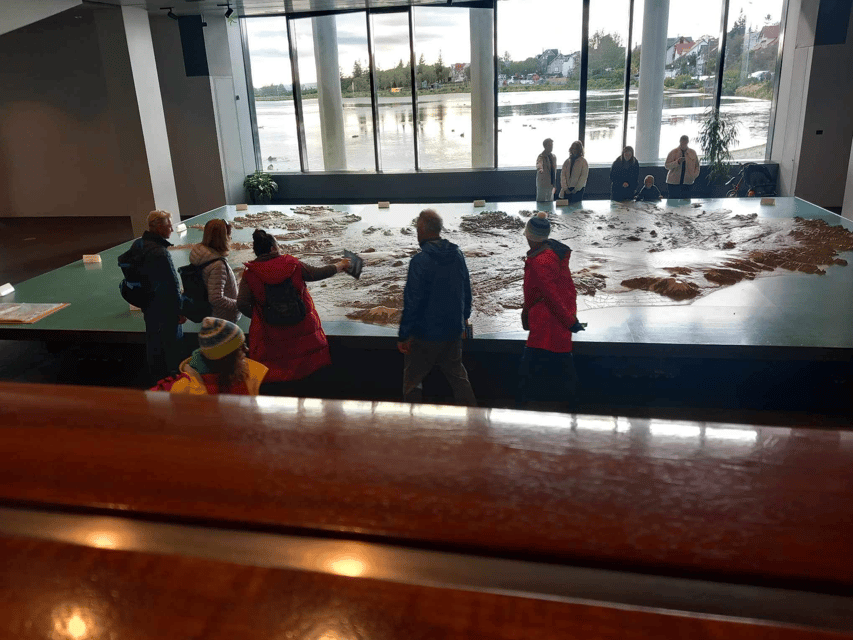
The stop at Alþingi lasts about 10 minutes. That is short, but the subject is large: Iceland’s parliament is linked to one of the world’s oldest democratic traditions. Your guide explains how the institution began and how it still fits into Iceland’s political life today.
This is one of the strongest stops for visitors who want more than a list of buildings. Parliament is not simply an attractive civic structure. It represents a long national tradition of public decision-making, and the guide’s cultural focus should help place the building within that story.
Do not expect a lengthy parliamentary visit. The tour description presents Alþingi as a guided landmark stop, not a full interior tour or a political-history seminar. If you want to explore the building at greater length, you will need to continue on your own after the walk.
Traditional wooden houses and Reykjavik’s older character
The Old Town section brings you along streets where colorful wooden houses reflect local building traditions. These smaller structures provide a useful contrast with Reykjavik’s grander civic and cultural buildings.
I like this part of the route because it helps you see the city at walking speed. A photograph of Reykjavik can make the capital look like a collection of famous sights, but the wooden houses explain its everyday character more clearly. The guide adds stories about merchants, sailors, and other figures connected with the city.
The exact houses are not specified, so you should not expect entry into a particular historic home. The value comes from viewing the streets as a group and learning how architecture reflects the city’s growth.
Now for something with a completely different feel:
- Reykjavík: South Coast Waterfalls, Black Sand & Glacier Tour
★ 4.8 · 11,030 reviews - Reykjavík: Whale Watching and Marine Life Cruise
★ 4.6 · 9,838 reviews - Reykjavik: Sky Lagoon Entrance Pass With 7-Step Spa Ritual
★ 4.8 · 6,166 reviews - From Reykjavik: Golden Circle, Kerid, & Secret Lagoon Tour
★ 4.8 · 6,009 reviews
Harpa, a modern pause in the old city
Harpa receives about 15 minutes of guided attention. Its modern design shifts the focus from old streets and wooden houses to Reykjavik’s present-day cultural life.
The stop is a useful reminder that the city’s identity is not frozen in the past. The tour connects architecture with literature, festivals, and contemporary lifestyles, so Harpa gives the guide a natural setting for that part of the discussion.
The itinerary lists a guided tour at Harpa but does not specify an interior performance or concert. Plan on a brief architectural and cultural stop, not a scheduled show. If you want to spend more time inside, check the building’s separate program after the walk.
Headphones are included for the city tour. That detail is more useful than it may sound. Harpa is near busy routes, and headphones can make it easier to hear the guide without standing shoulder to shoulder with the rest of the private group.
The Sun Voyager and Reykjavik’s maritime identity
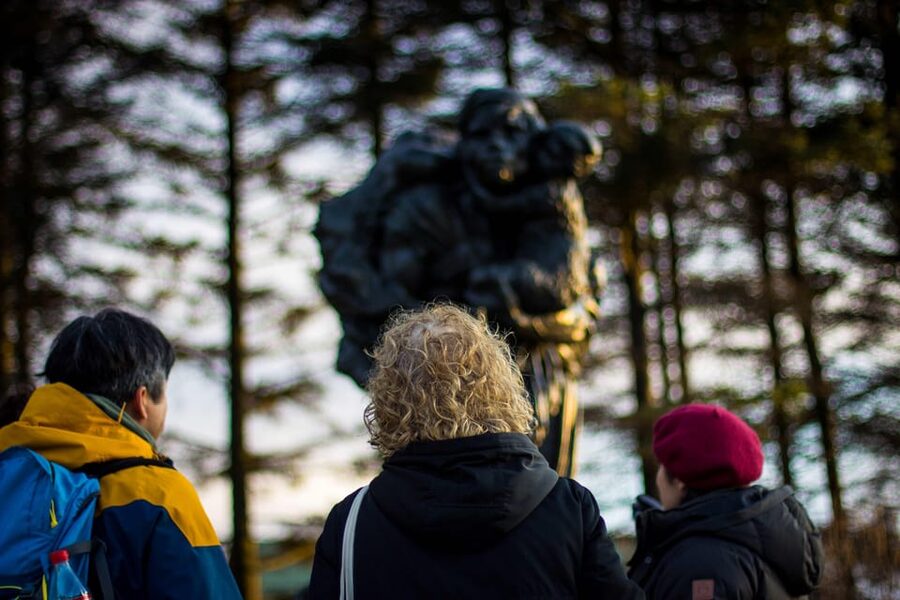
The Sun Voyager is both a photo stop and a guided visit, scheduled for about 15 minutes. Its position by the water gives the tour a chance to discuss Iceland’s seafaring and fishing traditions.
The statue is a natural place for photographs, but the point of the stop goes beyond the picture. Reykjavik’s growth was tied to the sea, and the guide uses the city’s maritime setting to explain that connection.
The visit is brief, so keep your camera accessible and dress for exposure to wind. The tour does not provide food or a break for refreshments, and this is not presented as a café stop. If the weather turns, you will want your jacket fastened before reaching the waterfront.
Hallgrimskirkja, the city’s best-known landmark
The route allows about 20 minutes at Hallgrimskirkja, including a photo stop and guided visit. This gives the guide enough time to discuss the church as both a spiritual center and an architectural symbol.
For many people, this will be the visual high point of the walk. The building is hard to miss, and its design gives the guide a strong way to explain Icelandic identity through architecture. You will hear about its place in Reykjavik and the events and traditions tied to the city’s religious life.
The information provided does not include admission inside the church or access to its tower. Treat the scheduled time as an exterior and cultural visit unless the guide tells you otherwise. The separate note about museum entrance fees also means you should not assume that any indoor admission is included.
The final photo stop and return toward the capital region
The itinerary includes another 15-minute photo stop and guided section, followed by about 10 minutes in the Capital Region of Iceland. The final stop is not named, so I would keep expectations flexible.
That lack of a named landmark is a small weakness in the published route. You know the major points, but not every final detail or the exact finishing landmark. Still, the tour promises a central end point, allowing you to continue exploring without arranging transport back to the start.
The closing section is useful for tying together the old and new parts of Reykjavik. You have seen civic buildings, traditional homes, waterfront symbols, and major architecture. The guide can then suggest additional places to visit on your own, which is especially handy if this is your first day in town.
Stories about merchants, sailors, and Icelandic culture
The strongest feature here is the storytelling. The tour is designed around anecdotes, urban legends, and stories of merchants, sailors, and legendary local characters. That approach gives the walk a human scale.
I prefer this kind of context to a string of dates and construction facts. You still learn about Parliament, religious buildings, the fishing economy, and the city’s growth, but the stories help you remember why each stop matters.
The cultural material also reaches beyond architecture. You may hear about Iceland’s literary tradition, modern daily life, and cultural festivals. The guides adapt the tour to the interests and questions of the private group, so you can ask for more detail about the subjects that matter most to you.
That flexibility is valuable, but it also means the exact balance of history, architecture, literature, and local legends may change from group to group. If you have a particular interest, mention it at the beginning.
What $87 per person buys you
The price is $87 per person for two hours. That is not the cheapest way to see Reykjavik’s central sights, especially since food and museum admission are not included. You are paying for a private guided experience, a specialist guide, language choice, headphones, and a route built around cultural interpretation.
The value depends on your travel style. If you only want quick photographs of Hallgrimskirkja, Harpa, and the Sun Voyager, a self-guided walk will cost less. If you want the buildings connected by stories and prefer to ask questions as you go, the price is easier to justify.
The private-group format is a major part of the value. You are not simply following a large crowd from one landmark to another. The guide can adapt the discussion to your interests, and the use of headphones should help keep the walk clear beside traffic.
Two museums are included as part of the city route, but the service does not include entry fees. The museums are treated as built elements of Reykjavik, with brief or photographic stops. If your main goal is indoor museum time, budget separately and consider returning after the tour.
Comfort, weather, and who should book
Wear comfortable shoes, warm layers, and outdoor clothing. Bring a camera and a jacket even if the forecast looks mild. Icelandic weather can change quickly, and winter rain or snow may freeze on the ground.
Crampons are advised during winter periods with adverse weather because paths can become slippery after snow or rain. That is practical advice, not an optional extra for anyone with uncertain footing.
The walk is designed for all ages, but it is not suitable for wheelchair users or people over 95. Large bags and luggage are not allowed, and the rules also prohibit weapons, sharp objects, alcohol, drugs, audio recording, speakers, and shoes indoors.
I would recommend this tour most strongly to:
- First-time visitors who want a clear introduction to Reykjavik
- History and architecture fans
- Couples, families, or small private groups who value questions and flexible discussion
- English- or Spanish-speaking visitors
- People who want an outdoor activity that does not require a full day
It is less suitable if you need step-free access, dislike walking in uncertain weather, or want long indoor museum visits.
Booking advice and final verdict
I would book the Heritage Walk Island tour if you want Reykjavik to make sense as a city, not just a set of photo stops. The route covers major landmarks, but its real purpose is to connect them through Icelandic politics, faith, maritime work, literature, architecture, and local stories.
At $87 per person, it is best viewed as a private cultural orientation. Book it early in your stay, then use the guide’s recommendations to choose what deserves a longer visit later. Bring warm clothing, arrive at the cemetery bell tower rather than only the outer gate, and keep your schedule flexible at the end.
Skip it if your priority is museum admission, a completely indoor activity, or the lowest possible sightseeing cost. For everyone else, this is a well-focused way to meet Reykjavik in two hours, with enough context to make the rest of your Iceland trip more meaningful.
FAQ
How long does the Reykjavik cultural tour last?
The tour lasts approximately two hours.
What language is the tour conducted in?
The live tour guide is available in English or Spanish.
Is this a private group experience?
Yes. The tour is offered for a private group.
Where does the tour begin?
The meeting point is the cemetery bell tower at Hólavallagarður. Enter through one of the side doors and meet inside the cemetery grounds.
Which Reykjavik sights are included?
The route includes Lake Tjornin, Reykjavik’s Old Town area, Alþingi, Harpa, the Sun Voyager, Hallgrimskirkja, and additional guided and photo stops in the Capital Region.
Are museum entrance fees included?
No. The tour includes visits to two museums as part of the city route, but entrance fees are not included. The museums are viewed as architectural and city elements, with brief or photographic stops.
What should I bring?
Bring comfortable shoes, a camera, a jacket, comfortable clothes, and outdoor clothing. In winter, crampons are advisable during adverse weather because paths may become slippery.
Is the tour accessible to wheelchair users?
No. The activity is not suitable for wheelchair users. It is also not suitable for people over 95.
Added around Reykjavik recently
- Reykjavik: Whale and Puffin Watching RIB Boat Tour★ 4.6 · 179 reviews
- Reykjavik: Whale Watching & Lava Show★ 5.0 · 4 reviews
- Reykjavik: Whale & Marine Adventure Tour★ 4.3 · 71 reviews
- Reykjavik: Whale Watching Express★ 4.3 · 227 reviews
- From Reykjavík: Viking Horseback Tour in Hafnarfjörður★ 4.9 · 112 reviews
- Reykjavík: Horse Riding Tours★ 4.9 · 127 reviews
- Day Trip to Snæfellsness Peninsula from Reykjavik★ 5.0 · 7 reviews
- Private Luxury Transfer from Reykjavik to Blue Lagoon★ 5.0 · 1 review
Reykjavik Tours, compared.
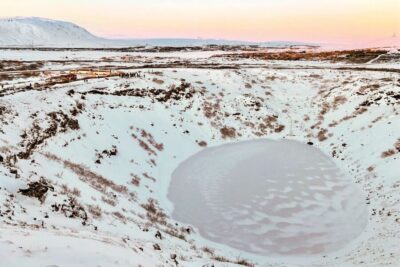
Golden Circle Full-Day Tour with Kerid Crater
Read our review →
Reykjavik Food Walk – Local Foodie Adventure in Iceland
Read our review →

South Coast Waterfalls, Black Sand & Glacier Tour
Read our review →

Sky Lagoon Entrance Pass With 7-Step Spa Ritual
Read our review →