Review · TOURS
The Great Round Tour: Around Iceland in 13 Days
Iceland rewards travelers who keep moving. The Great Round Tour packs the country’s famous waterfalls, glaciers, volcanoes, fishing villages, and remote Westfjords into 13 days, with a maximum of 12 people and Jens Olafsson handling the driving and guiding. I like the small-group format, which should feel more personal than a large coach tour, and I like that breakfast, dinner, accommodation, and the major paid activities are included. The main drawback is the pace: this is a long road trip with a new hotel almost every night, not a slow holiday.
The itinerary reaches places many self-drive visitors skip, including Modrudalur, Strandir, Sudureyri, Latrabjarg, and Raudasandur. I also like the mix of headline sights and quiet stops. Still, you should expect long days on the road, walking on uneven ground, and extra spending on lunches, drinks, and anything not listed as included.
In This Review
- Five things to know before booking
- Why the 12-person size matters in Iceland
- Days 1 and 2: Reykjavik and the classic Golden Circle
- Day 3: Waterfalls, a museum, glacier ice, and black sand
- Day 4: Skaftafell and the Glacier Lagoon
- Days 5 and 6: The remote northeast
- Day 7: Northern towns and the Troll Peninsula
- Days 8 to 10: The Westfjords reward the long drive
- Days 11 and 12: Snæfellsnes and the final inland sights
- Meals, hotels, and the real value of $7,228.71
- Who should choose this Iceland tour?
- Should you book the Great Round Tour?
- FAQ
- How long is the Great Round Tour?
- Where does the tour begin?
- Where does the tour end?
- How many people can join the tour?
- What meals are included?
- Is airfare included?
- Is the Glacier Lagoon boat tour included?
- What level of fitness is required?
Five things to know before booking
- The route covers the whole country: Expect roughly 3,200 to 4,200 kilometers of driving, depending on the exact route and conditions.
- The group is capped at 12 people: That makes roadside stops, guesthouse arrivals, and schedule changes easier to manage.
- Dinner and breakfast are included: You receive 11 dinners and 12 breakfasts across 12 hotel nights.
- The Westfjords are a major strength: Dynjandi, Latrabjarg, Raudasandur, and remote fishing villages add places that many shorter Iceland trips miss.
- The walking is generally light to moderate: The tour includes hikes to Svartifoss and Grabrok Crater, plus plenty of short walks and uneven paths.
- The price reflects a full-service road trip: At $7,228.71 per person, the value depends on how much you prize included meals, lodging, guiding, and freedom from driving.
Why the 12-person size matters in Iceland
Iceland’s famous sights can be crowded, but this tour uses a vehicle for no more than 12 people. That is a useful middle ground. You get a social trip without the scale of a full-size bus, and Jens can provide commentary throughout the drive and make practical decisions more easily.
The guide is Jens Olafsson, who has been praised for expert driving, strong scheduling, Icelandic folk stories, and detailed explanations of geology, geography, and culture. He also handles hotel registration, a small service that matters when you are changing rooms night after night.
The small vehicle is not marketed as a luxury van. One account specifically compared it with far more expensive luxury tours and found the ordinary Ford vehicle perfectly suitable, with the smaller setting helping people get to know one another. If you need plush seats and lots of spare room, this may not be your ideal choice. If you value access and companionship over polish, it makes more sense.
Worth a second look around Reykjavik
- Reykjavik: Golden Circle Full-Day Tour with Kerid Crater
★ 4.8 · 24,485 reviews - Reykjavik Food Walk – Local Foodie Adventure in Iceland
★ 5.0 · 18,952 reviews - Iceland: Northern Lights Bus Tour from Reykjavik
★ 4.1 · 11,161 reviews
Days 1 and 2: Reykjavik and the classic Golden Circle
Day 1 is simple. You make your own way to Hotel Klettur in Reykjavik, the stated starting point. No major sightseeing is scheduled, so you can use the day to recover from the flight or add extra time in the capital. That is wise, since the main tour begins early in spirit, even if the exact departure time is not provided.
Day 2 introduces Iceland’s best-known trio. At Thingvellir National Park, you see the former meeting place of Iceland’s parliament and a major geological feature. The planned hour gives you time to walk, look across the broad setting, and hear why this place matters to Icelandic identity.
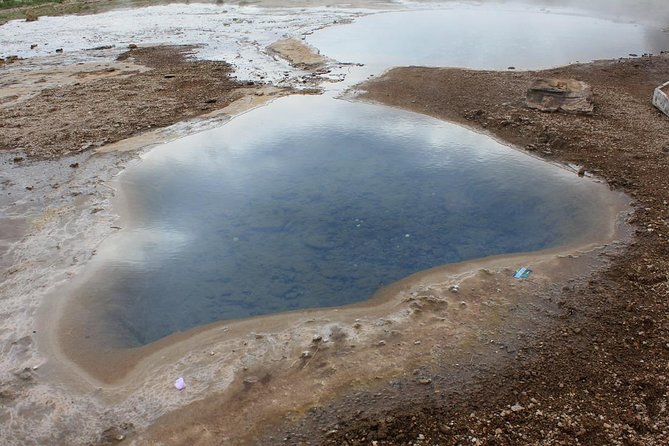
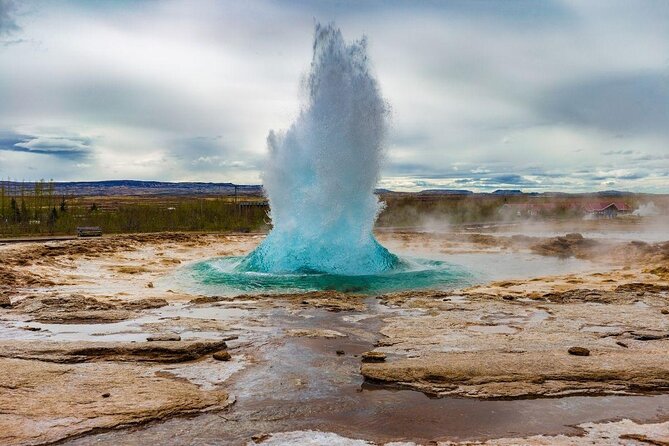
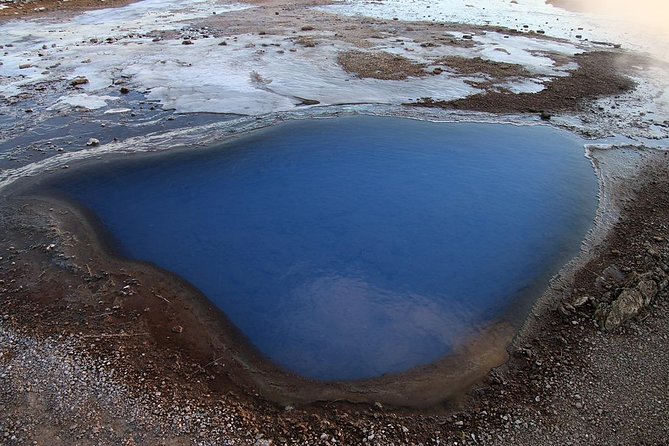
Geysir’s geothermal area follows. The original Geysir gave the whole class of erupting hot springs its name, though the active Strokkur is usually the main attraction in the area. The schedule allows about an hour for steaming ground and erupting water.
Gullfoss receives the longest stop, about 90 minutes. That is enough time to view the falls from more than one angle and take the short walks around the viewpoints. Day 2 is an efficient start, but it also introduces a pattern you will see often: several major sights in a single day, with limited time for lingering.
Day 3: Waterfalls, a museum, glacier ice, and black sand
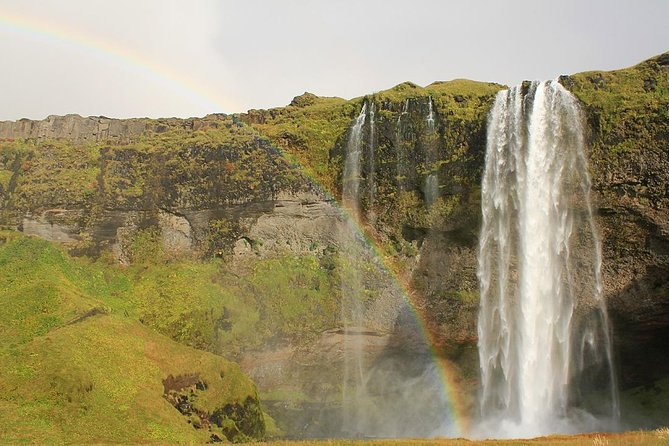
Day 3 is one of the most varied days. Seljalandsfoss is famous for the path that can take you behind the falling water. You receive only about 20 minutes here, so bring waterproof clothing and be ready to move.
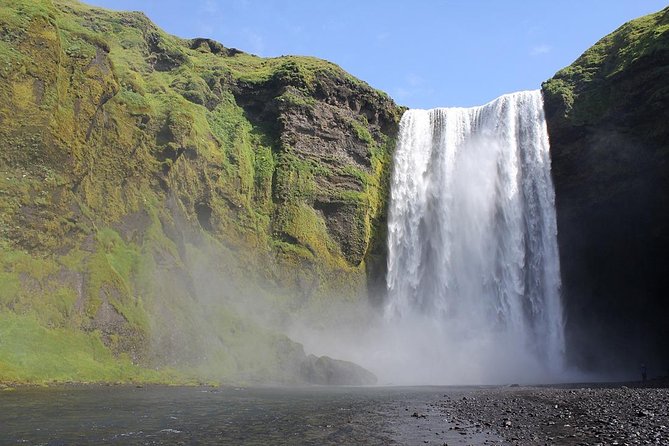
Skogafoss gets 30 minutes. This broad waterfall drops in a powerful curtain, and the spray can create rainbows when the light cooperates. The short visit is enough for photographs, but not for a long walk beside the river.
At the Skogar Museum, the pace slows to 90 minutes. The Folk Museum of Skogar adds a cultural side to the trip, with exhibits that help explain how people lived in Iceland. Admission is included, unlike most of the natural stops, so this is one of the tour’s clear built-in values.
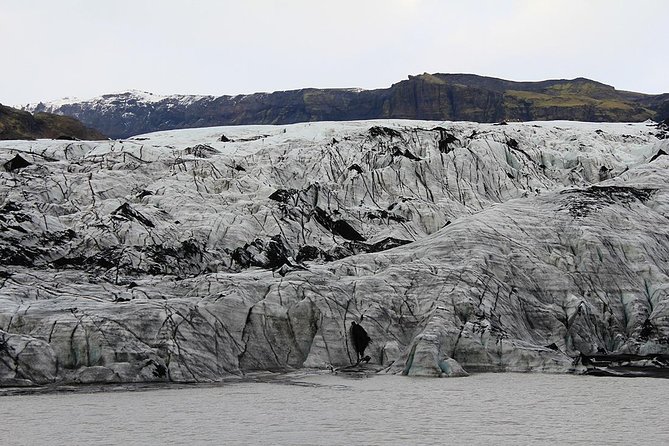
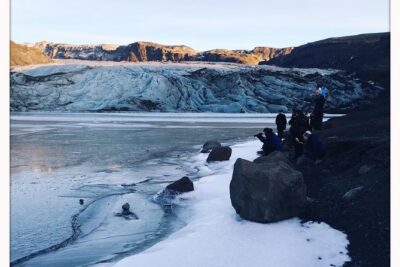
Solheimajokull provides a close look at a glacier tongue, though the schedule lists one hour and does not describe a glacier hike. Do not assume crampons or a technical excursion are part of the package.
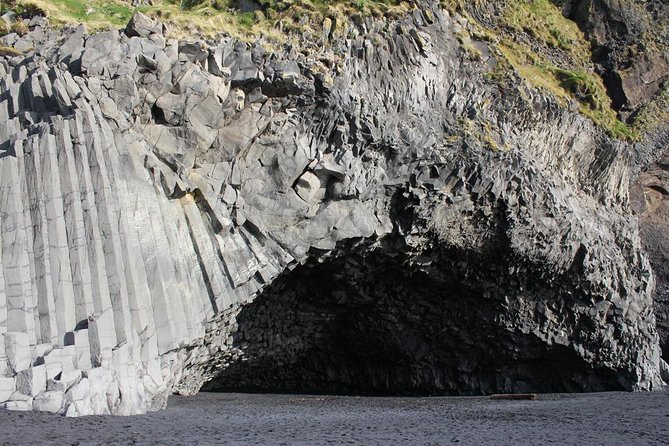
The final stops show Iceland’s southern coast at its most dramatic. Dyrholaey offers sea views and a famous rock arch, while Reynisfjara is a black-sand beach backed by dark basalt formations. The beach stop is only 30 minutes, and you should pay close attention to the guide near the water. Iceland’s surf is powerful, and the beach is better treated as a place for scenery than swimming.
Day 4: Skaftafell and the Glacier Lagoon
Skaftafell National Park brings more walking. The planned two hours covers the area around the park, followed by a 90-minute hike to Svartifoss. The waterfall is framed by tall basalt columns, making it one of Iceland’s most distinctive short hikes.
You need moderate fitness for this trip, and Day 4 explains why. Even a light walk can feel demanding after several days of stops and driving. Sturdy footwear and layers are more useful than fashionable clothing.
The day ends at the Glacier Lagoon, where a two-hour boat tour takes you among floating icebergs. This is one of the tour’s key included activities, and it adds movement and scale to what could otherwise be a quick photo stop. Nearby black sands are often scattered with chunks of ice, though the supplied schedule does not specify a separate beach visit.
Now for something with a completely different feel:
- Reykjavík: South Coast Waterfalls, Black Sand & Glacier Tour
★ 4.8 · 11,030 reviews - Reykjavík: Whale Watching and Marine Life Cruise
★ 4.6 · 9,838 reviews - Reykjavik: Sky Lagoon Entrance Pass With 7-Step Spa Ritual
★ 4.8 · 6,166 reviews - From Reykjavik: Golden Circle, Kerid, & Secret Lagoon Tour
★ 4.8 · 6,009 reviews
Days 5 and 6: The remote northeast
Day 5 leaves the most visited southern route behind. Hvalnes Lighthouse is a brief coastal stop, followed by Lagarfljot and the town of Egilsstadir. The short timing at Egilsstadir suggests a practical break rather than a full town tour.
The special stay comes at Modrudalur, a valley described as the highest inhabited place in Iceland, at 469 meters above sea level. You stay there overnight for about 14 hours, giving the day a remote farmhouse feel. Several people who have taken the tour particularly valued the country guesthouses, peaceful settings, and food served at these properties.
Day 6 begins with Dettifoss, known as Europe’s mightiest waterfall. The 45-minute visit is brief but focused. From there, Asbyrgi provides a change of mood, with its horseshoe-shaped canyon and sheltered appearance.
Krafla’s lava fields show Iceland’s volcanic character, including ground that remained warm decades after an eruption. Dimmuborgir adds twisted lava formations and short paths through a dark, maze-like setting. At Namafjall Hverir, boiling mud pots and steaming earth create strong smells and strange colors. Skutustaoagigar, a group of pseudo-craters, receives only five minutes, so think of it as a quick roadside look.
This is a packed day. You will see a great deal, but you will not have time for long walks at every stop. I would choose this tour for breadth, not for settling into one area.
Day 7: Northern towns and the Troll Peninsula
Godafoss is a quick 20-minute stop at one of Iceland’s most attractive waterfalls. Its name, Waterfall of the Gods, carries a major place in Icelandic tradition, and the falls are easy to view without a strenuous hike.
You then receive three hours of free time in Akureyri. That is a welcome pause after the rapid sightseeing of Day 6. You can explore the town around Akureyrarkirkja, browse shops, or simply enjoy a slower meal or coffee, although lunch is not included.
Siglufjordur is another short stop. This former herring town sits in a narrow fjord and gives you a look at northern fishing-town life. The 20-minute visit is enough to see the setting but not to explore in depth.
Hvitserkur, a sea rock often described as a creature rising from the water, closes the day. The half-hour stop is mainly about the view and photographs. Weather can change the feel of all these coastal sites, so keep a rain layer handy even when the morning looks clear.
Days 8 to 10: The Westfjords reward the long drive
Day 8 is less about a checklist of named attractions and more about the journey into the remote Strandir area. The route follows coastlines with driftwood and small black-sand beaches before continuing toward Isafjordur and the fishing village of Sudureyri.
This is the kind of day that makes the tour different from a standard Ring Road trip. You trade easy access and frequent services for empty roads, small settlements, and a stronger sense of distance. It also means a long day in the vehicle. If you dislike winding roads or changing hotels, this portion may test your patience.
Day 9 brings Dynjandi, a broad, tiered waterfall often considered the Westfjords’ signature sight. The 45-minute stop gives you time to walk toward the falls and appreciate the changing shape of the water as it spreads downward.
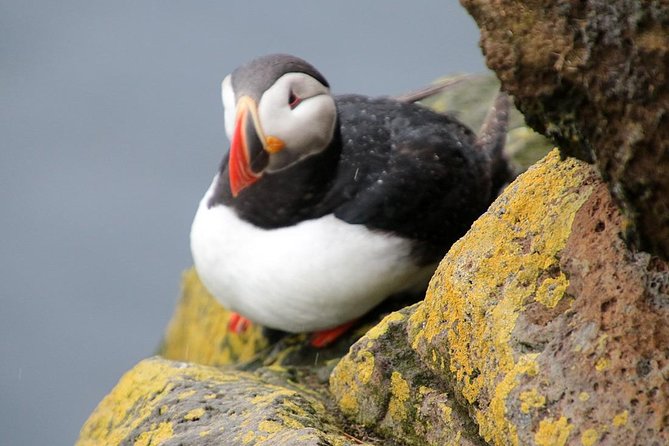
Latrabjarg is one of the tour’s strongest wildlife and coastal stops. These cliffs extend for about 14 kilometers and rise as much as 400 meters above the sea. The schedule allows an hour to see seabirds, including puffins when conditions and season cooperate. The cliff edge requires care, and the path can feel exposed.
Day 10 continues along the southern Westfjords, among the least populated parts of Iceland. Raudasandur is known for red sand, a striking change from the black beaches seen earlier. The hour-long stop gives you time to take in the color and open setting without rushing through a single photograph.
Days 11 and 12: Snæfellsnes and the final inland sights
Kirkjufellsfoss is a short stop at one of Iceland’s most photographed waterfalls, often framed with Kirkjufell mountain. You receive about 20 minutes, so the visit is designed for a clear view rather than a long walk.
Djupalonssandur is a basalt-pebble beach with a rugged coastal character. The 45-minute stop also includes a short stroll along coastal cliffs, where you may see birdlife and other natural features. This is another place for good footwear and caution near the water.
Day 12 turns inland. Grabrok Crater offers a 30-minute walk to the top of an old volcano. The climb is short, but the terrain and weather can make it more demanding than the time suggests.
At Hraunfossar, water appears to flow from beneath the lava, creating a series of broad, unusual cascades. Nearby Barnafoss has a different, more forceful character. Together they make a fine final sightseeing day, especially for anyone interested in how Iceland’s volcanic ground shapes its rivers.
Meals, hotels, and the real value of $7,228.71
The price is $7,228.71 per person. That is a serious sum, but it covers 12 nights of accommodation, 12 breakfasts, 11 dinners, guiding, the Skogar Museum, and the Glacier Lagoon boat tour. Airfare, lunches, beverages, and other unlisted services are extra.
Iceland is expensive on the ground, especially for food and transport. By including dinner and breakfast, the tour removes two daily decisions and protects you from some restaurant costs. You should still budget carefully for lunch and drinks. One useful approach is to bring picnic supplies, if practical. Jens has helped people find suitable places to stop for a packed lunch, and that can reduce expenses.
The accommodations are described as good and often located in small family-run farmhouses or remote country properties. The standard is not luxury, but the rural locations are part of the appeal. You may value a quiet farmhouse dinner more than a polished city hotel.
The key tradeoff is convenience. You pay for someone else to drive more than 3,000 kilometers, organize the route, explain the places you see, manage hotel arrivals, and adjust plans when weather interferes. If you would rent a car, arrange 12 nights, plan meals, and book the same paid activities yourself, the price may look more reasonable. If you already enjoy independent planning, the premium may feel harder to justify.
Who should choose this Iceland tour?
I would recommend it most strongly to you if you want to see Iceland in depth without driving. It suits people who enjoy scenery, geology, local stories, light hiking, and small towns. Solo visitors may also appreciate the small vehicle and built-in company.
It is less suitable if you want a relaxed base with several nights in one hotel, a luxury vehicle, long restaurant lunches, or strenuous outdoor adventures. The tour is not presented as a hard-core adventure trip, but it does require steady walking and a willingness to spend many hours on the road.
Weather may force changes. The operator can alter the route because of weather or other conditions outside its control, which is normal for a country with exposed roads and fast-changing conditions. I would leave extra time before or after the tour if you want to see more of Reykjavik.
The experience is non-refundable and cannot be changed after booking. Also, the information gives Hotel Klettur as the start, while Day 13 says you make your way to Keflavik Airport and the meeting details say the activity ends back at the meeting point. Confirm the exact final drop-off before paying.
Should you book the Great Round Tour?
Book it if your priority is seeing nearly every side of Iceland in one organized trip, including the Westfjords and places beyond the standard Ring Road. The route is unusually broad, the group is small, and the included dinners and breakfasts make the cost easier to understand.
Skip it if you want a leisurely pace or luxury transport. For the right person, this is a highly efficient way to experience waterfalls, glaciers, lava fields, fishing villages, bird cliffs, and farm country without the strain of driving. The strongest reason to choose it is Jens Olafsson’s hands-on management and the route’s reach into Iceland’s quieter corners.
FAQ
How long is the Great Round Tour?
The tour lasts approximately 13 days and includes 12 nights of accommodation.
Where does the tour begin?
The stated starting point is Hotel Klettur, Mjolnisholt 12-14, 105 Reykjavik, Iceland.
Where does the tour end?
Day 13 says you make your way to Keflavik Airport. The meeting information also says the activity ends back at the meeting point, so you should confirm the exact final drop-off before booking.
How many people can join the tour?
The maximum group size is 12 travelers.
What meals are included?
The price includes 12 breakfasts and 11 dinners. Lunch and beverages are not included.
Is airfare included?
No. Flights to and from Iceland are not included.
Is the Glacier Lagoon boat tour included?
Yes. The Glacier Lagoon boat tour is included in the price.
What level of fitness is required?
A moderate level of physical fitness is recommended. The tour includes walking and light hikes, including the route to Svartifoss and the walk to the top of Grabrok Crater.
Added around Reykjavik recently
- Reykjavik: Whale and Puffin Watching RIB Boat Tour★ 4.6 · 179 reviews
- Reykjavik: Whale Watching & Lava Show★ 5.0 · 4 reviews
- Reykjavik: Whale Watching Express★ 4.3 · 227 reviews
- Reykjavik: Whale & Marine Adventure Tour★ 4.3 · 71 reviews
- From Reykjavík: Viking Horseback Tour in Hafnarfjörður★ 4.9 · 112 reviews
- Reykjavík: Horse Riding Tours★ 4.9 · 127 reviews
- Day Trip to Snæfellsness Peninsula from Reykjavik★ 5.0 · 7 reviews
- Private Luxury Transfer from Reykjavik to Blue Lagoon★ 5.0 · 1 review
Tours, compared.
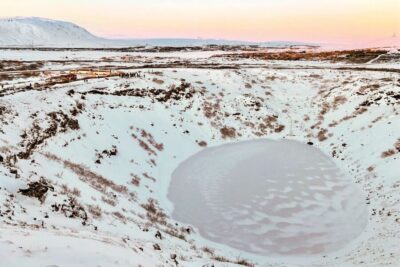
Golden Circle Full-Day Tour with Kerid Crater
Read our review →
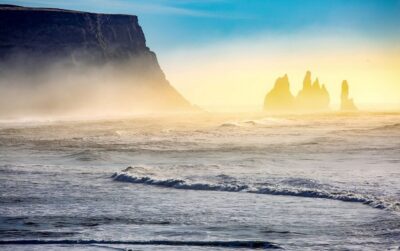
South Coast Waterfalls, Black Sand & Glacier Tour
Read our review →
Iceland South Coast Full Day Small-Group Tour from Reykjavik
Read our review →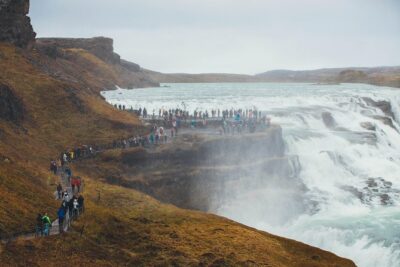
Golden Circle Classic Day Tour from Reykjavik
Read our review →
Reykjavík Small group Walking Tour – by CityWalk
Read our review →