Review · REYKJAVIK TOURS
The Icelandic Storyteller
Stories can explain Iceland better than a map. The Icelandic Storyteller brings 20 tales from across Iceland into a cozy baðstofa, a traditional sitting room, where folklore, history, humor, and a few spooky moments unfold in English. I like the intimate setting and the way the stories connect Iceland’s past with its culture today. The included drink, from coffee and cocoa to wine or beer, is another thoughtful touch.
I also like that this is more than a simple performance. You can ask questions and discuss how Icelanders preserved stories through long winters, isolation, and difficult conditions. The main consideration is that the experience lasts only 1.5 hours, so you get a lively sample rather than a full course in Icelandic literature. Some tales may also be scary for young children.
In This Review
- Key points about The Icelandic Storyteller
- Entering the baðstofa in downtown Reykjavik
- Twenty stories instead of twenty sightseeing stops
- How harsh winters shaped Icelandic storytelling
- Paul’s storytelling style and the role of the guide
- The drink before the stories begin
- What the 90-minute schedule feels like
- Is $66 a fair price?
- Who will enjoy this experience most?
- Practical advice before you book
- Should you book The Icelandic Storyteller?
- FAQ
- Where does The Icelandic Storyteller take place?
- How long does the experience last?
- What language is the experience in?
- Is a drink included?
- Is food included?
- Can children attend?
Key points about The Icelandic Storyteller
- Twenty stories in ninety minutes: You travel across Iceland through spoken tales rather than by bus, with each story offering a different glimpse of local life, folklore, or history.
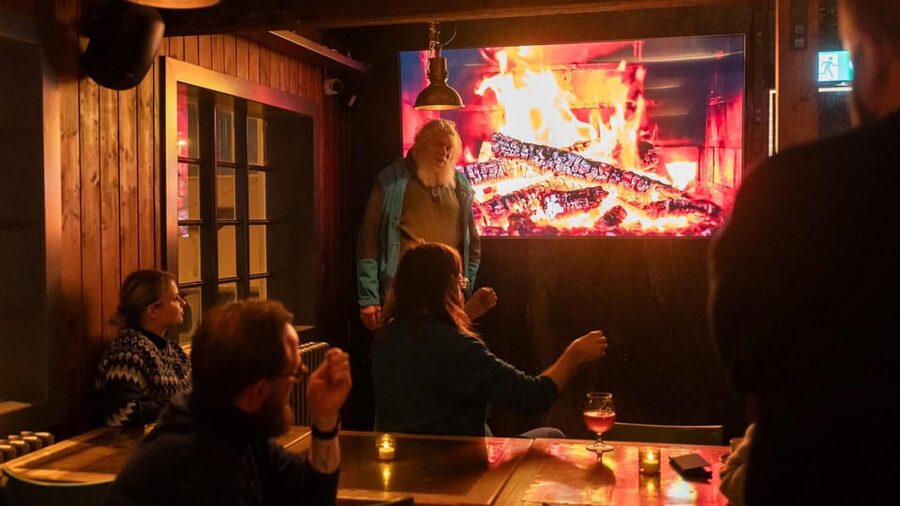
- A traditional baðstofa setting: The sitting room creates a warm, close atmosphere that feels far removed from a large theater or standard sightseeing tour.
- A storyteller-led evening: Paul, the guide named in one recent booking, is praised for his wide knowledge and ability to keep the tales flowing.
- One drink included: Choose from wine, beer, soda, coffee, or cocoa before the experience begins.
- English-language and wheelchair accessible: The format is simple to follow, with a live guide and no complicated transport between stops.
- Best for culture seekers: This suits you if you want context for Icelandic sagas, folklore, and modern identity, not just another view from a lookout.
Entering the baðstofa in downtown Reykjavik
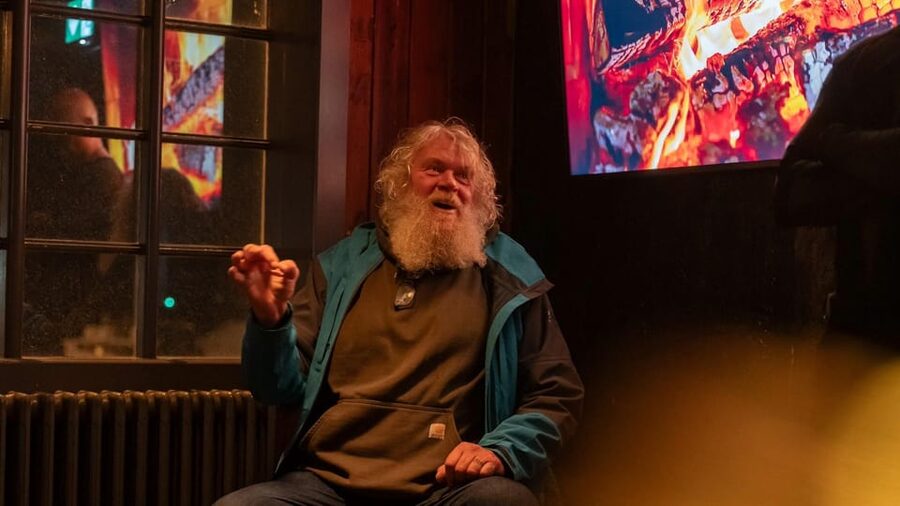
You meet at the Old Harbour House and are asked to check in 30 minutes before the experience starts. That early arrival matters because the storytelling begins on time, and the setting is designed for a small, intimate presentation rather than a drop-in activity.
The baðstofa is the heart of the experience. Traditionally, this was a shared sitting room in an Icelandic home, a place where people worked, talked, and passed long winter hours together. Here, it gives the evening a clear sense of place. You are not listening to Icelandic stories in a generic conference room. You are sitting in a setting linked to the social world that helped keep those stories alive.
That atmosphere should appeal to you if you prefer personal contact over polished stage production. The room encourages attention and conversation. It also means the experience depends heavily on the storyteller’s energy, timing, and style. A quiet audience may find the format especially absorbing, while anyone expecting a large theatrical show could find it more subdued.
Worth a second look around Reykjavik
- Reykjavik: Golden Circle Full-Day Tour with Kerid Crater
★ 4.8 · 24,485 reviews - Reykjavik Food Walk – Local Foodie Adventure in Iceland
★ 5.0 · 18,952 reviews - Iceland: Northern Lights Bus Tour from Reykjavik
★ 4.1 · 11,161 reviews
Twenty stories instead of twenty sightseeing stops
The phrase travel across Iceland in 20 stories describes the structure well. You do not physically leave Reykjavik, and there is no transport between locations. Instead, the guide takes you around the country through a series of tales.
The exact stories can vary, but the purpose is clear: to show how Icelandic people made sense of their surroundings, their ancestors, danger, weather, isolation, and the unknown. The stories offer a cultural route through the country, one that complements a road trip or a visit to museums.
This format is useful early in your Iceland trip. It gives you ideas and references that may make later places feel more meaningful. It can also work well at the end of a trip, when you have seen Iceland’s scenery and want to think about the people and ideas behind it. One recent booking described it as a fine way to end an Iceland visit, and I can see why. It provides reflection without demanding another long outing.
Do not expect a carefully numbered lecture with a complete account of Icelandic history. You will hear many stories in a short time, and the details may come quickly. One audience member enjoyed the experience but admitted that only a small portion of the many tales stayed in memory. That is a fair warning. Treat the evening as a collection of memorable impressions, not a study guide.
How harsh winters shaped Icelandic storytelling
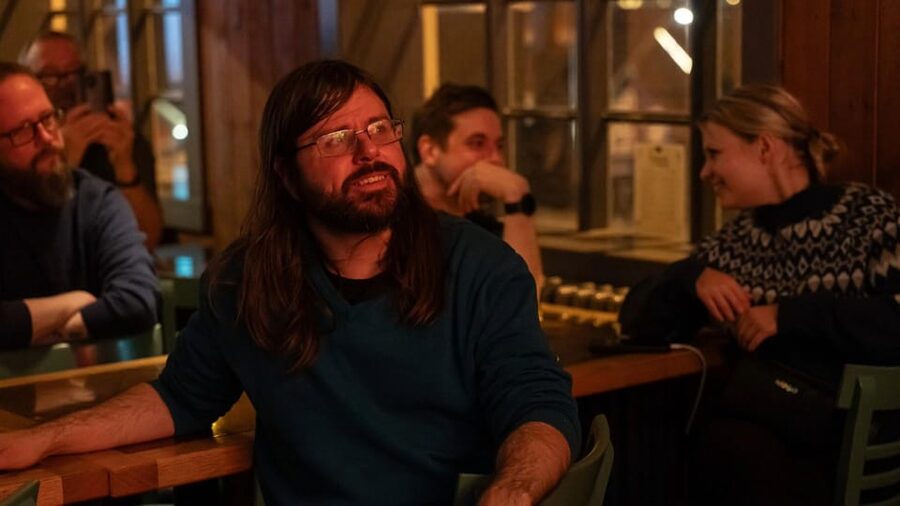
The strongest part of the experience is its explanation of why storytelling mattered so much. Iceland’s early communities faced long winters, limited contact with the outside world, and difficult living conditions. Spoken stories helped pass on family knowledge, beliefs, humor, warnings, and ideas about right and wrong.
The guide explains how those conditions shaped Iceland’s literary tradition. Ancient sagas are part of that story, but the discussion also reaches toward Iceland’s modern creative life. You begin to see that storytelling here is not only about old heroes and supernatural creatures. It is part of how Icelanders have understood identity and community across generations.
This context gives the tales more weight. A ghost story is not simply a spooky diversion. A saga is not just an old adventure. Each can reveal what people feared, admired, remembered, or hoped to control.
I especially like this approach because it avoids treating folklore as a museum object. The stories are presented as part of a living culture. You can ask questions, compare ideas, and discuss why these tales still matter. That conversation is valuable if you want to understand Iceland beyond its waterfalls, volcanoes, and famous views.
Paul’s storytelling style and the role of the guide
The guide makes or breaks any spoken storytelling experience. One recent audience member identified the storyteller as Paul and described him as someone who could talk at length and seemed to know something about everything. That is a useful clue about the tone: expect an enthusiastic guide with plenty to say, rather than a short, tightly scripted presentation.
Other feedback praises the guide as a master storyteller and highlights the way Icelandic history and folklore are tied to modern culture. That connection is the feature I would value most. Facts are easy to forget. A strong story gives those facts a shape you can remember.
Paul’s wide-ranging style will suit you if you enjoy follow-up questions and a guide who can move between subjects. If you prefer a quick, highly structured talk, the free-flowing format may feel less predictable. The experience leaves room for discussion, so your group’s questions may influence the rhythm of the evening.
The tone is meant to be fun, with the possibility of a few goosebumps. The scary parts are not hidden behind a warning-free family label. Some stories may unsettle young children, so parents should consider the age and sensitivity of the children in their group.
Now for something with a completely different feel:
- Reykjavík: South Coast Waterfalls, Black Sand & Glacier Tour
★ 4.8 · 11,030 reviews - Reykjavík: Whale Watching and Marine Life Cruise
★ 4.6 · 9,838 reviews - Reykjavik: Sky Lagoon Entrance Pass With 7-Step Spa Ritual
★ 4.8 · 6,166 reviews - From Reykjavik: Golden Circle, Kerid, & Secret Lagoon Tour
★ 4.8 · 6,009 reviews
The drink before the stories begin
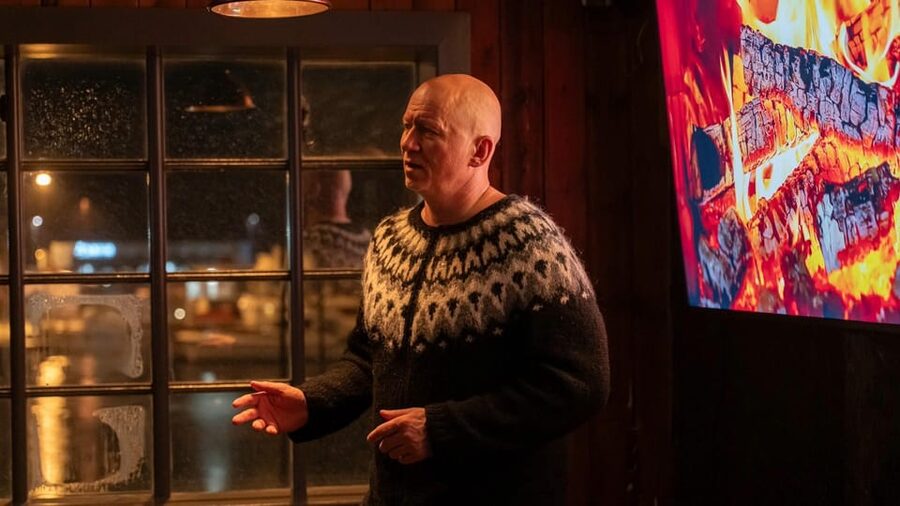
Your ticket includes one drink before the experience starts. You can choose wine, beer, soda, coffee, or cocoa.
That choice helps set the mood. Coffee or cocoa fits the old sitting-room atmosphere, while wine or beer may suit an evening booking. The drink is a small inclusion, but it adds value to a short indoor activity and gives you a gentle start before the guide begins.
Food is not included, and this is not a dinner event. Plan to eat separately if you need a full meal. The absence of food is not a serious flaw, but you should know that the included drink is the only refreshment specified.
Because the activity lasts 90 minutes, it fits neatly between dinner and other Reykjavik plans. You do not need to reserve an entire day for it, and there is no weather issue to worry about once you arrive. That makes it a useful choice for a rainy evening or a break from outdoor sightseeing.
What the 90-minute schedule feels like
The experience begins with check-in at the Old Harbour House, where you should arrive 30 minutes early. The early check-in can feel generous for a short activity, but it protects the start time and gives the group a chance to settle before the storytelling begins.
The opening portion introduces the setting and the broad role of stories in Icelandic life. From there, the guide moves through the collection of 20 tales, linking them to the country’s early settlers, beliefs, values, and creative traditions.
As the session continues, the focus shifts between entertainment and explanation. A story may bring a laugh, raise a question, or send a small shiver through the room. The guide then provides context, helping you understand how the tale fits into Icelandic culture.
The final part leaves room for questions and discussion. This is important because the experience is not simply a one-way reading. You can ask about the stories, their continuing importance, or the connection between older traditions and Iceland today.
The pace is necessarily brisk. Twenty stories in 90 minutes means that many receive only a short telling. If one tale catches your interest, note its name or ask the guide for more information before you leave.
Is $66 a fair price?
At $66 per person, The Icelandic Storyteller is not the cheapest way to spend 90 minutes in Reykjavik. You are paying for a hosted cultural presentation, a special setting, live English-language storytelling, and a drink. There is no meal, transport, or large collection of physical sights included.
The value depends on what you want from your Iceland trip. If you measure value by the number of attractions checked off, the price may seem high. If you want a focused cultural experience with a live guide, the cost is easier to justify.
I see it as a good use of money for you if you have already seen plenty of scenery and want a stronger sense of Icelandic identity. It also offers something that a standard city walk may not: time to listen, reflect, and ask questions in one place.
The high rating of 4.7 from seven listed bookings supports the idea that the format works well for its intended audience. Still, the small number of ratings means I would not treat that score as the final word. One person found the event less busy than expected. If you enjoy a lively crowd, a small turnout could make the room feel quieter than planned. If you prefer personal attention, that same small group may be a benefit.
Who will enjoy this experience most?
I would recommend it most strongly to:
- Readers and history lovers who want a doorway into Icelandic sagas and literary traditions.
- Culture-focused couples and solo visitors looking for an evening activity with conversation.
- Repeat visitors to Reykjavik who have already covered the major sights and want something different.
- Families with older children and teenagers who can handle frightening folklore.
- Rainy-day planners who want a scheduled indoor activity.
- Visitors finishing an Iceland trip who want an entertaining way to connect the places they have seen with Icelandic culture.
I would be more cautious if you want food, live music, a dramatic stage show, or a physically active outing. This is a seated storytelling session. Its rewards come from the guide’s voice, the ideas behind the stories, and the atmosphere of the room.
The experience is listed as wheelchair accessible, which makes the simple indoor format easier for many people to consider. You should still confirm any personal access needs when booking, since the available details do not describe the exact layout of the building or seating.
Practical advice before you book
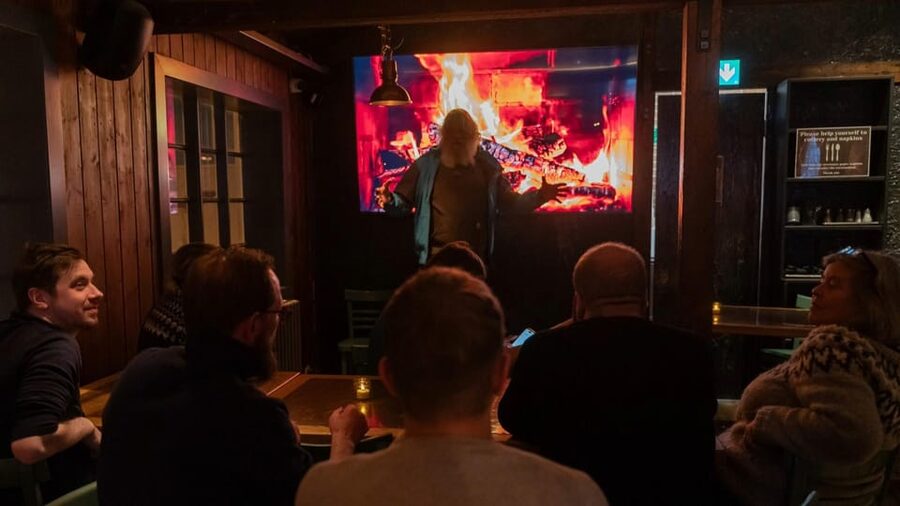
Arrive at the Old Harbour House 30 minutes before the start. That is the clearest practical tip, and missing the opening could mean losing the introduction that explains the setting and purpose of the session.
Choose your drink with the evening in mind. Coffee or cocoa suits a quiet cultural night, while beer or wine may work better as part of an adult evening plan. Remember that no food is included.
Think about your attention span. The guide covers 20 stories in 90 minutes, so you will hear a lot. You may remember a few standout tales rather than every name and detail. That is normal for this kind of presentation.
If you are bringing children, prepare them for some frightening material. The experience is not described as a children’s show, and the warning about scary stories should be taken seriously.
The activity is conducted in English, with a live guide. You should feel comfortable following spoken English for the full 1.5 hours, since the storytelling and discussion are the main event.
Free cancellation is available up to 24 hours before the start for a full refund. You can also reserve and pay later, which helps if your Iceland schedule depends on weather, flight times, or changing plans.
Should you book The Icelandic Storyteller?
Book it if you want Iceland through voices and ideas, not only through scenery. The baðstofa setting, the 20-story format, the included drink, and the link between folklore and modern culture give the evening a clear purpose.
I would especially choose it for a rainy night, a final evening in Reykjavik, or a trip where you want more local context. I would skip it if your main goal is a meal, a large theatrical production, or a busy social event.
At $66, it is a considered purchase rather than an automatic bargain. But if Paul or another strong storyteller leads your session, the experience can give you something many sightseeing stops cannot: a memorable sense of how Icelanders have used stories to understand their country and themselves.
FAQ
Where does The Icelandic Storyteller take place?
The experience takes place in a traditional Icelandic baðstofa, or sitting room, at the Old Harbour House in downtown Reykjavik.
How long does the experience last?
The storytelling session lasts 1.5 hours.
What language is the experience in?
The live tour guide speaks English, and English is the listed language for the activity.
Is a drink included?
Yes. You can choose one drink before the experience, including wine, beer, soda, coffee, or cocoa.
Is food included?
No. Food of any kind is not included.
Can children attend?
Children can attend, but some of the stories may be scary for young children. Parents should consider their child’s age and sensitivity before booking.
Added around Reykjavik recently
- Reykjavik: Whale and Puffin Watching RIB Boat Tour★ 4.6 · 179 reviews
- Reykjavik: Whale Watching & Lava Show★ 5.0 · 4 reviews
- Reykjavik: Whale & Marine Adventure Tour★ 4.3 · 71 reviews
- Reykjavik: Whale Watching Express★ 4.3 · 227 reviews
- From Reykjavík: Viking Horseback Tour in Hafnarfjörður★ 4.9 · 112 reviews
- Reykjavík: Horse Riding Tours★ 4.9 · 127 reviews
- Day Trip to Snæfellsness Peninsula from Reykjavik★ 5.0 · 7 reviews
- Private Luxury Transfer from Reykjavik to Blue Lagoon★ 5.0 · 1 review
Reykjavik Tours, compared.
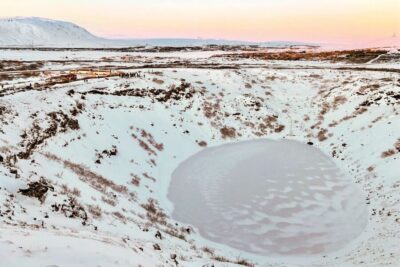
Golden Circle Full-Day Tour with Kerid Crater
Read our review →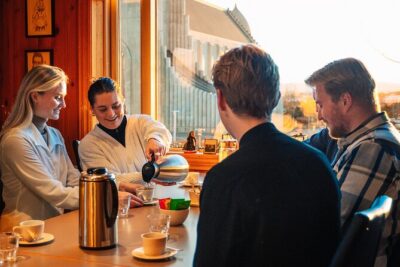
Reykjavik Food Walk – Local Foodie Adventure in Iceland
Read our review →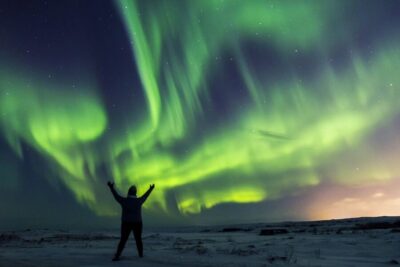

South Coast Waterfalls, Black Sand & Glacier Tour
Read our review →
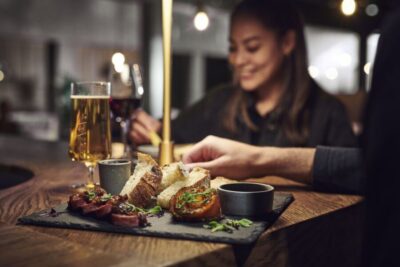
Sky Lagoon Entrance Pass With 7-Step Spa Ritual
Read our review →