

Review · MUSEUMS
Reykjavík: National Museum of Iceland Entry Ticket
Iceland’s past fits under one roof. This museum makes the country’s story easy to follow, from the ship that carried medieval settlers across the North Atlantic to the modern airport that connects Iceland with the wider world. I like the strong timeline and the rare artifacts, especially the small Thor figure dated to around the year 1000. I also like that the ticket includes temporary exhibitions, WiFi, and an audio guide in 10 languages.
The main drawback is that some displays may feel lightly labeled. If you want a detailed explanation of every object, the audio guide will help, but the exhibition layout can take a little effort to follow. The museum is also more rewarding for adults and older children than for very young kids.
In This Review
- Key points about the National Museum of Iceland
- Why this museum matters in Reykjavík
- Starting with the ship and the Settlement Age
- Medieval churches, triptychs, and changing beliefs
- The 16th-century Bible and Icelandic print culture
- Around 2,000 objects from settlement to modern life
- A clear timeline, with a few signs to watch
- Temporary exhibitions and the museum shop
- How much time should you allow?
- Is the $20 price good value?
- Who will enjoy it most?
- Should you book the National Museum of Iceland?
- FAQ
- Where is the National Museum of Iceland?
- How much does admission cost?
- How long is the ticket valid?
- Does the ticket include temporary exhibitions?
- Is an audio guide included?
- Is WiFi available?
- Is transportation included?
- Can I bring luggage or a large bag?
- Is the museum wheelchair accessible?
- Can I cancel for a full refund?
Key points about the National Museum of Iceland
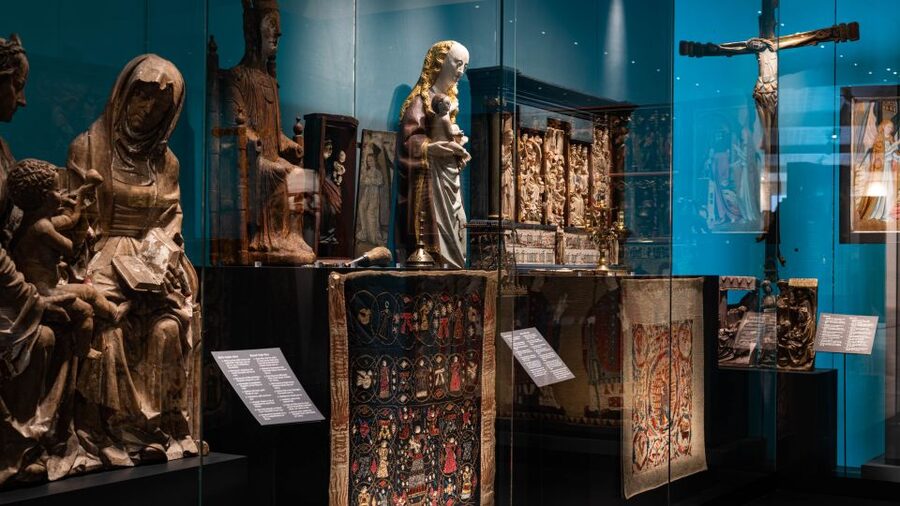
- The story begins with a settler’s ship: The permanent exhibition uses the vessel that carried Iceland’s first medieval settlers as its opening image.
- A tiny Thor figure steals the show: The figure, dated from around the year 1000, connects Iceland’s Viking Age past with Norse belief.
- About 2,000 objects cover the full timeline: You move from the Settlement Age through church history, print culture, daily life, and modern Iceland.
- The famous Icelandic Bible is here: A 16th-century Bible, regarded as one of Iceland’s most beautiful printed works, is among the highlights.
- Your ticket lasts 365 days: This gives you unusual flexibility, though you should still check available starting times before visiting.
- The museum works well on a rainy day: Reykjavík weather can change quickly, and this is a useful indoor stop with plenty to occupy you for roughly 90 minutes or more.
Why this museum matters in Reykjavík
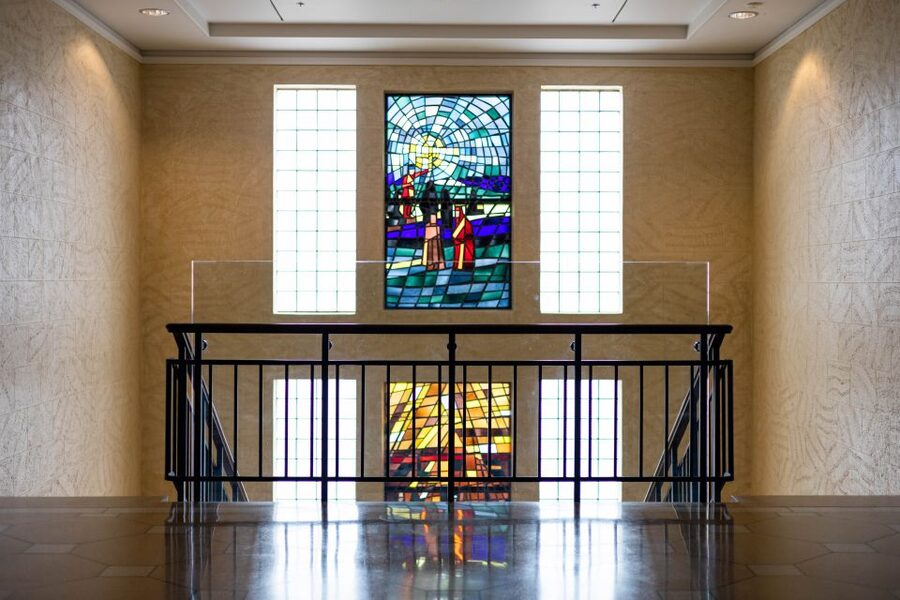
Iceland can look young at first glance. Its modern capital, roads, geothermal pools, and compact towns do not immediately reveal the long story behind the country. The National Museum gives you that missing context.
The exhibition asks a simple question: What makes a nation? That question keeps the collection from becoming a random pile of old objects. Instead, the museum connects settlement, religion, language, work, art, politics, and modern life.
You begin with the people who crossed the ocean to make a home here. You finish at a modern airport, Iceland’s doorway to the rest of the world. That framing helps you see Iceland not only as a place of dramatic scenery, but as an isolated nation shaped by travel, survival, faith, trade, and contact with other countries.
I like this approach because it gives meaning to the objects. A church artifact is not just a pretty carving. A book is not just an old book. Each item helps explain how Icelanders built a society in a remote part of the North Atlantic.
More museums in Reykjavik:
- Reykjavik: Perlan Museum Wonders of Iceland Entrance Ticket
★ 4.7 · 2,575 reviews - Reykjavík: Hop-On Hop-Off Bus and Perlan Museum Entry Ticket
★ 4.3 · 719 reviews - Reykjavik: Whales of Iceland Museum Entrance Ticket
★ 4.4 · 493 reviews
Starting with the ship and the Settlement Age
The permanent exhibition opens with the ship that medieval settlers used to cross the ocean. This is an effective beginning because it puts the physical challenge of Iceland’s settlement first. Before you reach the famous Viking objects, you are reminded that getting to Iceland required skill, courage, and a sturdy vessel.
The early section focuses on the Settlement Age and the first stages of Icelandic society. You will find artifacts connected with the country’s Viking era, along with objects that show how people lived, worshipped, and organized their communities.
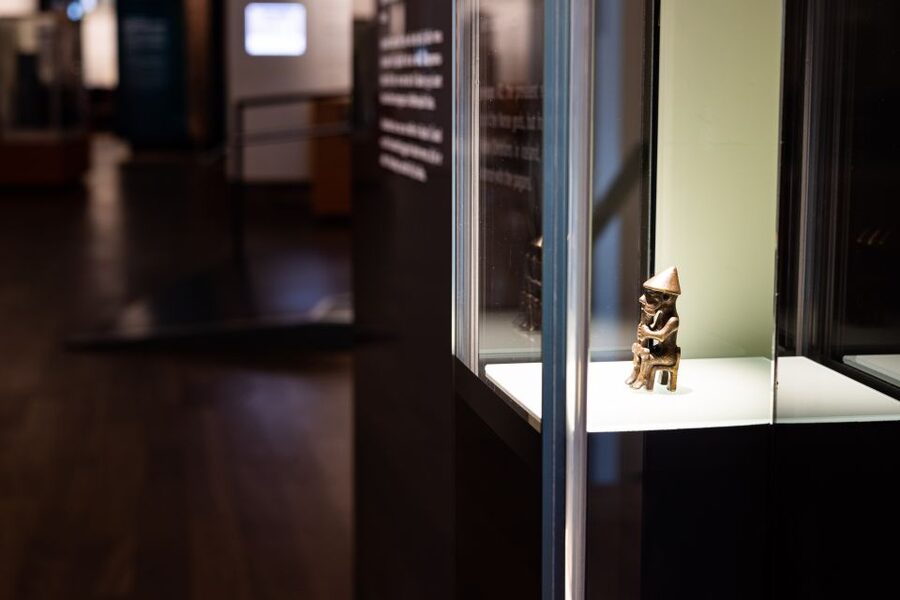
The star here is the small figure of Thor, dated from around the year 1000. Thor is one of the best-known figures in Norse mythology, but the object’s value is more than its name recognition. It gives you a direct link to the beliefs of people living in Iceland around the time Christianity was taking hold.
The scale of the piece also makes it memorable. Viking history is often presented through swords, ships, and large monuments. A small figure can feel more personal. It suggests that beliefs were carried in everyday life, not only displayed in grand buildings.
If Viking culture is your main reason for visiting, plan to slow down in this part of the museum. The National Museum is not only about Vikings, but the early collection gives you a useful foundation before you move into later periods.
Medieval churches, triptychs, and changing beliefs
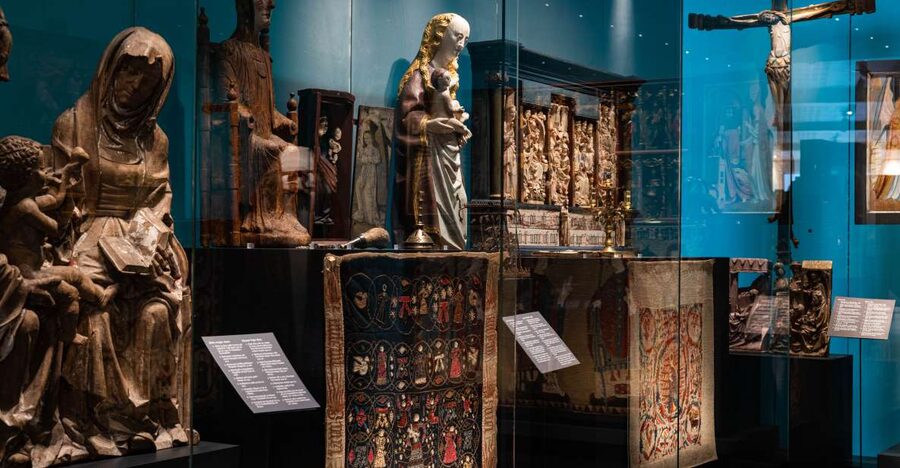
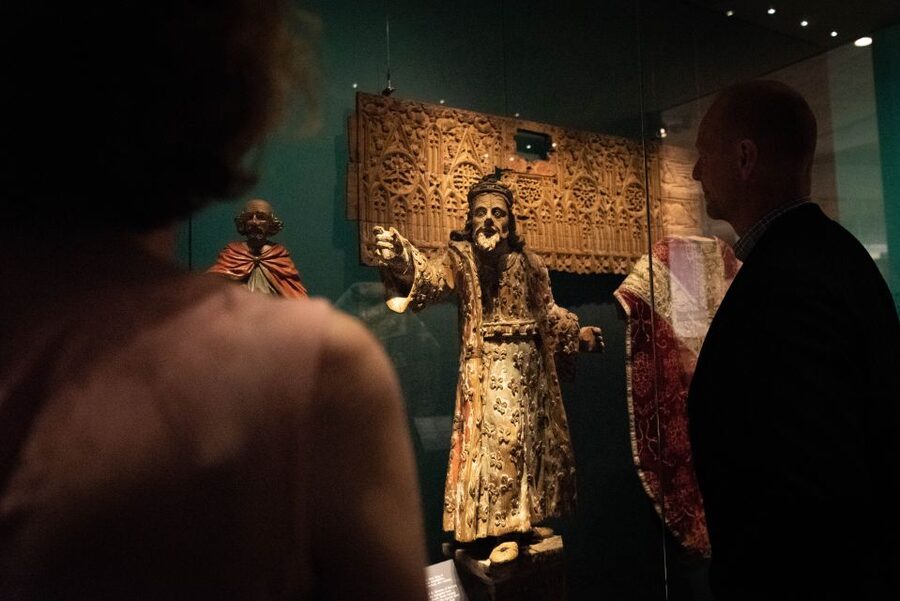
The museum’s medieval church objects add another important layer. Iceland’s religious life changed as Christianity replaced the older Norse faith, and the artifacts help you see that shift through art and worship.
You might find medieval carvings, church pieces, and painted works that are especially valuable because Iceland’s climate and remote location make surviving historic objects important. Triptychs are among the pieces worth watching for, particularly if you enjoy religious art.
This section is also a good reminder that Icelandic history is not only about exploration and hardship. Religion shaped visual art, community life, celebrations, and ideas about authority. The museum lets you see those changes through objects rather than only through written dates.
Some visitors may wish for longer labels beside each piece. The displays provide context, but they do not always explain every object in great depth. I suggest using the audio guide when you want more help, and taking your time with pieces that catch your eye instead of trying to read every label.
The 16th-century Bible and Icelandic print culture
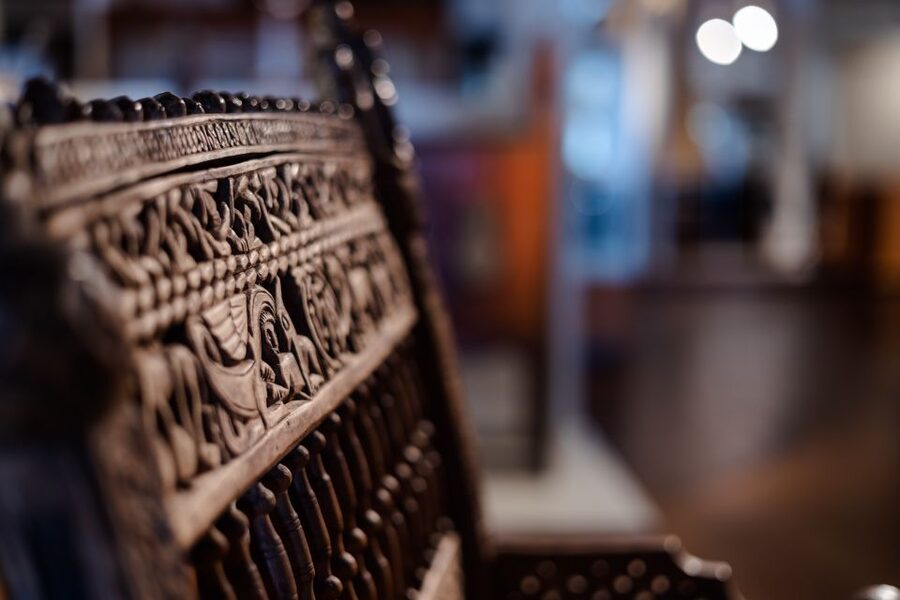
One of the museum’s notable objects is the first Bible printed in Iceland in the 16th century. It is still regarded as one of the country’s most beautiful printed works.
This Bible matters for more than its appearance. In a country separated from mainland Europe by the sea, printed religious works helped preserve language, beliefs, and education. The book points to a major change in how information could be shared and kept.
It also gives the collection a useful balance. The early galleries include objects linked to oral tradition, religion, and settlement. The Bible shows the growing importance of printed words. You can see Icelandic culture not as something frozen in the Viking Age, but as something that continued to develop.
I would spend a few minutes here even if you are not especially interested in books. The object represents a turning point, and it helps explain why language and literature remain so important to Iceland’s identity.
Worth a second look around Reykjavik
- Reykjavik: Golden Circle Full-Day Tour with Kerid Crater
★ 4.8 · 24,485 reviews - Reykjavik Food Walk – Local Foodie Adventure in Iceland
★ 5.0 · 18,952 reviews - Iceland: Northern Lights Bus Tour from Reykjavik
★ 4.1 · 11,161 reviews - Reykjavík: South Coast Waterfalls, Black Sand & Glacier Tour
★ 4.8 · 11,030 reviews
Around 2,000 objects from settlement to modern life
The permanent exhibition includes about 2,000 artifacts, dating from the Settlement Age to the present day. That is enough material to give you a broad view, but it also means you should not expect to absorb everything in one quick pass.
The collection includes photographs from the 20th century, which help bring the more recent sections closer to daily life. Instead of ending with medieval Iceland, the exhibition follows the country into the modern period.
This full timeline is one of the museum’s strongest features. You can trace how a remote settlement became a modern nation while still carrying older traditions. The museum gives you a way to connect the historic objects with the Iceland you see outside.
Some displays include interactive elements, which can make the material easier to approach. Still, the museum is information-heavy. If you rush through, the objects may blur together. A visit of about 90 minutes gives you a reasonable first look, while anyone with a strong interest in Icelandic culture may want longer.
The exhibition does not require you to know Icelandic history before arriving. That makes it a useful first museum visit in Reykjavík. You will have more context for the Settlement Exhibition, Maritime Museum, and other cultural sights afterward.
A clear timeline, with a few signs to watch
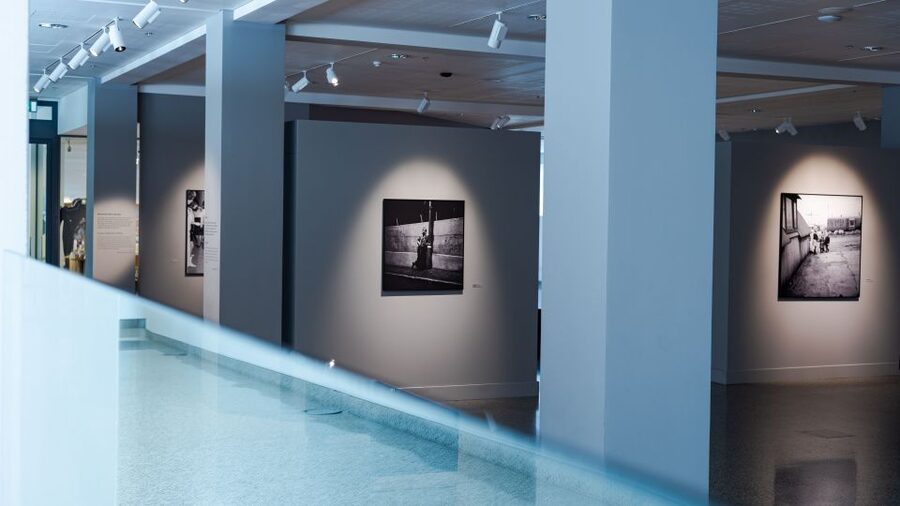
The museum is designed as a journey through time, but the route is not perfectly effortless for everyone. Numbering and sequence can occasionally feel less clear than expected, with some displays spread out rather than forming one obvious line.
My practical advice is to pay attention to the overall movement of the exhibition instead of treating every case as a separate stop. Keep the opening ship and closing airport in mind. They provide the broad structure even when individual sections require a little orientation.
The audio guide can also help you keep the chronology straight. It is available in English, Danish, French, Polish, Spanish, Dutch, Swedish, Icelandic, Italian, and Chinese. English speakers are not limited to the printed information, and visitors who prefer another language have a useful option.
You should also allow time to speak with museum staff if someone is available. One visitor particularly enjoyed being able to ask a staff member about selected objects instead of relying only on recorded commentary. That kind of conversation can make the collection feel more immediate.
Temporary exhibitions and the museum shop
Your admission includes access to the museum’s temporary exhibitions. These change over time, and most focus on Icelandic culture.
That makes the ticket more useful than a one-gallery visit. You may find a temporary display that adds a sharper focus to a part of Icelandic life, art, or social history that the permanent collection can only cover briefly.
The museum shop is also worth a look. It sells exclusive replicas of archaeological finds, which can be a better souvenir than a generic Icelandic gift. A small replica gives you a physical reminder of the objects you saw and may be especially appealing if the Thor figure or another early artifact becomes your favorite.
Because temporary exhibitions change, I would check what is showing on the date of your visit if a particular theme matters to you. The permanent exhibition remains the main reason to go, but the changing displays can alter the feel of a return visit.
How much time should you allow?
The practical minimum is about 90 minutes. That gives you time to see the main sections, pause at the most important objects, and get a sense of the full timeline.
If you enjoy museums, books, medieval art, or Icelandic culture, allow more time. The 2,000-object collection rewards a slower pace, especially in the sections covering religion, printed works, and modern life.
The ticket is valid for 365 days, which is unusually flexible. You should check availability for starting times, but the long validity period is useful if your Reykjavík plans change or if you want to return to see a temporary exhibition.
You do not get transportation with the ticket. You make your own way to the National Museum and show your ticket at the reception desk. The ticket lets you skip the ticket line, which is convenient, though you still need to check in at reception.
Large bags and luggage are not allowed. Do not plan to arrive with your airport cases and expect to carry them through the museum. Wheelchair access is available, and WiFi is included.
Is the $20 price good value?
At $20 per person, this is not the cheapest short stop in Reykjavík. Its value depends on how much attention you give the collection.
For a quick look at a few Viking objects, the price may feel high. For a museum visit that covers Iceland from the Settlement Age to the present, includes temporary exhibitions, and provides an audio guide in 10 languages, the cost is easier to justify.
I especially see the value for first-time visitors. The museum helps you understand the country beyond the popular Viking label. You get settlement, religion, printing, art, photographs, and modern national identity in one place.
The 365-day validity also gives the admission more flexibility than a standard single-day ticket. If you return to Reykjavík within that period, you may be able to use the same ticket, subject to the stated availability details.
Who will enjoy it most?
I would recommend this museum to adults, history fans, museum lovers, and anyone who wants a better understanding of Icelandic culture. It is also a good choice for a rainy day, when the weather makes outdoor plans less appealing.
Families can enjoy it, especially if older children are interested in Viking objects or interactive displays. Very young children may lose patience because much of the visit involves reading, looking closely, and following a long historical sequence.
The museum also suits visitors who want to pair cultural stops. If Vikings are your priority, combine it with Reykjavík’s Settlement Exhibition. If you prefer more recent history, the Maritime Museum and its coverage of the Cod Wars make a useful companion.
I would not choose it as a rushed airport-day activity if you have luggage with you. The no-large-bags rule and the amount of material make it better as a planned stop.
Should you book the National Museum of Iceland?
Book it if you want context for the country you are seeing. The museum’s best features are the complete timeline, the Thor figure from around the year 1000, the medieval church art, and the first Bible printed in Iceland.
You should know that some object descriptions may feel brief and that the route is not always perfectly obvious. Use the audio guide, slow down at the pieces that interest you, and allow at least 90 minutes.
At $20, I consider it a worthwhile Reykjavík visit for history-minded adults and older children, especially in poor weather. Skip it only if your schedule is extremely tight or your interest is limited to outdoor scenery.
FAQ
Where is the National Museum of Iceland?
The museum is in Reykjavík, in Iceland’s Capital Region. You show your ticket at the reception desk inside the National Museum of Iceland.
How much does admission cost?
The stated price is $20 per person.
How long is the ticket valid?
The ticket is valid for 365 days. Check availability for starting times before visiting.
Does the ticket include temporary exhibitions?
Yes. Admission includes all exhibitions at the museum, including temporary exhibitions.
Is an audio guide included?
Yes. An audio guide is included in English, Danish, French, Polish, Spanish, Dutch, Swedish, Icelandic, Italian, and Chinese.
Is WiFi available?
Yes. WiFi is included with the museum admission.
Is transportation included?
No. Transportation to the National Museum of Iceland is not included.
Can I bring luggage or a large bag?
No. Luggage and large bags are not allowed.
Is the museum wheelchair accessible?
Yes. The museum is wheelchair accessible.
Can I cancel for a full refund?
Yes. You can cancel up to 24 hours in advance for a full refund.
Added around Reykjavik recently
- Reykjavik: Whale and Puffin Watching RIB Boat Tour★ 4.6 · 179 reviews
- Reykjavik: Whale Watching & Lava Show★ 5.0 · 4 reviews
- Reykjavik: Whale & Marine Adventure Tour★ 4.3 · 71 reviews
- Reykjavik: Whale Watching Express★ 4.3 · 227 reviews
- From Reykjavík: Viking Horseback Tour in Hafnarfjörður★ 4.9 · 112 reviews
- Reykjavík: Horse Riding Tours★ 4.9 · 127 reviews
- Day Trip to Snæfellsness Peninsula from Reykjavik★ 5.0 · 7 reviews
- Private Luxury Transfer from Reykjavik to Blue Lagoon★ 5.0 · 1 review
Museums, compared.

Perlan Museum Wonders of Iceland Entrance Ticket
Read our review →
Hop-On Hop-Off Bus and Perlan Museum Entry Ticket
Read our review →
Aurora Reykjavík, The Northern Lights Center Museum Visit
Read our review →
Ancient Historical Site Tour at the Caves of Hella
Read our review →
Whale Watching Tour, Whales of Iceland Exhibition
Read our review →Browse the lists this tour appears in