
Review · MUSEUMS
Reykjavik: Saga Museum Entry Ticket
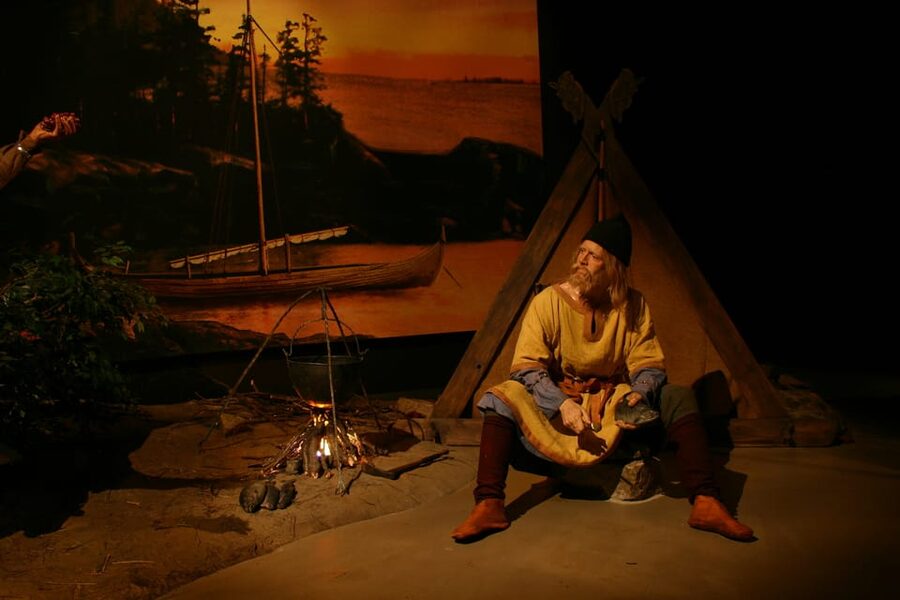
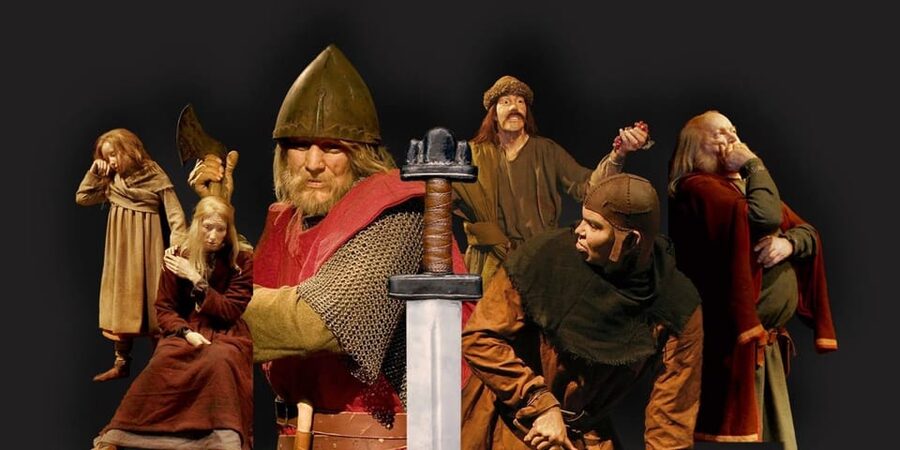
Vikings come to life in Reykjavik. The Saga Museum turns Iceland’s early history into a 35-minute audio-guided walk through 20 lifelike wax scenes, covering the first settlers, Leif the Lucky, the Icelandic Parliament, the Saga Age, civil war, and the Reformation. I like the realistic figures and the way the audio narration gives each scene a clear place in Iceland’s story. I also like the chance to dress up with Viking clothing and weapons at the end.
The museum is small, and $33 is a serious price for a short indoor attraction. You may also spend time waiting for the next audio section, which can make the visit feel less smooth if the museum is busy. Still, it offers an easy, weatherproof way to connect names and events from Iceland’s past with faces, clothing, and settings you can see.
In This Review
- Key points at a glance
- Entering the white building at Grandagarður 2
- How the 20-scene audio route works
- Meeting the Papar and Iceland’s first settlers
- Leif the Lucky, America, and the Icelandic Parliament
- The Saga Age and Iceland’s civil war
- The Reformation and Iceland’s last Catholic bishop
- The Viking costume area is part of the fun
- Is $33 a fair price for a 35-minute museum?
- Who should book the Saga Museum?
- My verdict on the Reykjavik Saga Museum
- FAQ
- Where is the Saga Museum located?
- How long does the museum visit take?
- What does the ticket cost?
- How many exhibits are included?
- Which languages are available for the audio guide?
- Is a written guide available?
- Can I dress up as a Viking?
- Is the museum suitable for young children?
- Is the museum wheelchair accessible?
- Are parking and lockers included?
Key points at a glance
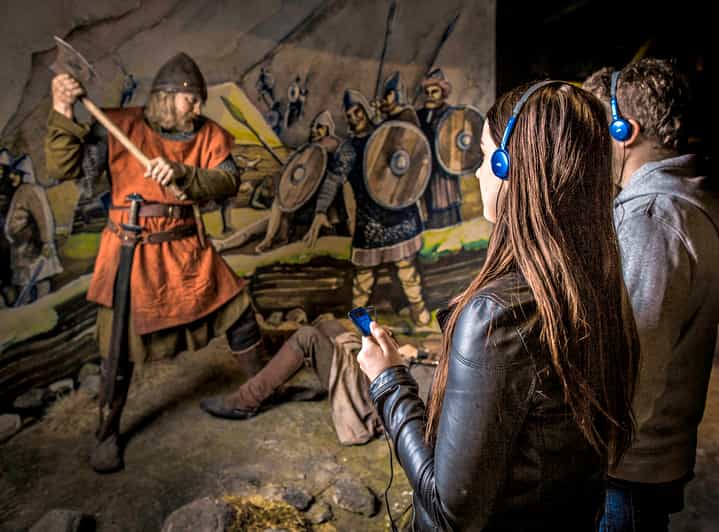
- Twenty wax scenes: Follow Iceland’s story through carefully staged moments from settlement to the Reformation.
- A 35-minute audio tour: Hear the story through headsets in English, French, German, Icelandic, Russian, Spanish, or Swedish.
- The Papar and Reykjavik: Begin with the early Christian visitors and the Vikings who settled the island and gave Reykjavik its name.
- Leif the Lucky and Parliament: Learn about the Norse exploration of America and the founding of Iceland’s Parliament.
- Viking dress-up area: Finish the museum visit by trying authentic clothing and handling authentic-looking weapons.
- Useful city-center stop: The museum has parking, lockers, and wheelchair access, though pickup and food are not included.
Entering the white building at Grandagarður 2
The Saga Museum sits at Grandagarður 2 in Reykjavik’s Capital Region. Look for the statue of a Viking on horseback in front of the white building. The museum shares an entrance with the restaurant Matur og Drykkur, so the restaurant name is useful if you are checking that you are in the right place.
This location makes the museum easy to add to a day in Reykjavik. You do not need to set aside a full day for the actual visit. The ticket remains valid for one day after first activation, but the main audio route itself lasts about 35 minutes.
That short length is both a strength and a weakness. I like it as a compact stop between other plans, especially on a cold or rainy day. You get a focused story without giving up half your afternoon. At the same time, you should not expect a large museum with hours of galleries.
Parking and lockers are included. Those details matter in Reykjavik, where you may be carrying coats, day bags, or other gear. The museum is wheelchair accessible, making it a practical choice for many people who want a historical attraction without a long outdoor route.
More museums in Reykjavik:
- Reykjavik: Perlan Museum Wonders of Iceland Entrance Ticket
★ 4.7 · 2,575 reviews - Reykjavík: Hop-On Hop-Off Bus and Perlan Museum Entry Ticket
★ 4.3 · 719 reviews - Reykjavik: Whales of Iceland Museum Entrance Ticket
★ 4.4 · 493 reviews
How the 20-scene audio route works
The visit is built around 20 exhibits. Each one presents an important moment or theme from the Icelandic sagas and the island’s early history. Instead of reading long panels, you listen through a headset while looking at the figures and settings in front of you.
The audio guide is available in seven languages: English, French, German, Icelandic, Russian, Spanish, and Swedish. A text guide is available in Polish and Italian. That is a useful spread for a small museum, and it lets you follow the story in a language that feels comfortable.
The audio lasts around 35 minutes, but allow extra time for moving through the displays and trying the costume area. The route may not flow at exactly the same speed for everyone. One practical issue is that you can end up waiting for the next step in the narration, particularly if several people are moving through the museum together.
I would treat the audio as the backbone of the visit rather than a reason to rush. Look closely at the figures, clothing, tools, and weapons while the narration plays. The museum’s appeal comes from combining sound with staged scenes, not from listening with your eyes on the clock.
Meeting the Papar and Iceland’s first settlers
The story begins with the earliest people connected with Iceland, including the Papar. These early Christian visitors are part of the island’s pre-settlement story, before the main wave of Norse settlers arrived.
You then move to the first Vikings who settled Iceland. The narration connects this settlement period with the naming of Reykjavik, giving the capital a direct link to the opening chapter of the museum’s story. This helps you see Reykjavik as more than a modern base for sightseeing. Its name and identity reach back to the first Norse communities on the island.
The wax figures help put human scale on a subject that can otherwise feel distant. Dates and names are easy to lose, especially when you are trying to understand a country’s past in a short visit. A face, a piece of clothing, or a staged gathering gives the narration something concrete to hold onto.
I especially like this beginning because it sets up the main question behind Icelandic history: how did people build a society in such a remote place? The museum does not only present Vikings as raiders. It also shows the settlers as people creating homes, laws, leadership, and a shared culture.
Leif the Lucky, America, and the Icelandic Parliament
The route then moves to Leif the Lucky and the Norse discovery of America. This section gives you one of the museum’s most famous historical links. It also places Iceland within a wider North Atlantic world, connected to exploration and travel far beyond the island.
The display is valuable because it makes the Icelandic sagas feel larger than local family stories. The people remembered in these accounts were part of a culture that moved across the sea. You get a sense of how Iceland’s isolated position did not prevent its settlers from maintaining links with other Norse communities.
Next comes the founding of the Parliament. This is an important change in the story. The museum moves from settlement and exploration to the creation of a political society with rules and institutions.
I find this one of the strongest parts of the route because it shows that Icelandic history is not only about dramatic voyages. It is also about people trying to manage disputes and organize community life. If you know little about Iceland before arriving, this section gives useful context for the country’s long political tradition.
The scenes are not a substitute for a full history course. They give you an introduction, with the audio explaining why each event matters. If you want precise dates, lengthy debate, or a large collection of original objects, this will feel limited. If you want a clear narrative before exploring more of Iceland, it works well.
Worth a second look around Reykjavik
- Reykjavik: Golden Circle Full-Day Tour with Kerid Crater
★ 4.8 · 24,485 reviews - Reykjavik Food Walk – Local Foodie Adventure in Iceland
★ 5.0 · 18,952 reviews - Iceland: Northern Lights Bus Tour from Reykjavik
★ 4.1 · 11,161 reviews - Reykjavík: South Coast Waterfalls, Black Sand & Glacier Tour
★ 4.8 · 11,030 reviews
The Saga Age and Iceland’s civil war
The middle part of the museum reaches the Saga Age, when many of the stories were written down. These sagas are central to Icelandic culture, and the museum uses staged figures to connect the written accounts with the people and conflicts behind them.
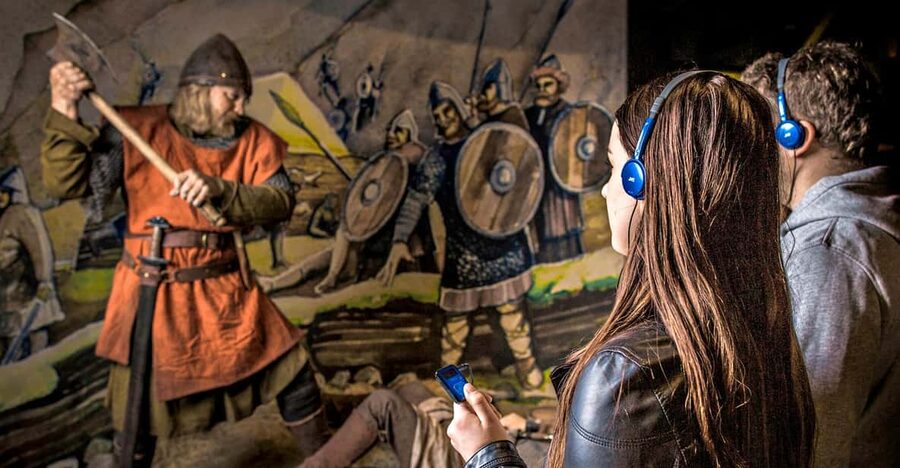
This is where the visit takes on a darker tone. You also learn about the civil war in Iceland, a period of internal conflict that shows how fragile the island’s political order could become. The scenes may be unsettling for young children because the museum deals with violence and serious historical events.
The museum itself warns that it may not suit sensitive children. Children under four are not considered suitable for the experience. I would take that guidance seriously, particularly if your family prefers light, playful attractions.
Older children and teenagers may find the combination of storytelling, costumes, and realistic figures more engaging than a room of text panels. You can explain the difficult parts as you go, but the wax scenes are designed to look lifelike. That realism is a major reason the museum receives praise, and also the reason some families may want to skip it.
The civil war section gives the broader story some tension. Icelandic history was not a smooth tale of settlement followed by peaceful progress. The museum shows political pressure, personal conflict, and the cost of power. You do not need prior knowledge to follow the basic thread.
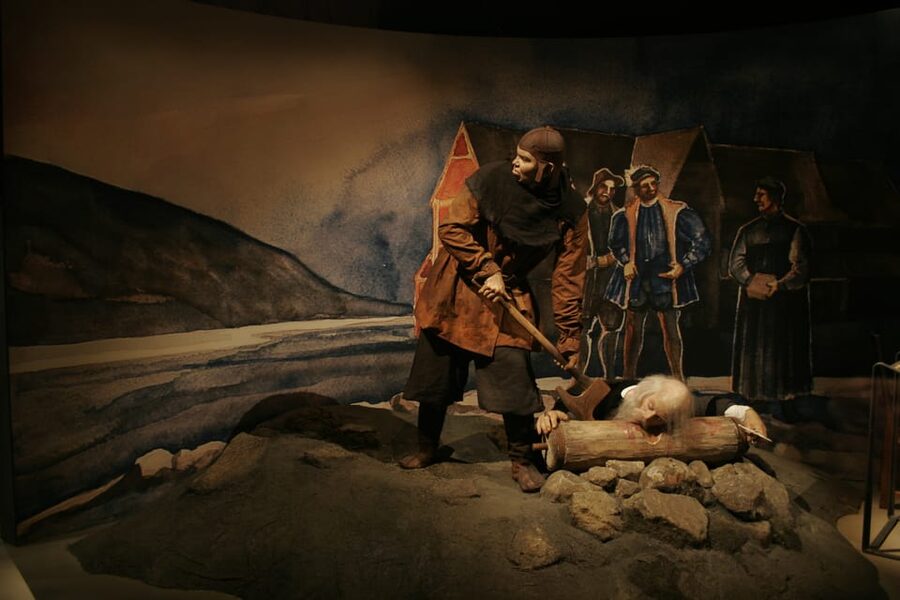
The Reformation and Iceland’s last Catholic bishop
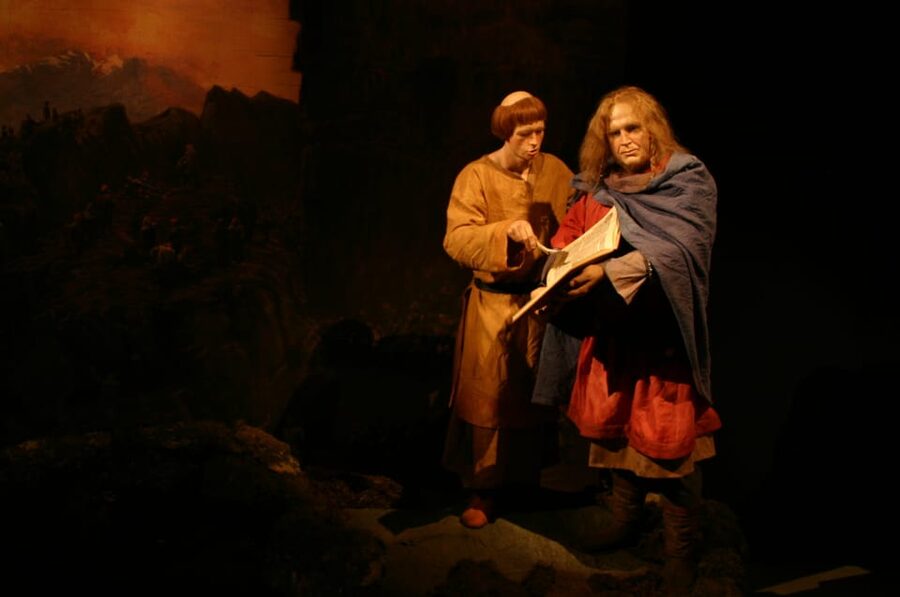
The final historical sections bring you toward the Reformation and the story of Iceland’s last Catholic bishop. This gives the route a clear ending, moving from the island’s early settlers through political change and into a major religious turning point.
The subject may be unfamiliar if your knowledge of Iceland begins with volcanoes, waterfalls, and modern Reykjavik. That is part of the museum’s value. It reminds you that Iceland’s past includes major changes in religion, authority, and daily life, not only the Viking period.
By ending with the Reformation, the museum gives the audio route a useful shape. You begin with people arriving on the island, follow the creation and testing of a society, and finish with a transformation in religious life. The presentation is compact, but the timeline is broad.
The waxwork scenes are most useful here as visual prompts. You may not remember every name after leaving, but you are likely to remember the sequence of events and the human figures attached to it. For a short museum visit, that is a sensible goal.
The Viking costume area is part of the fun
After the serious historical sections, you can try Viking clothing and handle authentic weapons in the costume area. This changes the mood and gives you something active to do after listening to the audio.
I like this feature because it works for adults as well as children. Many historical museums ask you to look but not touch. Here, the costume area lets you play with the image of the Viking age and take a more personal souvenir of the visit.
Keep your expectations sensible. This is a dress-up area, not a reenactment course. The attraction provides the clothing and weapons, but the information does not describe a guided lesson or a longer hands-on program.
Still, it is a welcome finish. The audio route asks you to concentrate, and the costume area lets you relax. You can leave with a better sense of the period’s appearance and a few entertaining photographs, while still keeping the historical part of the visit at the center.
Is $33 a fair price for a 35-minute museum?
The entry price is $33 per person. For a small museum with a roughly 35-minute audio route, that is expensive by the standards of many European city attractions. The cost is also high compared with what some people expect from a compact wax museum.
The value depends on how you use it. I would consider it a fairer purchase if you want a short, organized introduction to Icelandic history, need an indoor activity, or have a particular interest in the sagas and Viking culture. Parking, lockers, the audio guide, and the costume area add practical value.
I would think twice if you are mainly looking for a large collection, original archaeological objects, or a full-day historical attraction. One direct assessment described the museum as nice but very small and not especially interesting. That reaction makes sense if you prefer traditional museums with many artifacts and detailed displays.
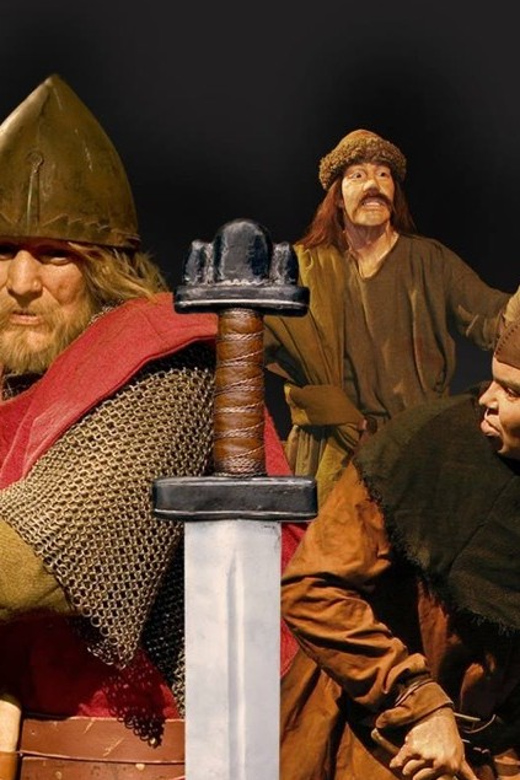
The museum’s best feature is its presentation. The figures are highly lifelike, and the story is easy to follow. Its weakest point is scale. You are paying for a carefully staged short experience, not for a vast building filled with exhibits.
Who should book the Saga Museum?
I would recommend it most strongly to people who want a simple introduction to Iceland’s past. It suits first-time visitors who recognize names such as Leif the Lucky but want the surrounding story explained. It also suits anyone who likes wax figures, audio storytelling, and historical scenes rather than long written descriptions.
Families with older children may enjoy the costume area and the visual presentation. Families with very young or sensitive children should choose carefully because of the realistic figures and difficult subjects. Children under four are not suitable for the attraction.
It is also a good rainy-day option. Reykjavik weather can change quickly, and this visit gives you a dry place to spend part of the day without needing a complicated trip outside the capital. Wheelchair access makes it practical for many people who need an accessible indoor activity.
I would be less enthusiastic for a serious history specialist seeking original objects or extended interpretation. The museum tells a broad story, but it does so quickly. You may leave wanting more detail, which is either a sign that it succeeded as an introduction or a sign that you need a larger museum afterward.
Booking is flexible. You can cancel up to 24 hours before the visit for a full refund, and you can reserve now while paying later. Those options are useful if your Reykjavik schedule depends on weather or changing day plans.
My verdict on the Reykjavik Saga Museum
The Saga Museum offers a clear, visual, and often entertaining way to meet Iceland’s early settlers and the people of the sagas. I like the lifelike wax scenes, the well-structured audio story, the wide choice of languages, and the final chance to dress as a Viking.
The main caution is price. At $33, the museum needs to match your interests. You should book it if a short historical introduction, realistic scenes, and a bit of costume fun sound worthwhile. Skip it if you want a large museum, original artifacts, or the best value for a long afternoon.
FAQ
Where is the Saga Museum located?
The museum is at Grandagarður 2 in Reykjavik’s Capital Region. Look for the Viking statue on horseback in front of the white building.
How long does the museum visit take?
The audio-guided tour lasts about 35 minutes. You may need additional time for the exhibits and Viking costume area.
What does the ticket cost?
The listed price is $33 per person.
How many exhibits are included?
The museum has 20 exhibits covering key moments from the Icelandic sagas and Icelandic history.
Which languages are available for the audio guide?
Audio guides are available in English, French, German, Icelandic, Russian, Spanish, and Swedish.
Is a written guide available?
Text guides are available in Polish and Italian.
Can I dress up as a Viking?
Yes. After the historical portion, you can use the costume area and dress in Viking clothing with authentic weapons.
Is the museum suitable for young children?
Children under four are not considered suitable. The museum may also be unsuitable for sensitive children because some figures and historical scenes are realistic.
Is the museum wheelchair accessible?
Yes, the museum is wheelchair accessible.
Are parking and lockers included?
Yes. Parking and lockers are included with the experience. Food, drinks, pickup, and drop-off are not included.
Added around Reykjavik recently
- Reykjavik: Whale and Puffin Watching RIB Boat Tour★ 4.6 · 179 reviews
- Reykjavik: Whale Watching & Lava Show★ 5.0 · 4 reviews
- Reykjavik: Whale & Marine Adventure Tour★ 4.3 · 71 reviews
- Reykjavik: Whale Watching Express★ 4.3 · 227 reviews
- From Reykjavík: Viking Horseback Tour in Hafnarfjörður★ 4.9 · 112 reviews
- Reykjavík: Horse Riding Tours★ 4.9 · 127 reviews
- Day Trip to Snæfellsness Peninsula from Reykjavik★ 5.0 · 7 reviews
- Private Luxury Transfer from Reykjavik to Blue Lagoon★ 5.0 · 1 review
Museums, compared.
Perlan Museum Wonders of Iceland Entrance Ticket
Read our review →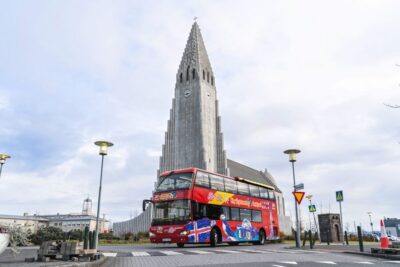
Hop-On Hop-Off Bus and Perlan Museum Entry Ticket
Read our review →

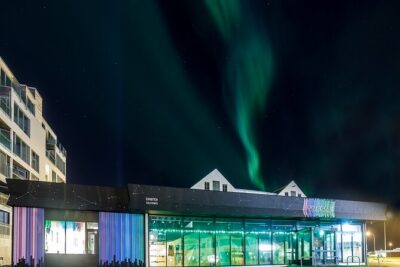
Aurora Reykjavík, The Northern Lights Center Museum Visit
Read our review →
Ancient Historical Site Tour at the Caves of Hella
Read our review →
Browse the lists this tour appears in