
Review · MUSEUMS
Saga Museum – Entrance ticket
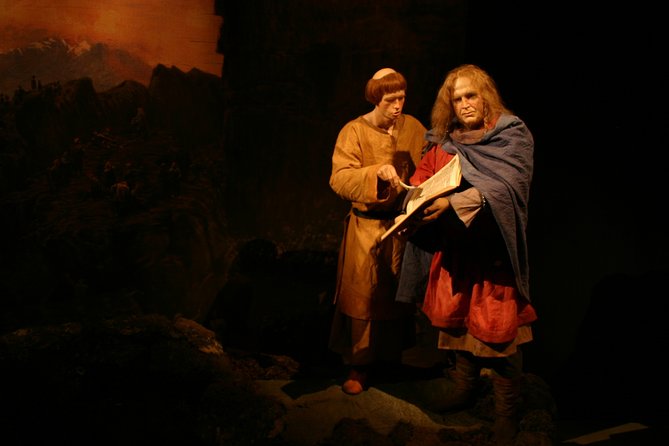
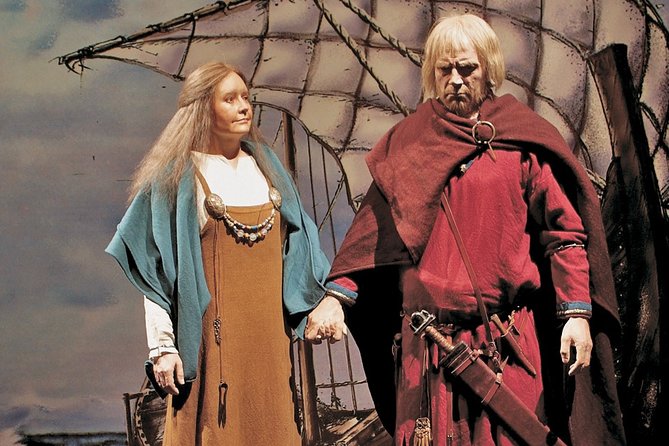
Viking stories get very visual here. The Saga Museum turns Iceland’s early history into a walk through 20 lifelike scenes, with figures such as Leif Eiriksson, Snorri Sturlusson, and Ingolfur Arnarson placed at the center. I like the clear audio guide and the chance to handle the subject in a playful way, including Viking clothing, weapons, and armor.
The main drawback is size. You can see the museum in 30 to 45 minutes at a brisk pace, even though you should allow up to two hours if you listen closely and stop for photos. The displays are impressive, but this is a compact wax-figure museum, not a large institution filled with original artifacts or high-tech effects.
In This Review
- Key points to know before you go
- Walking into Iceland’s saga world
- Twenty scenes, from settlers to the Black Death
- Using the audio guide at your own speed
- Trying on Viking clothes and armor
- How long the visit really takes
- Is $32 a fair price?
- Who will enjoy this museum most?
- Practical planning for your Reykjavik day
- Final call: book it for a focused history stop
- FAQ
- Where is the Saga Museum located?
- What are the museum’s opening hours?
- How long does the Saga Museum visit take?
- Is an audio guide included?
- Can children enter the museum?
- Does the ticket include transportation?
Key points to know before you go
- Lifelike figures tell the story: The realistic mannequins and carefully staged scenes make Iceland’s early stories easy to picture.
- Audio tours suit independent visits: Choose English, Icelandic, French, German, Russian, Spanish, or Swedish.
- Leif Eiriksson and Snorri Sturlusson appear: The museum connects famous names with the wider story of Iceland’s settlement and culture.
- Viking dress-up adds fun: You can try Viking clothing, weapons, and armor, making this a good stop for families.
- Plan for a short old-harbour visit: The museum is open daily from 10 a.m. to 5 p.m. and usually takes less than an hour at a quick pace.
- The value depends on your interests: At $32 per person, it works best if you want an accessible introduction to Icelandic history rather than a major museum collection.
Walking into Iceland’s saga world
The Saga Museum sits in Reykjavik’s old harbour area, a handy setting for a museum about Iceland’s seafaring settlers and medieval stories. You do not need a full day here. The visit is built as a single self-guided route through staged scenes, so you can fit it between harbour stops, downtown sightseeing, or a meal.
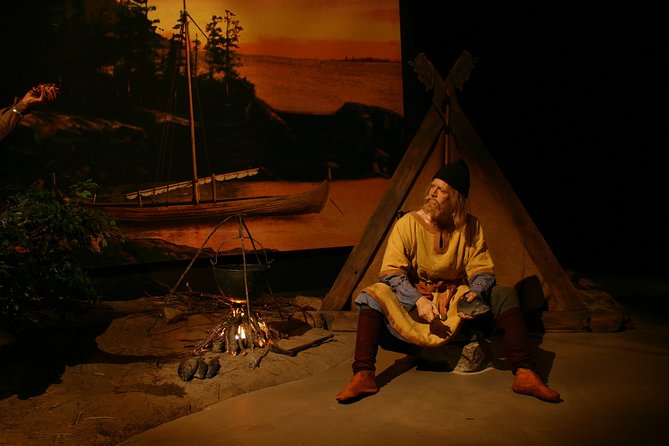
The museum’s central idea is simple: bring the people and events of the Icelandic sagas into view. Instead of asking you to absorb a wall of dates, it places life-size figures in scenes that show important moments and characters. The approach feels a bit like a historical wax museum, but the subject is specifically Icelandic.
That makes the museum useful early in a Reykjavik stay. If names such as Leif the Lucky, Snorri Sturlusson, and Ingolfur Arnarson are still unfamiliar, the displays give you a basic framework. You begin to see how settlement, family rivalries, voyages, religion, and survival shaped the country’s identity.
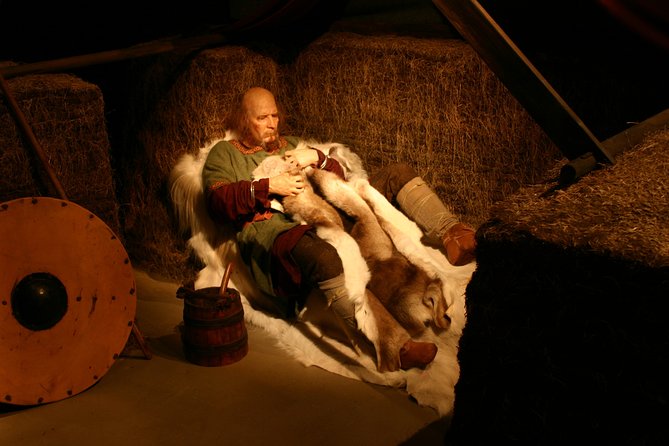
The figures are the big draw. Their eyes and facial details are made to look unusually lifelike, and the careful staging helps the stories register. The effect may be slightly eerie at first. Younger children can find some of the figures startling, especially when seen in dim or dramatic scenes, so keep that in mind if your family prefers bright, modern museums.
More museums in Reykjavik:
- Reykjavik: Perlan Museum Wonders of Iceland Entrance Ticket
★ 4.7 · 2,575 reviews - Reykjavík: Hop-On Hop-Off Bus and Perlan Museum Entry Ticket
★ 4.3 · 719 reviews - Reykjavik: Whales of Iceland Museum Entrance Ticket
★ 4.4 · 493 reviews
Twenty scenes, from settlers to the Black Death
The museum currently presents 20 exhibits. Each scene focuses on a person, episode, or theme connected to Iceland’s past, including well-known figures from the sagas.
Leif Eiriksson, also known as Leif the Lucky, is one of the names you will encounter. His place in the story gives the museum a useful link between Iceland, the wider Viking world, and the famous voyages across the North Atlantic. The display is not simply about battles and ships. It also points you toward the people and decisions behind those journeys.
Snorri Sturlusson offers a different angle. He was a major Icelandic poet and writer, so his presence reminds you that Iceland’s legacy is not only about raiding or exploration. The sagas and poetry preserved stories, family memories, beliefs, and political tensions that still shape how Iceland presents its past.
Ingolfur Arnarson is included as one of the early settlers associated with Iceland’s founding story. His appearance helps connect the grand Viking image with the hard practical question of building a life on a remote island. The museum’s strength is this human scale. You are not just reading that people settled Iceland. You see figures placed in scenes meant to show what those lives may have involved.
The Black Death section adds a darker chapter. The museum explains the pandemic as one of the most devastating events in human history, with estimates of 75 to 200 million deaths. That broad range shows how uncertain medieval population records can be, but the point is clear: Iceland was not isolated from the major shocks affecting Europe.
This part may feel heavy beside the Viking dress-up area, yet it gives the story needed balance. Iceland’s past was not a parade of heroic explorers. Disease, hardship, loss, and fear were part of daily life too.
The displays use static figures rather than moving technology. That is both their charm and their limit. The artists have created memorable scenes with strong visual detail, but you should not expect interactive screens, virtual reality, or a large collection of physical artifacts.
Using the audio guide at your own speed
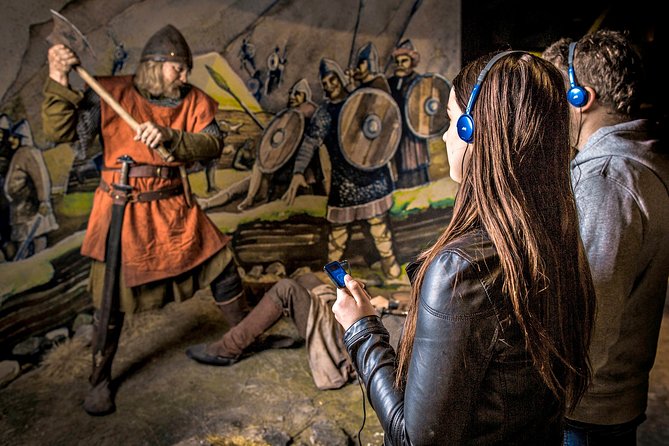
Your admission includes an audio guide, which is important because the figures alone cannot explain the full story. You listen as you move from one display to the next, with language choices including English, Icelandic, French, German, Russian, Spanish, and Swedish.
English-speaking visitors get a straightforward way to follow the scenes without joining a scheduled group. You can pause, look closely, and move on when you are ready. That freedom suits a small museum, especially if different members of your group want different amounts of detail.
The audio program is described as taking about 30 minutes. That is a useful planning figure, but it does not include time spent studying the figures, taking photographs, or trying on Viking gear. I would set aside 45 minutes for a normal visit and keep the full one to two hours available if you enjoy listening carefully.
You can also buy the audio information as a booklet at the front desk. That option may work better if you dislike headsets, want to read at your own pace, or are visiting with a child who will not stay focused on spoken commentary.
The language range is a real advantage for mixed groups. If one person prefers Swedish and another wants English, you can choose separately rather than relying on one shared guide. The museum is designed for individual pacing rather than a formal guide-led tour.
Trying on Viking clothes and armor
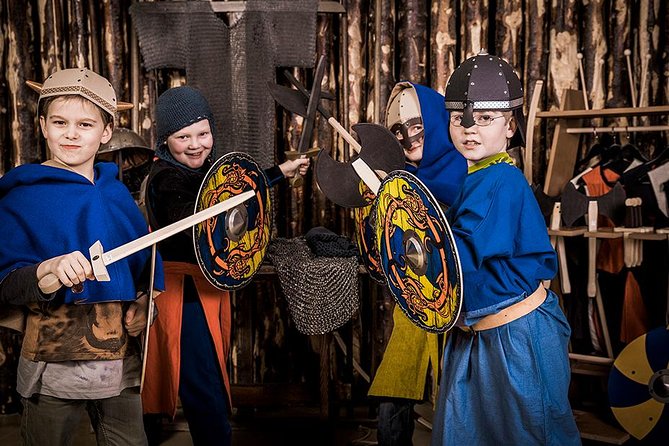
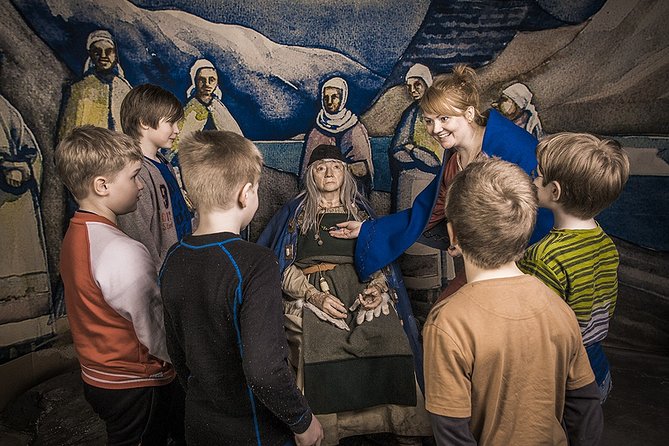
The dress-up opportunity gives the museum a lighter side. You can try Viking clothing and handle or examine Viking weapons and armor. For families, this may be the part that turns a history stop into an actual event.
It also helps younger children connect with what they are seeing. A child may not remember every name from the audio guide, but trying on Viking gear can make the period feel less distant. The activity is a useful break from listening and looking at static displays.
The museum’s tone is not purely serious. A bonus exhibit adds a little humor, which keeps the visit from feeling like a school lesson. That mix works well for parents who want some history without asking children to stand quietly in front of display cases for two hours.
Still, keep expectations sensible. This is not a full reenactment or a live performance. The clothing and armor provide a short hands-on element within a museum built mainly around mannequins and audio commentary.
Worth a second look around Reykjavik
- Reykjavik: Golden Circle Full-Day Tour with Kerid Crater
★ 4.8 · 24,485 reviews - Reykjavik Food Walk – Local Foodie Adventure in Iceland
★ 5.0 · 18,952 reviews - Iceland: Northern Lights Bus Tour from Reykjavik
★ 4.1 · 11,161 reviews - Reykjavík: South Coast Waterfalls, Black Sand & Glacier Tour
★ 4.8 · 11,030 reviews
How long the visit really takes
The stated duration is one to two hours, but your pace will matter more than the clock. If you listen to the main audio material and move steadily, you may finish in roughly 30 to 45 minutes. If you stop at every scene, read the booklet, pose for pictures, and spend time with the Viking equipment, the visit can stretch longer.
That flexibility makes the museum easy to add to a busy Reykjavik day. You do not have to plan an entire afternoon around it. It can work as a morning stop before lunch, a rainy-day activity, or a short cultural break after walking around the harbour.
The daily hours are 10 a.m. to 5 p.m. The museum is open Monday through Sunday, so you have plenty of scheduling options. Arriving with enough time before closing matters if you want to use the audio guide rather than rush through the final scenes.
The maximum group size is listed as 50 people, but the experience is self-guided. A smaller crowd will make it easier to stand near each display and hear the audio clearly. If the museum feels busy, you can move at a different pace from your group and avoid bunching up around the most popular figures.
Is $32 a fair price?
At $32 per person, the ticket is not cheap for a visit that may take less than an hour. The price includes admission, the audio guide, taxes, fees, and handling charges. Children under six enter free, which helps families with very young children.
I see the value in the presentation rather than the length. The lifelike figures are the museum’s main investment, and they give you a quick visual introduction to Icelandic history. If you are curious about the sagas but do not want to read a long historical account, the audio and scenes offer an efficient starting point.
The ticket is less convincing if you are looking for rare objects, archaeological finds, or a large national collection. The museum relies on replicas, dioramas, and storytelling. One improvement some people would like is more modern technology, such as virtual or three-dimensional material, along with more original artifacts.
For a family, the value improves because the dress-up area gives children something active to do. For a history-minded adult, the audio guide and the connections between famous figures may justify the cost. For someone already familiar with Iceland’s sagas, the visual presentation may feel brief.
You also get free parking, and the museum is near public transportation. Transportation to and from the museum is not included, so you need to make your own way there. Since it is in the old harbour area, it is easiest to pair with other Reykjavik plans rather than treat it as a separate day trip.
Who will enjoy this museum most?
I would recommend the Saga Museum to families, first-time Iceland visitors, and anyone who wants a plain-language introduction to the country’s early history. It is especially useful if you know the Viking image but want to understand the people and stories behind it.
Children who enjoy costumes, dramatic figures, or hands-on objects should get the most from the visit. The realistic mannequins can be a little spooky, though, so younger children may need reassurance.
The museum also suits independent sightseers. You do not have to follow a guide or keep to a fixed departure time. You can choose your audio language, pick up the booklet if preferred, and leave once you have seen enough.
I would be more cautious if you want a large, modern museum. The displays are static, the visit is compact, and the emphasis is on atmosphere and storytelling. You may find the presentation old-fashioned compared with newer attractions that use projection, virtual reality, or interactive maps.
Practical planning for your Reykjavik day
Book ahead if you want the flexibility of a mobile ticket. The experience is often booked well in advance, with an average lead time of about 37 days, though the museum is open daily and the visit itself is easy to fit into a schedule.
Confirmation arrives at booking, and most people can take part. Free parking is included, and public transportation is nearby. You are responsible for getting to the old harbour, since transportation is not part of the ticket.
The cancellation rule is simple but strict near the visit. You can receive a full refund if you cancel at least 24 hours before the start time. Cancellations or changes made less than 24 hours ahead are not accepted for a refund, and the cut-off uses local Icelandic time.
I would place the museum on a day when you already plan to be near the harbour. Give yourself enough time to hear the audio, and do not schedule it at 4:45 p.m. if you want a relaxed visit. The museum closes at 5 p.m.
Final call: book it for a focused history stop
Book the Saga Museum if you want a short, visual, family-friendly introduction to Iceland’s Viking and saga past. The most praised features are the lifelike figures, clear audio presentation, kind staff, and the way the scenes make old stories easier to picture.
Skip it if you expect original artifacts, a large collection, or cutting-edge technology. At $32, the ticket makes the most sense when you value the vivid figures, the multilingual audio, and the easy old-harbour location. For most first visits to Reykjavik, I would consider it a worthwhile brief stop, especially with children or anyone curious about how Iceland earned its fierce reputation.
FAQ
Where is the Saga Museum located?
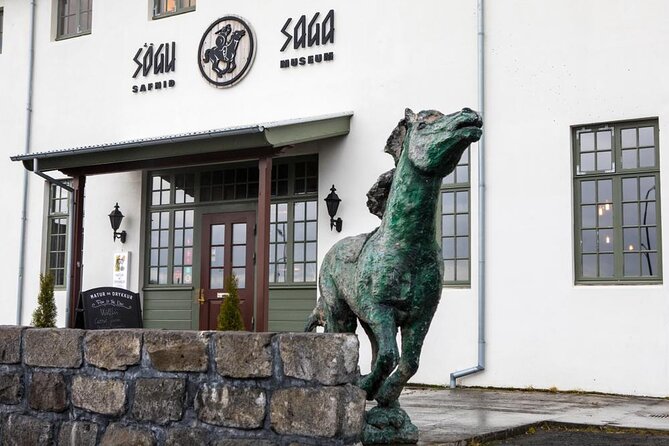
The Saga Museum is in Reykjavik’s old harbour area.
What are the museum’s opening hours?
It is open every day from 10 a.m. to 5 p.m.
How long does the Saga Museum visit take?
The estimated duration is one to two hours. The audio portion takes about 30 minutes, and a brisk visit may take roughly 45 minutes.
Is an audio guide included?
Yes. Admission includes an audio guide. Languages include Icelandic, English, French, German, Russian, Spanish, and Swedish.
Can children enter the museum?
Yes. The museum is family-friendly, and children under six enter free. Children can also dress up in Viking clothing and try Viking weapons and armor.
Does the ticket include transportation?
No. Transportation to and from the museum is not included. Free parking is included, and the museum is near public transportation.
Added around Reykjavik recently
- Reykjavik: Whale and Puffin Watching RIB Boat Tour★ 4.6 · 179 reviews
- Reykjavik: Whale Watching & Lava Show★ 5.0 · 4 reviews
- Reykjavik: Whale & Marine Adventure Tour★ 4.3 · 71 reviews
- Reykjavik: Whale Watching Express★ 4.3 · 227 reviews
- From Reykjavík: Viking Horseback Tour in Hafnarfjörður★ 4.9 · 112 reviews
- Reykjavík: Horse Riding Tours★ 4.9 · 127 reviews
- Day Trip to Snæfellsness Peninsula from Reykjavik★ 5.0 · 7 reviews
- Private Luxury Transfer from Reykjavik to Blue Lagoon★ 5.0 · 1 review
Museums, compared.
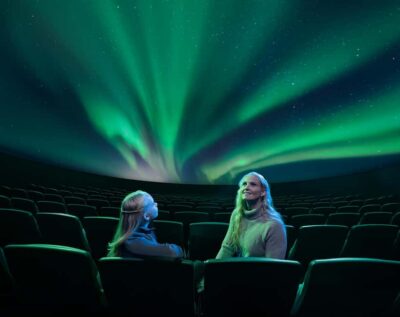
Perlan Museum Wonders of Iceland Entrance Ticket
Read our review →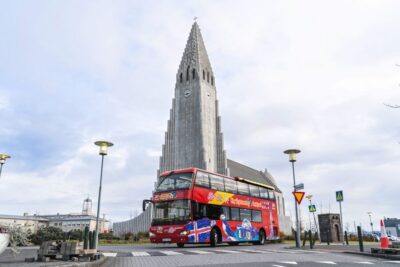
Hop-On Hop-Off Bus and Perlan Museum Entry Ticket
Read our review →

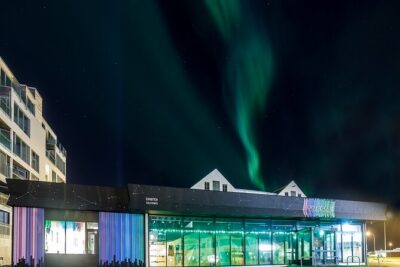
Aurora Reykjavík, The Northern Lights Center Museum Visit
Read our review →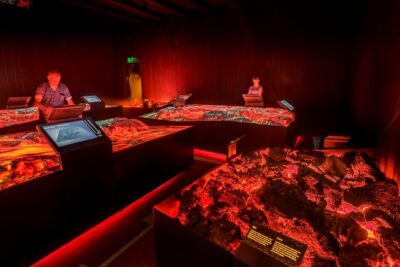
Ancient Historical Site Tour at the Caves of Hella
Read our review →
Browse the lists this tour appears in